
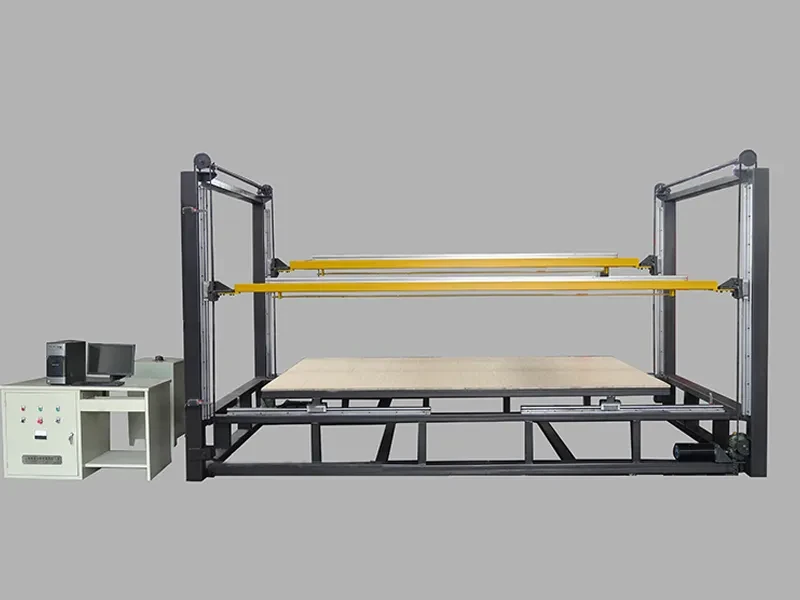
Injection molding and EPS foam shape molding are both molding processes, but they produce fundamentally different parts from different materials for different purposes. Injection molding forces molten solid thermoplastic (ABS, polypropylene, nylon, and similar resins) into a mold cavity under high pressure, producing dense, solid, precision parts — enclosures, structural components, connectors. EPS shape molding fuses pre-expanded polystyrene beads with low-pressure steam inside a mold, producing lightweight, cellular, cushioning parts — protective packaging inserts, insulation blocks, buoyancy and void-fill products. Buyers evaluating "injection molding" for a packaging or insulation application are often better served by EPS shape molding once weight, cushioning, and cost per cubic meter are compared directly. This guide breaks down where each process wins.
Material and process selection should account for applicable performance standards — cushioning and impact-absorption testing for packaging foam is commonly referenced against ASTM D1596, and production equipment for either process should come from an ISO 9001-certified manufacturer for repeatable tolerances.
Two Processes That Look Similar and Solve Different Problems
| Factor | Injection Molding | EPS Shape Molding |
|---|---|---|
| Raw material | Solid thermoplastic resin (ABS, PP, nylon, etc.), melted | Pre-expanded polystyrene beads, mostly air by volume |
| Process pressure | High — typically hundreds of bar of injection pressure | Low — steam pressure typically 0.8–1.2 bar for EPS |
| Part density | Solid, dense (near the resin's full material density) | Cellular, low density — typically 10–30 g/L for packaging grades |
| Part weight | Heavier per unit volume | Very light — a major advantage for shipping weight and handling |
| Cushioning / impact absorption | Minimal — solid plastic does not compress to absorb shock | High — the cellular structure is designed to compress and absorb impact |
| Dimensional precision | Very high — tight tolerances achievable | Moderate — adequate for packaging and insulation, not precision engineering tolerances |
| Typical applications | Enclosures, connectors, structural and functional plastic parts | Protective packaging inserts, insulation blocks, ICF, buoyancy products |
| Cost driver at volume | Resin cost dominates (solid material, more resin per part) | Low material cost per part (mostly expanded air), steam/energy cost dominates |
When Injection Molding Is the Right Call
If the part needs to be dense, dimensionally precise, and load-bearing under its own structural strength — a housing, a bracket, a functional mechanical component — injection molding is the correct process. Nothing about EPS shape molding substitutes for solid-plastic structural strength or tight tolerance requirements.
When EPS Shape Molding Is the Right Call
If the part's job is to protect something else from impact, insulate, or provide lightweight void-fill or buoyancy, EPS shape molding is almost always the more efficient choice. The two dominant reasons:
Weight
Because EPS parts are typically 95–98% air by volume, a shape-molded packaging insert or insulation block weighs a small fraction of an equivalent-size injection-molded solid part. For products shipped internationally, where freight cost is driven by weight and volume together, this is a direct cost advantage that compounds across every unit shipped.
Material Cost Per Part
Injection molding cost scales with the volume of solid resin required to fill the cavity. EPS shape molding uses a fraction of the raw material by weight for the same part volume, because the beads expand to fill the mold rather than being packed solid. For large-volume, low-precision-tolerance parts like packaging inserts and insulation blocks, this material efficiency is the primary reason EPS shape molding out-competes injection molding on cost per part.
What to Check When Sourcing an EPS Shape Molding Machine
For buyers moving from injection molding sourcing habits into EPS shape molding, a few specification differences matter:
- Platen size sets maximum part size and cavity count, the equivalent of injection molding's clamping tonnage and mold base size decision.
- Steam consumption and vacuum cooling replace injection molding's cooling-channel and cycle-time considerations — vacuum-cooling machines cut cycle time by roughly 30–50% versus water-only cooling.
- Bead pre-expansion and aging is an upstream process step with no equivalent in injection molding, where resin is melted and injected directly — EPS beads must be pre-expanded and rested in an aging silo (typically 4–24 hours) before molding.
Frequently Asked Questions
Is EPS foam molding cheaper than injection molding?
For large, low-tolerance parts like packaging inserts or insulation blocks, EPS shape molding is typically cheaper per part because material usage per unit volume is far lower and the process pressure requirements are far lower than injection molding. For small, dense, precision parts, injection molding remains the appropriate and typically more cost-effective process.
Can the same machine do both processes?
No. Injection molding machines and EPS shape molding machines are built around entirely different process mechanics — high-pressure melt injection versus low-pressure steam fusion of pre-expanded beads — and are not interchangeable equipment.
Why does EPS shape molding use so much less material?
EPS beads are pre-expanded before molding, so the finished part is mostly air trapped inside a cellular polystyrene structure — typically 95–98% air by volume for packaging-grade density. Injection molding uses solid, unexpanded resin, so the part is dense material throughout.