
Build Your EPP Raw Material Plant — Pressurized Polymerization Done Right
From PP resin + blowing agent to packed EPP beads — we deliver the full pressurized polymerization plant.
An EPP plant is a pressurized polymerization facility that turns PP resin and a blowing agent into expanded polypropylene (EPP) beads — the raw material for automotive, packaging and cold-chain foam parts.
Equipment + Design + Layout + ATEX Safety Compliance — one vendor, one fast path to certified production.
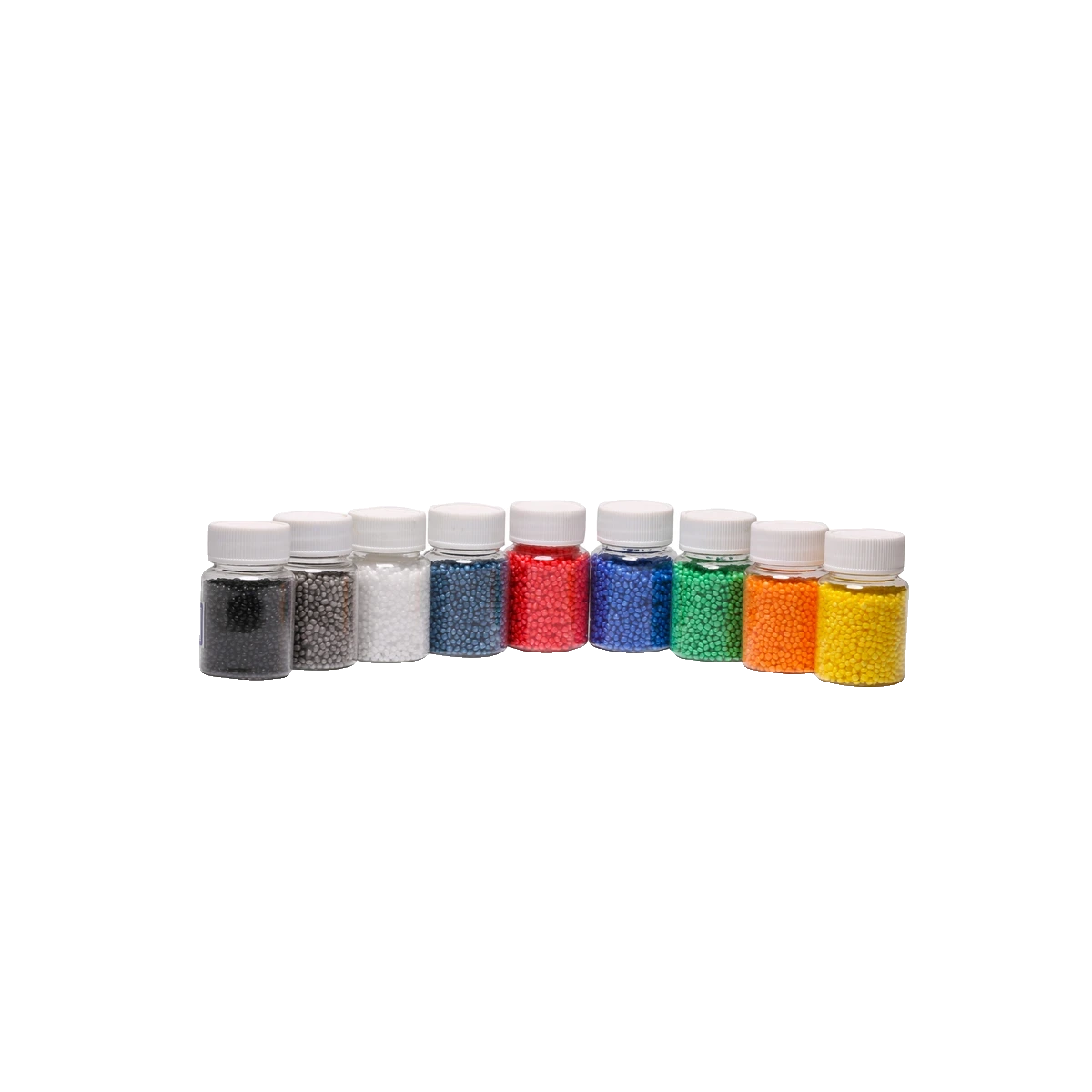
One-Stop EPP Raw Material Plant Setup
What We Provide
EPP is harder than EPS — pressure vessels + blowing-agent safety + tighter recipe control. We deliver the full safety-compliant package.
Plant Planning + Layout Design
Full EPP plant blueprint sized to your land + capacity + automation level. Pressurized reactor area + blowing-agent storage zoned per safety regulations.
EPP Production Equipment Supply
8 production sections supplied as one package — pressurized polymerization reactor, blowing-agent infusion, fine-particle sieving + post-treatment. One vendor end-to-end.
Installation + Commissioning Guidance
On-site engineers walk your team through pressure vessel install, blowing-agent piping safety, electrical, and first production batch.
Training + After-Sales Support
Operator training during commissioning + long-term technical support for grade recipe adjustment (low-density seat foam, high-strength bumper, etc.).
Who Is This Solution For?
EPP Demand Is Growing — Across 4 Buyer Profiles
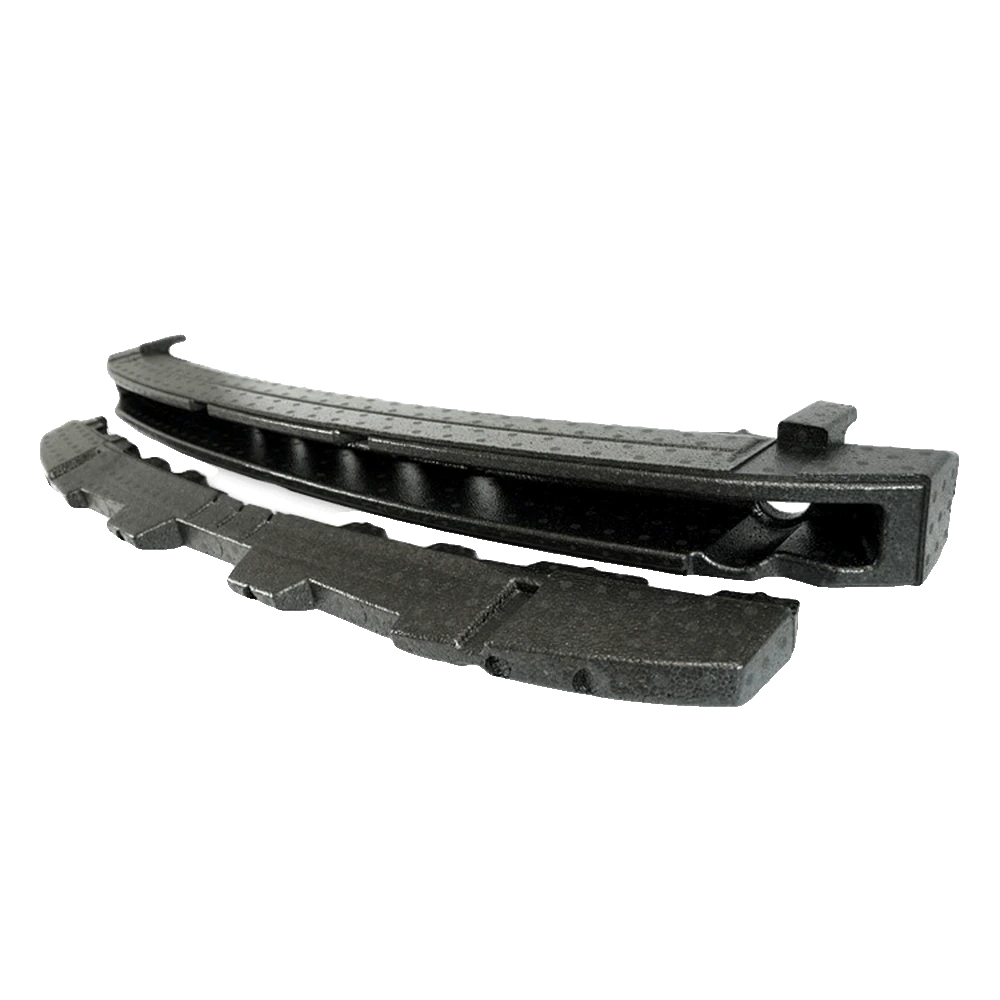
Automotive OEM Suppliers
Producing EPP bumper liners, seat backs, headrests, sun visors, child safety seats. Want to vertically integrate EPP bead supply for cost + reliability.
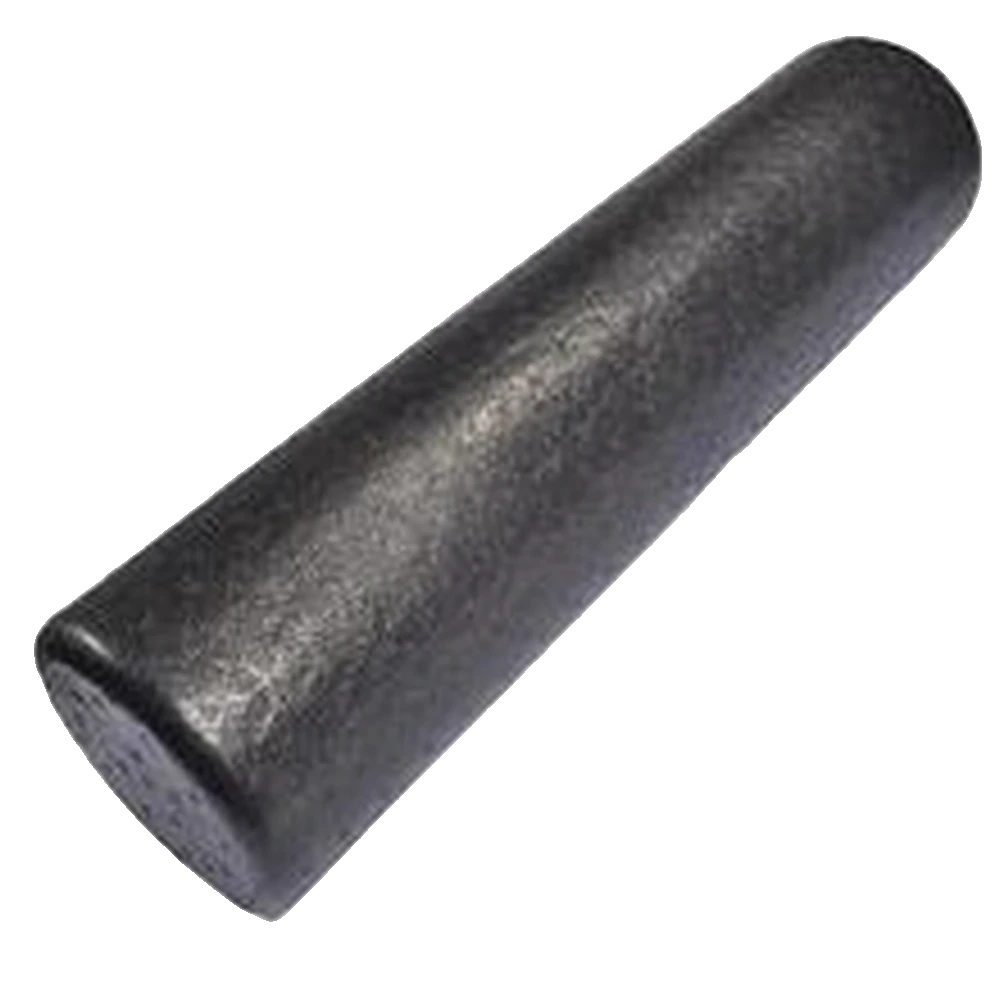
Toy + Sporting Goods Manufacturers
Yoga rollers, swim floats, foam blocks, toy models. EPP gives the resilience + safety that EPS cannot deliver for these applications.
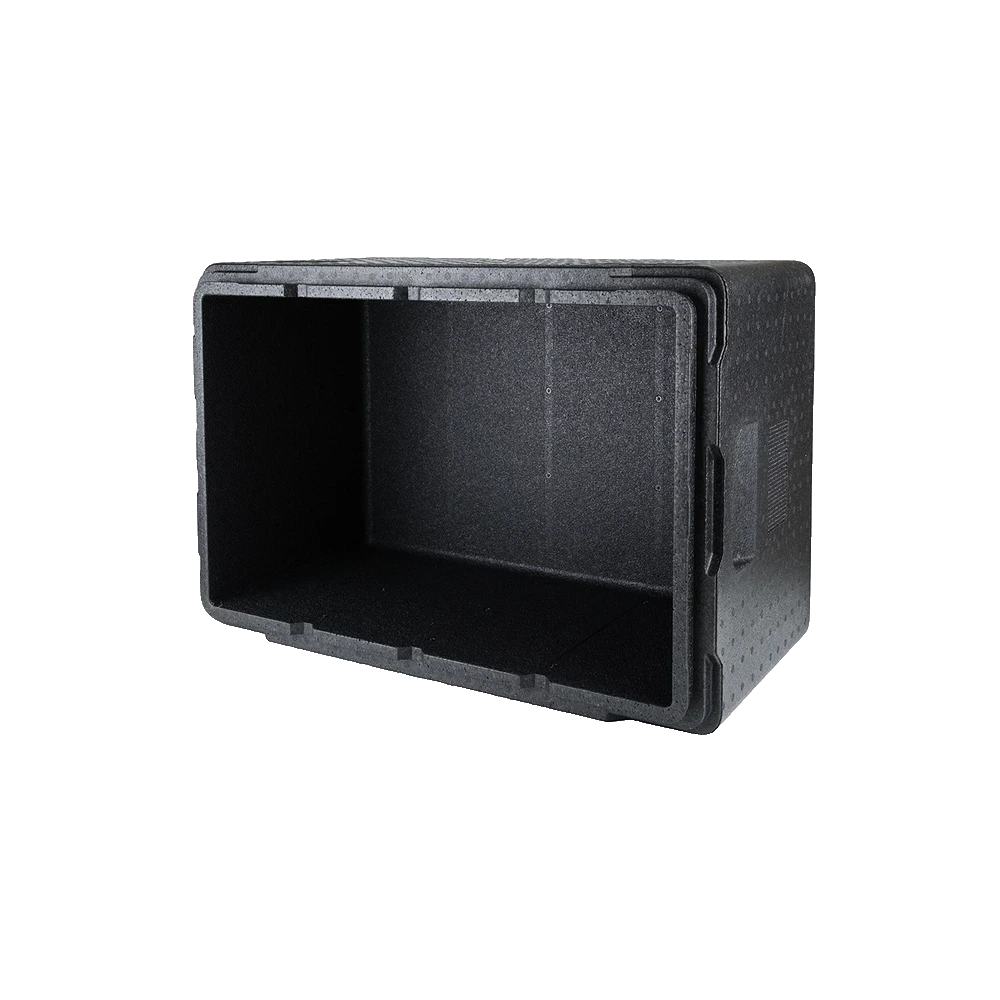
Cold Chain + Food Container Factories
EPP food-grade boxes, reusable cooler containers, pharmaceutical cold-chain packaging. Long service life + recyclability vs single-use EPS.

New Investors Entering EPP Industry
EPP is faster-growing than EPS in automotive + packaging. We help size capacity + select grades + build the plant from scratch.
Main Sections of an EPP Raw Material Plant
8 Production Sections We Engineer
Pressurized polymerization plant — every section sized + integrated for EPP grade stability + safety compliance.
PP Resin Storage
Polypropylene resin pellet silo + additive drum farm. Different PP grades (homopolymer / copolymer) stored separately for recipe flexibility.
Pressurized Polymerization Reactor
Pressure-rated reactor for EPP bead synthesis. PP impregnated with blowing agent (butane / pentane / CO2) under controlled pressure + temperature.
Blowing-Agent Loading System
Calibrated blowing-agent infusion with safety interlocks. Volume + ratio per bead density target (15-200 g/L range).
Cooling & Discharge
Controlled depressurization + cooling preserves bead cell structure. Pneumatic transfer to downstream classifying.
Fine-Particle Sieving
Multi-deck precision screens for EPP grades. Particle size 1.5-7 mm typical. Off-spec beads return to recycling stream.
Post-Treatment Coating
Antistatic + flow-promoter coating applied per end-product recipe (automotive OEM vs cold chain vs sport goods).
Aging & Pressurized Storage
EPP beads need controlled aging under pressurized silos to stabilize blowing-agent retention. PLC-routed by grade + density.
Packing & Labeling
Automatic 25 kg bag / 500 kg flexible IBC packing. Lot tracking + grade tagging per buyer batch traceability requirement.
Production Process
EPP Raw Material Production Process
From PP resin to packed beads — 9 stages, pressurized polymerization at the core.
How We Support Your Project
From First Call to First Certified Batch — 6 Steps
EPP plants need ASME / PED pressure vessel certification + ATEX safety review. We drive the timeline through every regulatory step.
Discover
Understand your EPP application (automotive / toys / cold chain), target grade range, daily capacity, and budget.
Propose
Preliminary plant layout + pressurized reactor sizing + blowing-agent compliance plan + budget estimate.
Confirm
Finalize technical configuration + commercial terms + delivery schedule + safety compliance documentation.
Manufacture & Deliver
In-house pressure vessel manufacture (5-7 months — longer than EPS due to ASME / PED certification) + sea freight + on-site delivery.
Install & Commission
On-site engineers guide pressure vessel install + safety piping + interlock testing + first batch production.
Train & Support
Operator training during startup + long-term EPP grade recipe + safety + technical support.
Customized According to Your Application
No Template Plant — Engineered Around Your EPP Use Case
Automotive vs toys vs cold chain demand different grades. Tap each to see how we customize the plant.
1 Target EPP Grades + Density Range See How We Do It Hide
How We Do It
Low-density 15-30 g/L (cold chain / packaging) / mid-density 40-80 g/L (automotive seating / toys) / high-density 100-200 g/L (bumper / structural). We tune reactor + blowing-agent recipe per your target grade mix.
2 Plant Capacity (3K-20K t/year) See How We Do It Hide
How We Do It
EPP plant capacity range is smaller than EPS — typical 3K-20K t/year. Automotive OEM supply needs 5K-15K. Toys + sport goods 3K-8K. We size per your downstream demand survey.
3 Reactor Pressure + Temperature Profile See How We Do It Hide
How We Do It
Pressurized polymerization parameters (typically 0.5-2 MPa + 100-150°C) tuned to your bead density target. ASME / PED certified pressure vessels — safety compliance non-negotiable.
4 Blowing-Agent Choice See How We Do It Hide
How We Do It
Butane (most common, fast cycle), pentane (alternative), CO2 (eco-friendly + reduced fire risk + EU compliance). Safety interlock + storage zoning designed around your choice.
5 Automation Level See How We Do It Hide
How We Do It
Semi-auto with SCADA recording (entry-level) → full PLC + recipe library + remote monitoring (production-scale). EPP automation typically higher than EPS due to pressure safety requirements.
6 Safety + Compliance Requirements See How We Do It Hide
How We Do It
ATEX (explosion-proof) zoning for blowing-agent storage + transfer. Fire suppression + gas detection + emergency vent system. Compliance per your local regulations (EU PED, China TSG, US OSHA).
7 Budget + Investment Phasing See How We Do It Hide
How We Do It
EPP plants need higher capital vs EPS (pressure vessels + safety systems). One-time investment OR Phase 1 (smaller reactor + manual handling) + Phase 2 (capacity + automation expansion).
Why Choose ChinaEps for EPP
6 Reasons We Build Pressurized EPP Plants Right
Pressurized Polymerization Expertise
EPP is harder than EPS — requires pressure vessel + blowing-agent safety + tighter recipe control. We bring proven engineering for this complexity.
Equipment + Design + Layout in One Package
Not just reactors — full plant engineering including ATEX zoning, blowing-agent piping safety, P&ID, utility sizing.
Get Running Fast (10-14 Months)
First EPP bead batch typically 10-14 months from contract (longer than EPS due to ASME certification). We drive the timeline + manage the safety reviews.
Customized Per Your Application Mix
Automotive vs toys vs cold chain — each has different bead grade. We tune the plant for your product mix, not a generic template.
Safety + Compliance Built-In
ATEX zoning + ASME/PED reactors + gas detection + emergency vent included from day one. No compliance retrofit after build.
Long-Term Service Partnership
Recipe adjustments, grade library expansion, automation upgrades as your customer base grows. EPP buyers (automotive OEMs) demand consistent quality long-term.
Frequently Asked Questions
EPP Plant FAQ
What is an EPP plant? +
How long does it take to build an EPP plant? +
What is the difference between an EPP plant and an EPS plant? +
What capacity does an EPP plant typically run? +
Which blowing agent does an EPP plant use? +
Explore More
Related EPP Plant Resources
Solution
EPS Raw Material Plant
Compare the EPS bead plant route — lower capital, no pressure vessels.
Equipment
EPP Secondary Foaming Machine
The downstream EPP bead expansion step for molded part production.
Guide
EPP Manufacturing Process Guide
All 6 stages, the 8 machines and the applications for expanded polypropylene production.
Comparison
EPS vs EPP: Differences & Applications
Density, impact life, and cost — decide which bead material fits your parts.
Ready to Build Your EPP Raw Material Plant?
Send us your target capacity, application mix (automotive / toys / cold chain), and target density range. Our engineers will prepare a preliminary EPP plant proposal — typically within 7-10 working days (longer than EPS due to safety review).
Request EPP Plant ProposalOr call our project team: +86 13656166310 (Michael Zhu, Project Director)