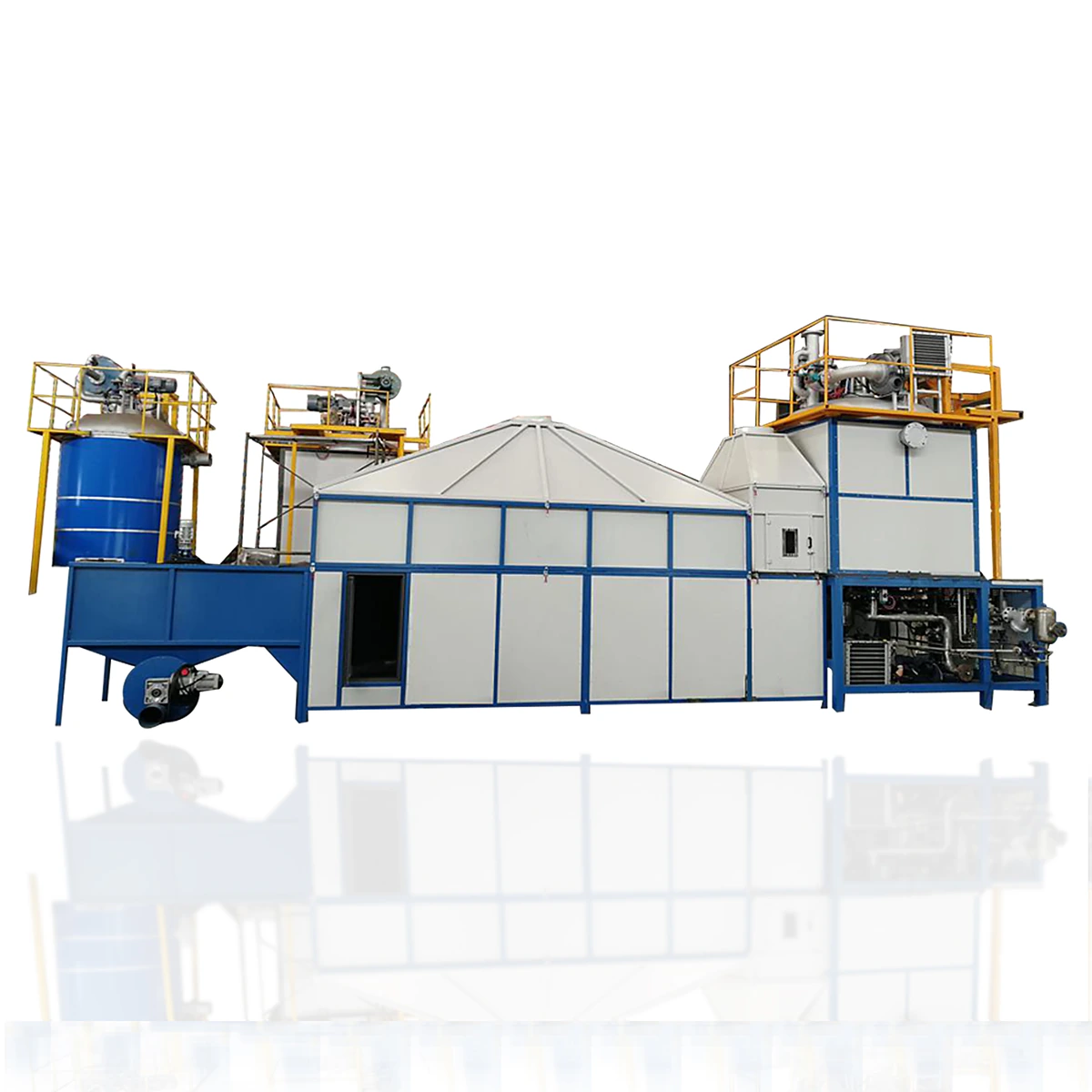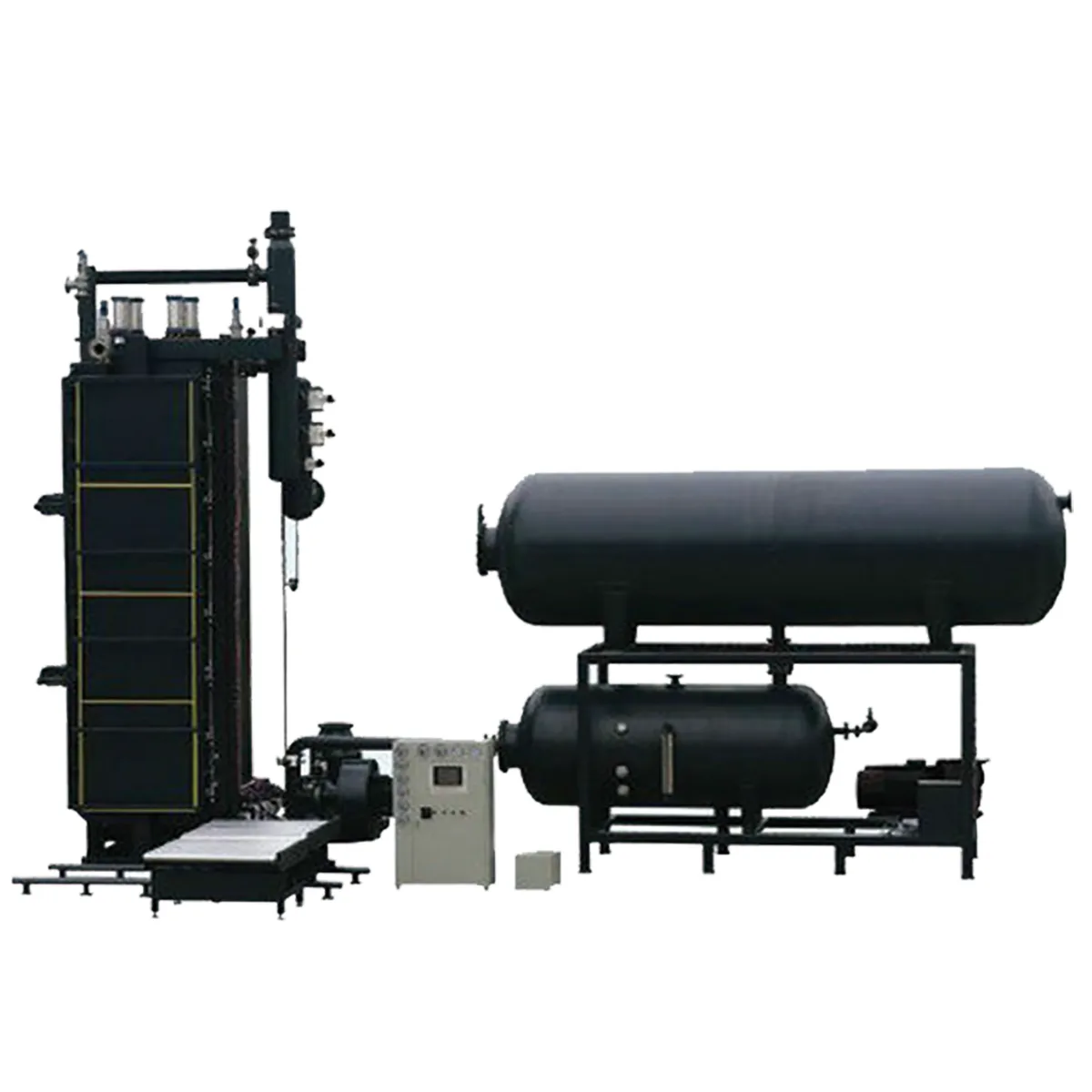
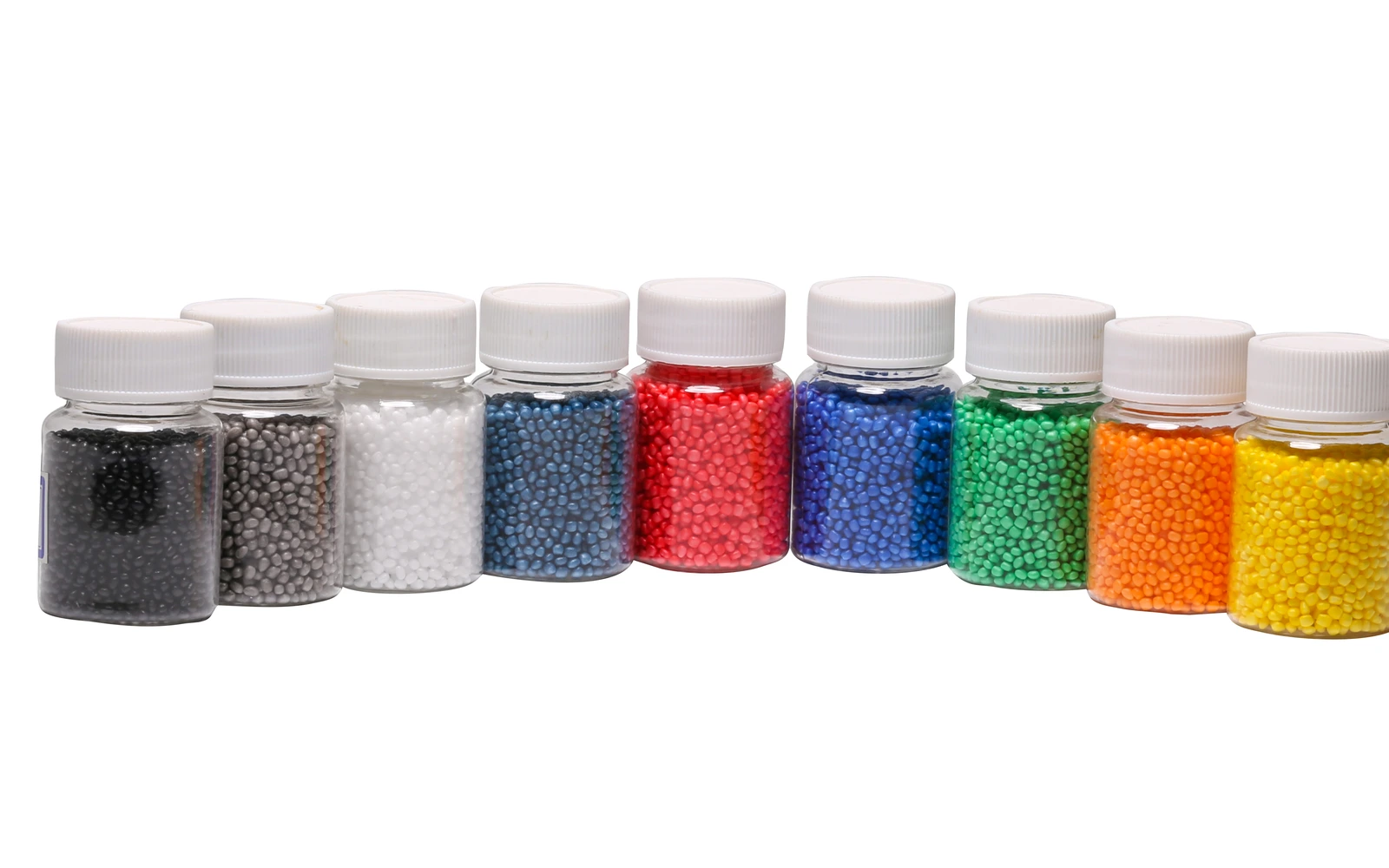
The EPP manufacturing process turns polypropylene resin into molded foam parts in 6 stages: resin selection by melt flow index (MFI 1.0–3.0 g/10 min), bead impregnation with CO2 or butane in an autoclave (4–6 hours, 60–80°C, 18–30 bar), pre-expansion in a steam chamber (120–140°C, 30–60× expansion ratio), aging for 24–48 hours, steam-chest molding (1.5–3.5 bar, 30–90 sec), and annealing (60–80°C, 4–8 hours). A complete EPP production line costs $80K (entry) to $300K (industrial-scale), produces foam densities of 15–200 g/L, and serves seven major industries — with automotive bumper cores alone representing 60% of global EPP demand. EPP costs $3.50/kg from Chinese suppliers (versus $1.20/kg for EPS), but its 200+ impact-recovery cycles, multi-use durability, and recyclability justify the premium for engineered cushioning. Below: the 6-stage process, the 8 main tools in EPP production and what each one does, equipment cost by tier, 7 industry applications, the 4 quality tests to run on samples, and a 2026 China sourcing checklist. Pair with our EPS vs EPP differences guide for material-level comparison, and how EPS foam is made for the equivalent EPS process.
1. What Is EPP and Why It Matters
Expanded Polypropylene (EPP) is a closed-cell foam produced from polypropylene resin (typically with melt flow index 1.0–3.0 g/10 min) using a steam-driven bead expansion process. Unlike expanded polystyrene (EPS), which is rigid and brittle, EPP combines low density (15–200 g/L) with elastic recovery, allowing it to absorb repeated impacts without permanent deformation.
The defining property of EPP is its energy absorption profile. When compressed to 50% strain, EPP recovers 95–98% of its original thickness within 60 seconds — versus less than 30% recovery for EPS at the same load. This makes EPP the foam of choice for automotive bumper cores, reusable industrial packaging, and protective equipment that must survive multiple impact events. According to the technical literature in Science Direct, EPP cellular morphology produces stress-strain plateaus that distribute impact energy across the bead matrix.
EPP also outperforms EPS thermally. Its working temperature range is −40°C to +110°C (versus −40°C to +80°C for EPS), and it is chemically resistant to most automotive fluids — oils, fuels, and brake fluid. These properties have positioned expanded polypropylene as the global standard for automotive lightweighting, with global EPP demand reaching approximately 700,000 tons in 2025 and growing at 5.8% CAGR.
ChinaEps factory note (Jiangyin, China): Across our 10,000+ m² manufacturing complex spanning Jiangyin, Wenzhou, and Dongguan, the most common confusion we hear from new EPP buyers is that an EPS production line can produce EPP with minor adjustments. It cannot — EPP requires dedicated autoclave impregnation upstream (the largest capital-cost difference) and steam-chest molders rated to 3.5 bar (versus 1.5 bar for EPS). Specifying the right line at procurement saves $40K–$80K versus retrofitting an EPS line later. Our exports across 60+ countries confirm: pure-EPP factories outperform mixed-line factories on cycle time and finished-part quality.
2. EPP vs Other Foams — Quick Material Map
Before committing to an EPP production line, confirm EPP is the right material for your target applications. Here is a fast comparison; for full material decision matrix see our EPS vs EPP vs ETPU material guide.
| Property | EPS | EPP | ETPU |
|---|---|---|---|
| Polymer base | Polystyrene | Polypropylene | Thermoplastic polyurethane |
| Typical density (g/L) | 15–35 | 20–200 | 110–280 |
| Impact recovery (50% strain) | <30% | 95–98% | >99% |
| Service temp range (°C) | −40 to +80 | −40 to +110 | −30 to +80 |
| 2026 FOB China ($/kg) | $1.20 | $3.50 | $12.00 |
| Recyclable | Yes (limited cycles) | Yes (extended) | Yes |
The economic punchline: EPP costs roughly 3× more per kilogram than EPS, but delivers 4–10× the impact recovery cycles. For single-use packaging, EPS wins on cost. For automotive cores, multi-use crates, and protective gear, EPP is the only viable choice. In short: expanded polypropylene trades a higher per-kilogram price for multi-impact durability that expanded polystyrene (EPS) cannot match.
3. The 6-Stage EPP Manufacturing Process
EPP production from raw resin to finished molded part involves six distinct stages. Unlike EPS (which uses pentane as the blowing agent), EPP beads are pre-impregnated with CO2 or butane under pressure in an autoclave — this is the most capital-intensive step and the defining difference between the two foam systems.
The whole EPP manufacturing process at a glance — every parameter in this table is expanded in the stage descriptions that follow:
| Stage | What happens | Key parameters | Typical duration | Machine |
|---|---|---|---|---|
| 1. Resin selection | Choose polypropylene by melt flow index and isotactic content | MFI 1.0–3.0 g/10 min (230°C, 2.16 kg); $1,800–2,400/ton | Procurement lead time | — |
| 2. Bead impregnation | CO2 or butane is forced into raw PP mini-pellets under pressure | 60–80°C, 18–30 bar, 4–8% blowing agent by weight | 4–6 hours | Autoclave |
| 3. Pre-expansion | Blowing agent vaporises; each bead expands 30–60× by volume | Saturated steam 120–140°C; exit density 20–80 g/L | 60–120 seconds | Pre-expander |
| 4. Aging | Internal cell pressure equilibrates with air so beads do not collapse in the mould | Ambient temperature; mesh-walled silos 5–15 m³ | 24–48 hours | Aging silos |
| 5. Steam-chest molding | Bead surfaces soften and fuse into the finished part geometry | Saturated steam 1.5–3.5 bar; water-spray or vacuum cooling | 30–90 seconds per cycle | Steam-chest molder + mould |
| 6. Annealing | Residual moisture driven off; part dimensions stabilise | 60–80°C | 4–8 hours | Annealing oven |
Stages 2 and 5 are where EPP diverges hardest from EPS: the autoclave has no EPS equivalent, and the molder must be rated to 3.5 bar rather than 1.5 bar. Stages 1, 3, 4 and 6 have EPS counterparts but run to different set points.
Stage 1 — Polypropylene Resin Selection
EPP starts with virgin polypropylene resin selected by melt flow index (MFI) and isotactic content. The optimal range is MFI 1.0–3.0 g/10 min (230°C, 2.16 kg load). Lower MFI produces stronger beads with better impact resilience; higher MFI improves moldability but reduces cycle-life recovery. Most EPP factories buy resin from majors like Borealis, LyondellBasell, or Sinopec in 25 kg bags or bulk containers, at approximately $1,800–2,400/ton (2026 FOB Asia).
Stage 2 — Bead Impregnation (Autoclave, 60–80°C, 4–6 hours)
This is the stage that distinguishes EPP from EPS. Raw polypropylene mini-pellets are loaded into a pressurized autoclave with CO2 (most common in 2026 due to its environmental profile) or butane as the blowing agent. The autoclave operates at 60–80°C and 18–30 bar for 4–6 hours, during which the blowing agent diffuses into the polymer matrix at 4–8% by weight.
Autoclave selection is the largest single equipment decision in an EPP line. Modern CO2-based autoclaves cost $80,000–180,000 depending on capacity (200–800 L). Butane systems are cheaper ($40K–80K) but require explosion-proof certification and dedicated ventilation, raising installation cost. Most new EPP factories in 2026 specify CO2 systems for regulatory compliance and easier permitting.
Stage 3 — Pre-Expansion (Steam, 120–140°C)
Impregnated beads are conveyed to a steam pre-expander where they are exposed to saturated steam at 120–140°C. The blowing agent vaporizes, expanding each bead 30–60× by volume. Exit bead density is controlled by steam temperature, residence time (typically 60–120 seconds), and bead loading rate. Final pre-expanded bead density is 20–80 g/L — finer-density beads serve packaging applications, while denser beads target automotive cores. For the full EPP density range by application, see our dedicated density guide.
The pre-expander itself is a continuous fluidized-bed unit costing $35K–60K. Steam consumption is roughly 0.8–1.2 kg steam per kg of beads. Factor in a boiler with capacity of 1.5–3 tons/hour for a production line targeting 500–1000 kg/day EPP output.
Stage 4 — Aging and Stabilization (24–48 hours)
Freshly pre-expanded EPP beads contain residual blowing agent that must equilibrate with atmospheric air before molding. Aging takes place in mesh-fabric silos at ambient temperature for 24–48 hours. The bead surface dries and the internal cell pressure stabilizes, preventing collapse during the molding cycle.
Aging silos for EPP are similar in design to EPS aging silos: mesh-walled cylinders with 5–15 m³ capacity, typically costing $4K–12K each. A balanced production line needs aging capacity equal to 1.5–2× daily bead output to provide buffer time. Skipping or shortening aging is the single most common defect cause in EPP production — see Section 7.
Stage 5 — Steam-Chest Molding (1.5–3.5 bar, 30–90 sec)
Aged beads are pneumatically fed into a closed steel mold cavity, then exposed to saturated steam at 1.5–3.5 bar. The steam softens the bead surface (just above polypropylene's glass transition), causing adjacent beads to fuse at their contact points without losing their cellular structure. Cycle time is 30–90 seconds depending on part thickness; the mold then cools (water spray or vacuum) before the part is ejected.
This machine goes by several names in supplier quotations. Steam-chest molder describes the mechanism — steam chambers on both sides of the mold. Shape molder describes the output — a finished three-dimensional part rather than a block. EPP bead molding machine describes the input — pre-expanded, aged beads rather than molten resin. All three names refer to the same equipment; a quotation for any one of them should be compared line by line against the others.
Steam-chest molding machines are the most visible piece of EPP equipment. They differ from EPS shape molders in two ways: (1) higher steam pressure capability (3.5 bar vs 1.5 bar for EPS), and (2) more sophisticated vacuum-assist cooling to prevent post-molding shrinkage. Entry-level EPP shape molders run $60K–120K; high-cavity automotive molders reach $250K. The Society of Plastics Engineers technical conferences on cellular polymers publish annual cycle-time benchmarks for steam-chest molding optimization.
Stage 6 — Annealing and Post-Processing
Freshly molded EPP parts are annealed at 60–80°C for 4–8 hours to drive off residual moisture and stabilize the cellular structure. Annealing prevents long-term dimensional drift and improves impact recovery. Some automotive specifications require post-mold inspection with dimensional CMM and density verification before parts are shipped to assembly plants.
4. The 8 Main Tools in EPP Production
The main tools in EPP production are eight: an autoclave, a pre-expander, aging silos, a steam-chest molder, the mould tooling that fits inside it, a steam boiler, an annealing oven, and — on industrial lines — handling automation. Six of them sit at a specific stage of the process above; the boiler and the automation package run across the whole line. Price this list item by item when you request a quotation: a supplier quoting "a complete EPP line" may or may not have included the boiler, the mould, and the steam piping.
| # | Tool / machine | What it does | Typical operating spec | Stage |
|---|---|---|---|---|
| 1 | Autoclave (impregnation vessel) | Forces CO2 or butane into raw PP mini-pellets under pressure — the step that makes EPP possible, and the largest single capital item | 60–80°C, 18–30 bar, 4–6 hours; 4–8% blowing agent by weight; 200–800 L | Stage 2 |
| 2 | Pre-expander | Flash-expands the impregnated beads with steam down to the target bulk density | Saturated steam 120–140°C, 60–120 sec residence, 30–60× expansion, exit density 20–80 g/L | Stage 3 |
| 3 | Aging silos | Hold the beads while internal cell pressure equilibrates with air, so they do not collapse in the mould | Mesh-walled, 5–15 m³ each, ambient, 24–48 hours; total capacity 1.5–2× daily bead output | Stage 4 |
| 4 | Steam-chest molder (shape molder / EPP bead molding machine) | Fuses aged beads into the finished part — the most visible machine on the floor | 1.5–3.5 bar saturated steam, 30–90 sec cycle, water-spray or vacuum-assist cooling | Stage 5 |
| 5 | Mould tooling | The vented cavity set that gives the part its shape; one set per part geometry, swapped on the same molder | Automotive parts require ±0.5 mm assembly tolerance; quoted separately from the machine | Stage 5 |
| 6 | Steam boiler | Supplies saturated steam to both the pre-expander and the molder — the utility everything else waits on | 1.5–3 tons/hour for a 500–1000 kg/day line; ~0.8–1.2 kg steam per kg of beads | Stages 3 + 5 |
| 7 | Annealing oven / drying room | Drives off residual moisture and stabilises the moulded part's dimensions | 60–80°C for 4–8 hours; post-anneal dimensional drift should stay <0.5% | Stage 6 |
| 8 | Handling automation (take-out robot + conveying) | Moves beads and finished parts between machines; optional below industrial volume | Normally specified only on the 1500+ kg/day tier | Whole line |
Two things catch first-time buyers on this list. Mould tooling is not part of the machine price — the molder is bought once, but every new part geometry needs its own cavity set, so a plant running six part numbers needs six mould sets and one molder. And the boiler plus steam piping are the items most often left out of a comparison quotation, which is what makes two "complete line" offers look $20K apart when they are not. Per-machine price ranges appear in the stage descriptions above; complete line budgets by tier are in the next section.
5. EPP Equipment Cost Breakdown
A complete EPP production line falls into three investment tiers based on output capacity and automation level:
| Tier | Output | Total Equipment Cost | Typical Use Case |
|---|---|---|---|
| Entry ($80K) | 200 kg/day | Autoclave $40K + pre-expander $20K + 1 shape molder $15K + aging silos $5K | Pilot lab, low-volume contract molding |
| Mid ($180K) | 500–800 kg/day | Autoclave $100K + pre-expander $40K + 2 shape molders $30K each, $60K silos $10K + boiler $10K | Mid-volume packaging, regional supplier |
| Industrial ($300K+) | 1500+ kg/day | Dual autoclaves $180K + continuous pre-expander $60K + 3 automotive-grade molders $200K total + automation $40K | Automotive tier-1, high-volume export |
Add 15–25% for installation, commissioning, steam piping, electrical work, and operator training. Factory footprint requirements are 200 m² (entry tier), 600 m² (mid), and 1500+ m² (industrial). For investment planning, see our companion guide on setting up an EPS factory; the layout principles transfer directly to EPP.
6. 7 Industry Applications
EPP serves seven major industries, each with distinct density requirements and surface-finish standards. Understanding the target application is essential when specifying mold tooling and bead grades.
6.1 Automotive (60% of Global Demand)
Automotive bumper cores, headrests, sun-visor cores, and seat-back energy absorbers consume roughly 60% of global EPP production. Density targets are 40–80 g/L for impact zones, with strict dimensional tolerance (±0.5 mm) for assembly fit. Tier-1 suppliers like Tier1Auto and major OEMs (BMW, Toyota, Volkswagen) qualify EPP suppliers through 6–12 month audits including ISO/TS 16949 compliance.
6.2 Reusable Industrial Packaging
Returnable shipping crates, dunnage trays, and pallet inserts for automotive parts, electronics, and aerospace components leverage EPP's multi-cycle durability. Density typically 30–60 g/L. Major adopters include automotive logistics providers serving plants in Mexico, Eastern Europe, and Southeast Asia.
6.3 Toys, Sports, and Protective Gear
EPP helmet liners, archery target backstops, bicycle frame protectors, and children's foam blocks rely on EPP's repeated impact recovery. Density 25–45 g/L for soft-touch applications, 80–120 g/L for high-impact helmet inserts. Production-line examples are documented in our EPS vs EPP applications table.
6.4 HVAC Insulation Panels
EPP HVAC ducting panels and insulation core for prefabricated mechanical rooms benefit from EPP's combined thermal insulation (λ 0.036 W/(m·K) at 30 g/L) and impact resistance during installation handling. This segment is growing 7–9% per year in 2026 as commercial HVAC retrofits accelerate.
6.5 Medical Equipment Cushioning
Patient transport pads, equipment shipping cushioning for MRI and CT scanners, and orthopedic positioning foam use EPP density 30–80 g/L. Medical-grade specifications require additional testing for VOC emissions and biocompatibility documentation.
6.6 Construction (Anti-Vibration Pads, Foundation Inserts)
EPP pads installed under mechanical equipment, HVAC compressors, and as foundation void-formers leverage its long-term creep resistance. Density 60–150 g/L for structural applications. This segment overlaps with EPS ICF construction blocks, but EPP is preferred where vibration damping is critical.
6.7 Furniture (Lightweight Chair and Component Cores)
Office chairs, lounge furniture cores, and modular seating use EPP density 25–40 g/L for combined lightweight and structural integrity. Many contemporary designs feature EPP cores upholstered with fabric or molded skins.
7. Quality Control — 4 Tests Every Buyer Must Run
EPP production quality varies dramatically by factory. These four tests, run on every production batch, separate qualified EPP from defective product. Run them on samples before any large purchase order.
- Bead Fusion Test (ASTM D6226) — Cut a 10×10×10 cm sample with a sharp knife. Bead-to-bead bonding should be visible across >80% of the cut surface. Less than 70% fusion indicates undersize steam pressure or shortened aging.
- Density Verification (ISO 845) — Cut samples, dry at 60°C for 4 hours, then weigh. Target density should be within ±5% of specification. Density variance >10% indicates bead loading inconsistency in the molder.
- Compression Set (ASTM D3574) — Compress sample to 50% strain at 23°C for 22 hours, release, measure recovery after 60 seconds. Compliant EPP recovers ≥95%; values below 90% indicate over-aged or contaminated beads.
- Dimensional Stability After Annealing — Measure part dimensions immediately after molding, then after 48 hours at 60°C. Drift should be <0.5%. Larger drift indicates inadequate annealing or excess residual blowing agent.
Reputable Chinese EPP suppliers will provide test reports for every shipment. Refuse suppliers who cannot produce these four reports — the cost of defective EPP in an automotive bumper application can exceed the entire bead invoice within a single quality-fail event.
8. 2026 China Sourcing Checklist
China supplies approximately 35% of global EPP exports in 2026, with production capacity concentrated in Jiangsu, Zhejiang, and Guangdong provinces — the same belt where ChinaEps operates its three manufacturing sites (Jiangyin / Wenzhou / Dongguan). Pricing is competitive: FOB China $3.30–3.80/kg for standard automotive-grade EPP, compared with $4.20–5.00/kg from European suppliers per EUMEPS market data. All quality-grade Chinese EPP exports should carry minimum ISO 9001 certification; automotive-tier supply requires additional ISO/TS 16949 compliance. Use this 6-point checklist when sourcing from Chinese EPP manufacturers:
- Certifications: ISO 9001 minimum; automotive applications require ISO/TS 16949. Confirm certificate validity dates and scope.
- Density range: Confirm supplier can hit your target density ±5% repeatably. Request data for 3 different density grades to verify range.
- Blowing agent: CO2-based EPP is preferred for export to EU and US markets. Confirm supplier uses CO2 (not butane) for regulatory compliance.
- Lead time: Standard production lead time should be 30–45 days FOB. Lead times >60 days indicate capacity constraints.
- Sample policy: Reputable suppliers provide 5–10 kg samples free of charge for qualification testing. Insist on samples before any production order.
- Reference customers: Ask for 3 reference customers in your target export region (EU, US, Southeast Asia, Latin America). Verify references independently.
For broader equipment sourcing methodology applicable to EPP machinery, see our 8-question buying guide for EPS machinery from China — the verification framework transfers directly to EPP equipment selection.
Frequently Asked Questions
What is the EPP manufacturing process?
The EPP manufacturing process is a six-stage steam-and-pressure route. Polypropylene resin is selected by melt flow index, impregnated with CO2 or butane in an autoclave (60–80°C, 18–30 bar, 4–6 hours), pre-expanded with steam at 120–140°C, aged 24–48 hours in mesh silos, molded in a steam chest at 1.5–3.5 bar, then annealed at 60–80°C for 4–8 hours. Autoclave impregnation is the step that has no equivalent in the EPS process.
What is an EPP bead molding machine?
An EPP bead molding machine is the same equipment as an EPP steam-chest molder or shape molder. The name describes what feeds into it: pre-expanded, aged polypropylene beads rather than molten resin. The machine fuses those beads into a finished part using saturated steam at 1.5–3.5 bar, as described in Stage 5 above. Suppliers who quote a bead molding machine, a shape molder, or a steam-chest molder are quoting the same category of equipment, and specifications should be compared line by line.
What are the main tools in EPP production?
The main tools in EPP production are eight: an autoclave for bead impregnation, a pre-expander, aging silos, a steam-chest molder, the mould tooling that fits inside it, a steam boiler, an annealing oven, and — on industrial lines — handling automation. The autoclave and the molder are the two cost centres; the boiler is the utility every other machine depends on.
Do I need a separate mould for every EPP part?
Yes. One mould cavity set produces one part geometry. The steam-chest molder itself is shared — you unbolt one tool and fit the next to change products — so a plant running six part numbers needs six mould sets but only one molder of that size. Mould tooling is always quoted separately from the machine.
What is EPP plastic and how is it different from regular polypropylene?
EPP (expanded polypropylene) is regular polypropylene that has been expanded into a closed-cell foam structure using a blowing agent (CO2 or butane) and steam. The expansion creates 30–60× volume increase, dramatically reducing density (from 900 g/L for solid PP to 20–80 g/L for EPP) while retaining polypropylene's chemical resistance and impact recovery.
How is EPP foam manufactured step-by-step?
EPP manufacturing has six stages: (1) PP resin selection by MFI; (2) bead impregnation in autoclave (4–6 hours, 60–80°C, 18–30 bar with CO2 or butane); (3) pre-expansion in steam chamber (120–140°C, 30–60× ratio); (4) aging in mesh silos (24–48 hours, ambient); (5) steam-chest molding (1.5–3.5 bar, 30–90 sec); (6) annealing (60–80°C, 4–8 hours).
What temperature is required for EPP steam molding?
EPP steam-chest molding uses saturated steam at 1.5–3.5 bar, which corresponds to 112–139°C. This is significantly higher than EPS molding (0.8–1.2 bar, 95–105°C) because polypropylene has a higher glass transition temperature.
How much does it cost to set up an EPP production line?
Entry-level EPP production line costs approximately $80,000 (200 kg/day output); mid-scale industrial lines cost $180,000 (500–800 kg/day); high-volume automotive-grade lines reach $300,000+ (1500+ kg/day). Add 15–25% for installation and 200–1500 m² factory footprint.
What is the expansion ratio of EPP beads?
EPP beads expand 30–60× by volume during pre-expansion, depending on target final density. A 60× expansion ratio produces 20 g/L beads (low-density cushioning); 30× expansion produces 60 g/L beads (automotive bumper grade).
Why does EPP cost more than EPS per kg?
EPP costs approximately 3× more per kg than EPS ($3.50 vs $1.20 FOB China 2026) because: (1) polypropylene resin is more expensive than polystyrene, (2) the autoclave impregnation step requires significant capital and energy, and (3) EPP molds require higher steam pressure ratings and more sophisticated cooling. The premium is justified for multi-cycle applications.
Can EPP be recycled? Is it environmentally friendly?
Yes, EPP is fully recyclable. Used EPP parts can be reground and remixed with virgin beads (typically up to 15–20% recycled content) without significant property loss. The closed-cell structure means no chemical leaching, and CO2-blown EPP has a much lower global warming potential than older butane-blown grades.
What are the main applications of EPP foam in 2026?
The seven main EPP applications are: automotive bumper cores (60% of demand), reusable industrial packaging, helmets and sports protective gear, HVAC insulation panels, medical equipment cushioning, construction anti-vibration pads, and lightweight furniture cores.
How do you choose between EPP and EPS for automotive parts?
Choose EPP for any automotive application requiring repeated impact recovery (bumper cores, headrests, energy absorbers) or service temperatures above 80°C. Choose EPS for single-use thermal insulation or void-fill where the part will not see repeated mechanical loads. See our full EPS vs EPP comparison for the 7-property decision matrix.
What is the typical density range of finished EPP products?
Finished EPP products range from 15 g/L (ultra-light cushioning) to 200 g/L (high-load structural inserts). The most common commercial range is 30–80 g/L, covering packaging, automotive bumpers, and protective gear applications.
Related Reading
- EPS vs EPP: Key Differences and Applications — Material-level comparison for selection decisions.
- EPS vs EPP vs ETPU: Foam Material Guide — Three-way comparison adding ETPU.
- How EPS Foam Is Made: 6-Stage Process — Sister guide for the equivalent EPS process.
- EPS Machine Buying Guide: 8 Questions Before You Order from China — Verification methodology applies to EPP equipment.
- How to Set Up an EPS Factory — Factory layout and capital planning principles transfer to EPP.
- EPP vs EPS Foam: How to Choose the Right Material — Extended reading in the same cluster.