Expanded polystyrene (EPS) foam is everywhere — in the packaging that protects your electronics, the fish boxes that keep seafood cold during transport, and the insulation panels that reduce energy loss in buildings. Global EPS production currently exceeds 6 million metric tons per year, generating enormous volumes of post-industrial and post-consumer waste. Yet the global average recycling rate for EPS sits between 10% and 35% depending on region — a gap that represents both an environmental challenge and a significant business opportunity for manufacturers and entrepreneurs in 2026.
This guide covers everything you need to know about EPS recycling: the methods available, the equipment required, the step-by-step process, and the business economics behind a recycling operation — whether you are an EPS manufacturer looking to handle your own production waste or an entrepreneur considering entering the recycling market.
Why EPS Recycling Matters More Than Ever in 2026
The pressure to recycle EPS has intensified dramatically over the past three years, driven by converging regulatory, economic, and market forces that show no sign of easing.
Tightening Regulations Around the World
The European Union's revised Packaging and Packaging Waste Regulation (PPWR), entering enforcement in 2025–2026, mandates that packaging placed on the EU market meet minimum recycled content thresholds and be recyclable by 2030. Extended Producer Responsibility (EPR) schemes — which require manufacturers and importers to finance collection and recycling infrastructure — are now active in 47 countries, up from 28 in 2020. In the United States, California, Maine, Colorado, and Oregon have enacted EPR legislation covering packaging materials including EPS. Several jurisdictions have enacted outright landfill bans on EPS foam packaging, including parts of Canada, France, and multiple U.S. states and cities.
For EPS manufacturers and brand owners, the message is clear: recycling is no longer optional.
Economic Opportunity: Recycled EPS Has Real Value
Beyond compliance, EPS recycling has become economically attractive. Recycled EPS pellets (also called densified EPS or re-granulated polystyrene) currently sell for $400–$800 per metric ton depending on quality and regional market. The primary buyers are manufacturers of EPS picture frames, skirting boards, crown molding, and plastic lumber products — a global market that actively seeks consistent supplies of recycled EPS feedstock.
Landfill disposal of EPS waste, by contrast, typically costs $50–$200 per ton in gate fees plus transport. Converting a cost center into a revenue stream is the core economic argument for investing in EPS recycling equipment.
Consumer and Brand Pressure
Major consumer goods companies including Unilever, Procter & Gamble, and Nestlé have published commitments to use 25–50% recycled content in packaging by 2025–2030. These commitments are creating downstream demand for certified recycled materials, including recycled EPS, at prices that make recycling economically viable even without regulatory mandates.
Three Main EPS Recycling Methods
There are three established pathways for recycling EPS waste, each with different economics, complexity, and environmental profiles.
Mechanical Recycling (The Industry Standard)
Mechanical recycling processes EPS waste without changing its chemical structure. The foam is first crushed or shredded to reduce volume, then densified — either by cold compaction or hot melting — to create dense blocks or ingots. These blocks can be sold directly to end users or further processed through a pelletizer to create uniform granules suitable for injection molding and extrusion applications.
Mechanical recycling is the most widely deployed method because it requires the lowest capital investment relative to output, operates at ambient or moderate temperatures, and produces a material accepted by a broad base of industrial buyers. The principal limitation is material quality: recycled EPS processed mechanically is typically used as a secondary material (blended with virgin PS) rather than as a full substitute, and repeated recycling cycles progressively degrade molecular weight.
Chemical Recycling (Emerging Technology)
Chemical recycling dissolves EPS in a solvent — most commonly d-limonene, a citrus-derived solvent — to separate the polystyrene from contaminants and recover it as a purified polymer. After the solvent is removed (and recaptured for reuse), the result is a polystyrene powder or solution that can theoretically serve as a direct substitute for virgin EPS raw material.
Chemical recycling is commercially available but not yet widely deployed at scale. The process produces higher-quality recycled polystyrene than mechanical recycling but requires larger capital investment, careful solvent management, and a supply chain capable of delivering relatively clean, sorted EPS waste. Companies including INEOS Styrolution and Trinseo are investing in chemical recycling capacity targeting commercial scale by 2027–2028.
Thermal Recycling (Energy Recovery — Last Resort)
EPS has a high calorific value of approximately 40–42 MJ/kg — comparable to fuel oil — making it suitable for energy recovery through incineration in waste-derived fuel facilities. However, thermal recycling is considered the lowest rung in the waste hierarchy: it destroys the material value of the polymer, produces CO₂ emissions, and is increasingly restricted or penalized under EPR regulations that prioritize material recovery over energy recovery.
Thermal recycling should be considered only for heavily contaminated EPS waste that cannot be economically processed through mechanical or chemical means.
EPS Recycling Methods Comparison
| Method | Capital Cost | Output Quality | Minimum Scale | Commercial Maturity |
|---|---|---|---|---|
| Mechanical | $30,000–$150,000 | Good (secondary material) | 500 kg/day | Fully commercial |
| Chemical | $500,000+ | Excellent (near-virgin) | 5+ t/day | Emerging (2025–2028) |
| Thermal | Requires waste-to-energy facility | None (energy only) | Large scale only | Commercial but declining |
EPS Recycling Equipment: What You Need
A complete mechanical EPS recycling line consists of three core machines: a crusher or shredder, a densifier (either cold compactor or hot melting machine), and optionally a pelletizer for producing uniform granules. Here is a detailed breakdown of each.
EPS Crusher / Shredder
The first step in any EPS recycling process is size reduction. EPS foam waste — whether it arrives as molded packaging, loose offcuts, or large blocks — must be broken into small pieces to increase bulk density for handling and to prepare the material for the densification stage.
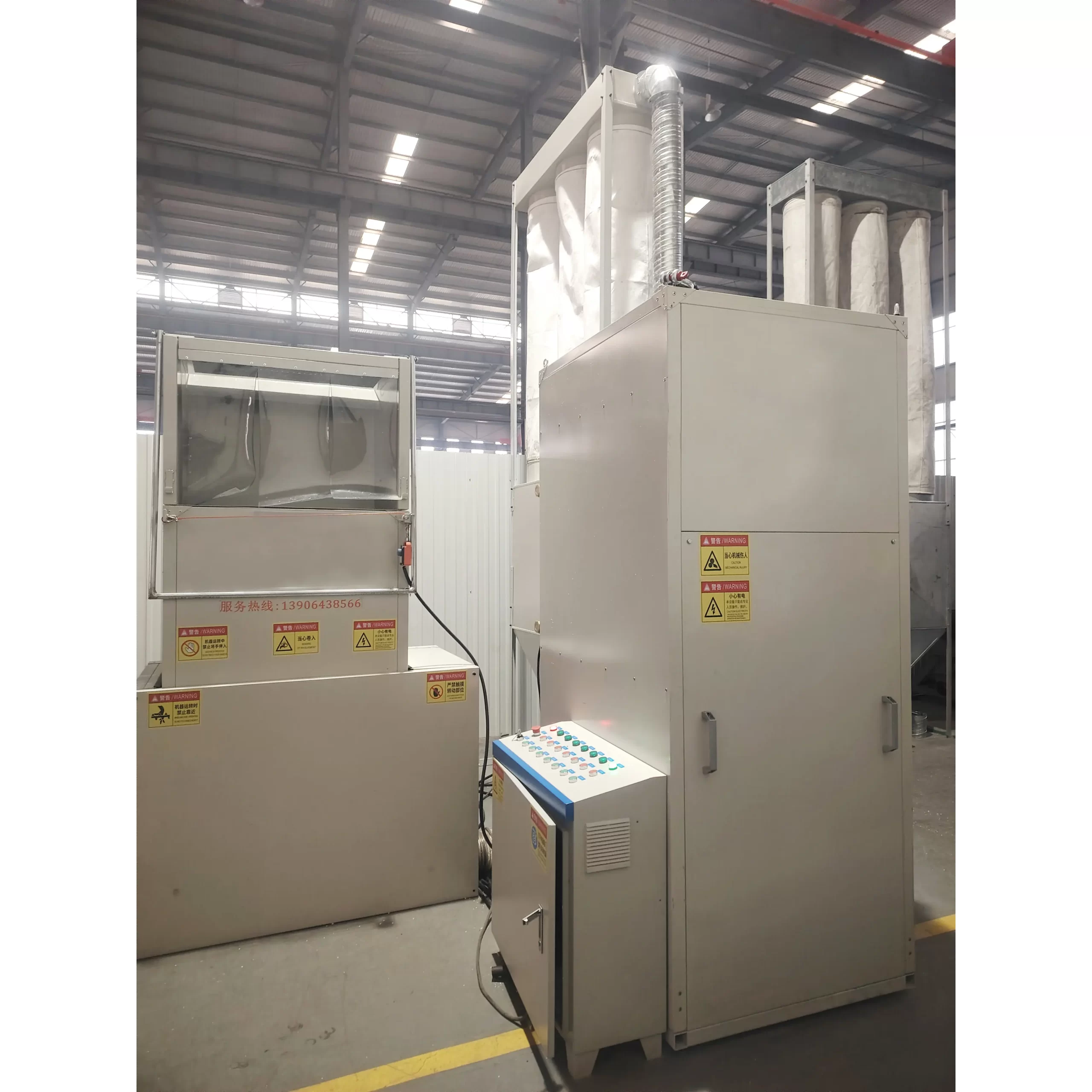
The RC-200 EPS Crusher is designed specifically for this purpose. With a processing capacity of 200–400 kg/h of loose EPS foam, it accepts large pieces of EPS packaging and produces uniform crushed material with a typical particle size of 10–30 mm. Key specifications:
- Feed opening: 1,200 × 800 mm — accepts standard packaging inserts without pre-cutting
- Motor power: 11–15 kW
- Output particle size: adjustable 10–50 mm via screen mesh selection
- Throughput: 200–400 kg/h depending on foam density and feed piece size
- Construction: hardened steel rotor blades with replaceable cutting elements
Volume reduction at the crushing stage is typically 5:1 to 10:1 by volume (loose foam to crushed foam), which significantly reduces transport and storage costs before the densification stage.
Cold Compactor (Mechanical Densifier)
Cold compaction uses mechanical pressure — typically a screw compressor — to compress crushed EPS into dense blocks without applying heat. This preserves the chemical structure of the polystyrene and produces blocks that are easy to handle, stack, and transport.
The RC-500 Cold Compactor achieves a compression ratio of 50:1 — meaning 50 cubic meters of loose crushed EPS is compacted into 1 cubic meter of dense block. Key specifications:
- Processing capacity: 300–500 kg/h of crushed EPS
- Compression ratio: 50:1 (by volume)
- Output block size: approximately 400 × 300 mm cross-section, variable length
- Motor power: 18.5 kW total (screw drive + hydraulic press)
- Energy consumption: approximately 25–35 kWh per ton of output
- Output block density: 200–400 kg/m³
Cold compacted EPS blocks are the preferred output form for many recycling collectors and traders because the material can be stored outdoors, loaded into containers efficiently, and transported economically over long distances. A 20-foot shipping container can hold approximately 18–22 tons of cold-compacted EPS blocks, compared to less than 1 ton of loose foam.
Hot Melting Densifier (EPS Ingot Machine)
Hot melting takes the process a step further by applying heat — typically 150–200°C — to melt the crushed EPS into solid ingots. The melted polystyrene is extruded through a die and cooled to form continuous rods or blocks that are cut into uniform ingots.
The RE-900 EPS Recycling Machine (hot melting densifier) achieves a compression ratio of 90:1 by volume — nearly double that of cold compaction — and produces ingots with a density of 500–950 kg/m³. Key specifications:
- Processing capacity: 200–400 kg/h
- Compression ratio: 90:1 (by volume)
- Output ingot density: 500–950 kg/m³
- Heating method: electric resistance heating, 3-zone temperature control
- Motor power: 22–30 kW
- Energy consumption: 80–120 kWh per ton of output
- Output form: solid ingots approximately 80 × 80 mm cross-section
Hot-melt ingots command a premium of $50–$150 per ton over cold-compacted blocks in the recycled material market because they are more uniform, denser, and easier to process in downstream applications such as extrusion and injection molding. The trade-off is higher energy consumption and the requirement that feed material be relatively clean and dry — contaminants such as paper labels, adhesives, and moisture reduce output quality and can cause processing problems.
Complete EPS Recycling Line
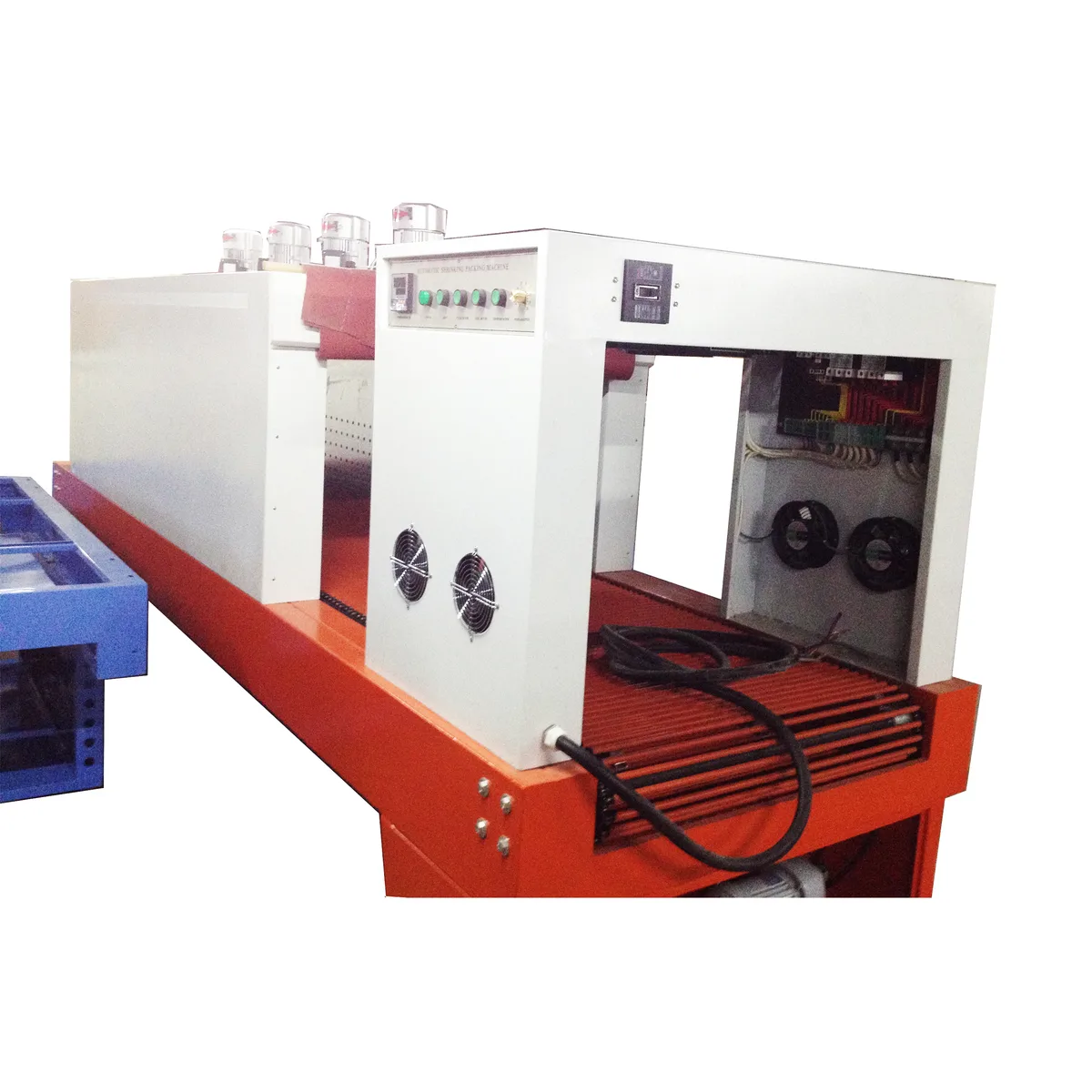
For operations requiring a turnkey solution — from raw EPS waste input to finished recycled pellets or ingots ready for sale — our complete EPS recycling equipment range covers integrated line configurations including conveyor infeed systems, crushers, densifiers, optional pelletizers, and dust collection systems. Integrated lines reduce labor requirements by 30–40% compared to operating standalone machines and improve throughput consistency.
Step-by-Step EPS Recycling Process
Understanding the full process flow helps you plan your facility layout, staffing, and working capital requirements effectively.
Step 1: Collection and Sorting
EPS waste must be collected and sorted before processing. Key sorting criteria include:
- Material type: Separate EPS (polystyrene foam) from XPS (extruded polystyrene), EPP (expanded polypropylene), and other foam materials. EPS and XPS can be processed together in most mechanical systems, but EPP requires different equipment.
- Contamination level: Remove visible food residue, metal inserts, tape, and heavy paper labels. Surface contamination of up to 5% by weight is generally acceptable for cold compaction; hot melting requires cleaner feedstock below 2% contamination.
- Color segregation: White EPS and graphite-enhanced (grey) EPS should ideally be sorted separately to maintain output quality and market value.
Establishing collection agreements with packaging users — fish processors, electronics distributors, appliance retailers — provides steady, predictable feedstock supply and often generates a collection fee of $20–$80 per ton that supplements recycled material sales revenue.
Step 2: Crushing and Shredding
Sorted EPS waste is fed into the crusher. Throughput at this stage is typically 200–500 kg/h per machine depending on foam density and piece size. The crusher reduces large foam pieces to uniform particles of 10–50 mm, which:
- Increases bulk density from approximately 5–15 kg/m³ (loose foam) to 20–60 kg/m³ (crushed)
- Improves feeding consistency into the densifier
- Exposes contaminated surfaces for visual inspection before densification
Step 3: Densification
The crushed EPS enters the densifier — either a cold compactor or hot melting machine depending on your target output and buyer market.
Cold compaction operating parameters:
- Screw speed: 20–40 RPM (adjustable)
- Output temperature: ambient (no heat applied)
- Energy consumption: 25–40 kWh/ton of output
- Compression cycle: continuous
Hot melting operating parameters:
- Barrel temperature zone 1: 150–160°C (preheat)
- Barrel temperature zone 2: 175–185°C (melting)
- Barrel temperature zone 3: 185–195°C (discharge)
- Energy consumption: 80–130 kWh/ton of output
- Cooling: air-cooled die exit
Step 4: Pelletizing (Optional)
If your target market is plastics manufacturers requiring uniform pellets for injection molding or extrusion, a downstream pelletizer converts ingots or compacted blocks into cylindrical granules of 3–5 mm diameter. Pelletizing adds $15,000–$40,000 to equipment cost but can increase the sale price of output by $100–$200 per ton by making the material directly usable in automated plastics processing equipment without additional preparation.
Step 5: Quality Testing and Sale
Before sale, recycled EPS material should be tested for:
- Density: confirms compression ratio was achieved as specified
- Melt Flow Index (MFI): indicates molecular weight and processability; target MFI 4–12 g/10 min at 200°C/5 kg for general applications
- Contamination level: visual and weight-based assessment
- Moisture content: below 0.5% for hot-melt ingots
Business Case: Starting an EPS Recycling Operation
The economics of EPS recycling have improved substantially as recycled material prices have risen and regulatory support for collection infrastructure has grown. Here is a realistic analysis for 2026.
Equipment Investment by Scale
| Scale | Daily Throughput | Key Equipment | Investment Range |
|---|---|---|---|
| Entry-level | 500–1,000 kg/day | Crusher + cold compactor | $30,000–$60,000 |
| Mid-scale | 1,000–3,000 kg/day | Crusher + hot melter + conveyor | $60,000–$110,000 |
| Full line | 3,000–8,000 kg/day | Complete integrated line + pelletizer | $110,000–$150,000+ |
Operating Costs
For a mid-scale operation processing 1,500 kg/day of EPS waste using a crusher plus hot melting densifier running 8 hours per day:
- Electricity: approximately 180 kWh/day at $0.10/kWh = $18/day ($5,400/year)
- Labor: 1–2 operators per shift at local wage rates
- Transport (waste collection): $500–$2,000/month depending on collection radius and incoming volume
- Maintenance and consumables: $3,000–$6,000/year (crusher blades, wear parts, lubricants)
- Facility: 200–400 m² warehouse space required
Revenue Streams
A recycling operation has three potential revenue streams:
- Recycled material sales: At 1,500 kg/day processed with approximately 85% yield (accounting for contamination and moisture losses), output is approximately 1,100–1,275 kg/day. At $500/ton average market price, daily revenue is $550–$638, or $165,000–$191,000 annually at 300 operating days.
- Waste collection fees: Charging $40/ton on 1,500 kg/day of incoming waste generates an additional $60/day ($18,000/year).
- Carbon credits: In jurisdictions with verified carbon markets, diverting EPS from landfill can generate carbon credits at $15–$50 per ton CO₂ equivalent. The carbon benefit of recycling 1 ton of EPS versus landfilling is approximately 2–3 tons CO₂e, adding $30–$150 per ton of material recycled where credits are tradeable.
ROI Analysis: Conservative Mid-Scale Scenario
- Equipment investment: $80,000
- Installation and commissioning: $8,000
- Working capital (3 months operations): $12,000
- Total initial investment: approximately $100,000
- Annual revenue (material sales + collection fees): $183,000–$209,000
- Annual operating costs (electricity + maintenance + transport): $45,000–$65,000
- Annual operating profit: approximately $120,000–$160,000
- Typical payback period: 8–14 months
These figures assume stable feedstock supply at approximately 450 tons/year and a recycled material sale price of $500/ton. Higher material prices — currently achievable in Europe and North America — shorten payback. The minimum viable scale for a financially sustainable standalone recycling business is approximately 500 kg/day of EPS waste processed, sufficient to cover fixed costs and generate positive cash flow.
Integrating Recycling into Your Existing EPS Factory
For companies that already operate EPS manufacturing equipment — pre-expanders, block molding machines, shape molding machines, cutting lines — adding in-house recycling capability offers a distinct economic advantage: you capture the value of waste that your own production already generates rather than purchasing feedstock from external collectors.
How Much Waste Does a Typical EPS Factory Generate?
In a typical EPS manufacturing operation, production waste arises from multiple sources:
- Block cutting losses: Cutting EPS blocks to final dimensions generates fine crumble and off-cuts, typically 3–8% of block weight
- Shape molding sprues and flash: Runners and flash from shape-molded parts account for 2–5% of material input
- Rejected parts and quality failures: Density non-conformances, under-fused sections, dimensional rejects — typically 1–3% of production volume
- Handling damage: Breakage during storage and transport, approximately 0.5–1%
Combined, a mid-size EPS factory processing 5,000 kg/day of raw beads generates 300–850 kg/day of recyclable EPS waste — a significant volume that is currently either landfilled, sold at low prices to external collectors, or written off as material loss.
The Closed-Loop System
Adding an in-house recycling line creates a closed-loop system: production waste is collected, crushed, and fed back into the process as secondary raw material blended with virgin EPS beads. Re-granulated recycled EPS (after pelletizing) behaves similarly to virgin beads in pre-expansion, with some adjustment required for blending ratio and steam parameters.
The economic benefit is direct: replacing purchased virgin EPS beads — typically $1,200–$1,800/ton depending on grade and region — with internally recycled material at a processing cost of $100–$200/ton reduces raw material costs by 8–15% of total material spend for factories achieving even modest recycling rates.
Quality Considerations: Maximum Recycled Content by Application
| Application | Max Recommended Recycled Content | Key Constraint |
|---|---|---|
| Insulation boards (EPS 100/150/200) | 15–25% | Lambda value (thermal conductivity) must be maintained |
| General packaging blocks | 20–30% | Compressive strength at specified density |
| Fish boxes and food packaging | 0–10% | Food safety regulations limit recycled content |
| Construction formwork and fill blocks | Up to 30% | Density uniformity |
| Non-critical loose-fill packaging | Up to 50% | Visual appearance only |
For most EPS manufacturers, incorporating 10–20% recycled content from clean in-house production waste is achievable without any product certification risk, requires no significant process modifications, and delivers meaningful raw material cost savings. Higher recycled content ratios require validation testing and may require disclosure to customers under EPR reporting requirements.
Practical Integration Steps
- Waste audit: Measure and categorize your current waste streams by type, volume, and contamination level. This determines required crusher capacity and expected recyclable material output.
- Equipment selection: For clean in-house waste, a crusher plus hot melting densifier is the most efficient combination. Cold compaction may suffice if you intend to sell compacted blocks externally rather than re-use internally.
- Infrastructure preparation: Allocate 100–200 m² of floor space near your existing cutting or molding area to minimize waste transport distance. Ensure adequate electrical supply — typically 30–50 kW of additional connected load.
- Process integration: Install collection conveyors or bins at waste generation points (cutting tables, molding machine discharge areas). Establish collection frequency and cleaning protocols.
- Blend validation: Run production trials with 10%, 15%, and 20% recycled content blends. Test density, compressive strength, and thermal properties against your product specifications before committing to routine use.
Related Reading
- EPS ICF Block Production: Complete Guide — ICF production generates scrap; integrating a recycling line can recover 8–15% of raw material costs.
- EPS vs EPP: Key Differences and Applications — Understanding material differences is critical when recycling mixed foam waste streams.
- EPS Machine Buying Guide: 8 Questions Before You Order from China — Essential due diligence for sourcing recycling equipment from Chinese manufacturers.
- How to Set Up an EPS Factory — Plan your recycling line as part of a complete factory layout for maximum efficiency.
Frequently Asked Questions About EPS Recycling
What is the difference between a cold compactor and a hot melting EPS recycling machine?
A cold compactor uses mechanical pressure — a screw or hydraulic press — to compress crushed EPS foam without applying heat, achieving a compression ratio of approximately 50:1 by volume and an output density of 200–400 kg/m³. A hot melting densifier applies heat of 150–200°C to fully melt the EPS, achieving a compression ratio of 90:1 or more and producing solid polystyrene ingots at 500–950 kg/m³. Hot-melt ingots command $50–$150/ton more than cold-compacted blocks in the recycled material market and are directly usable by plastics processors. The trade-off is higher energy consumption — 80–130 kWh/ton versus 25–40 kWh/ton for cold compaction — and stricter feedstock cleanliness requirements.
How much does a complete EPS recycling line cost?
A complete mechanical EPS recycling line — crusher, densifier, and conveyors — costs between $30,000 and $150,000 depending on throughput capacity and whether a pelletizer is included. An entry-level line (crusher + cold compactor) suited to 500–1,000 kg/day runs $30,000–$60,000. A full integrated line with hot melting, auto-feeding, and pelletizing for 3,000–8,000 kg/day processing capacity is in the $110,000–$150,000 range. Installation, electrical work, and commissioning typically add 10–15% to equipment cost. Contact us at ChinaEps recycling equipment for a tailored quotation based on your specific throughput requirements.
What types of EPS waste can be recycled mechanically?
Mechanical EPS recycling equipment can process most forms of EPS and XPS waste: post-industrial production offcuts and rejected parts, used packaging foam from electronics and appliances, fish boxes and cold-chain packaging (after cleaning), construction insulation boards, and expanded polystyrene loose-fill chips. Materials that cannot be processed include heavily contaminated foam with bonded adhesives, paints, or chemicals; EPS fused with non-PS materials such as foil-faced insulation boards; and foams made from non-polystyrene base polymers such as EPP or polyurethane. When in doubt, a small test batch will confirm processability before committing to a full equipment purchase.
How long is the payback period for EPS recycling equipment?
For a standalone EPS recycling business collecting waste and selling recycled material, the typical equipment payback period is 8–18 months depending on throughput volume, material quality, and local recycled EPS prices. For an EPS manufacturer adding recycling to handle production waste, payback is often faster — 6–12 months — because the economic benefit includes avoided disposal costs, avoided raw material purchases for internally recycled content, and any collection fees charged to nearby generators. The critical success factors are consistent daily feedstock supply and established buyers for recycled material at known prices.
What certifications or permits are required to operate an EPS recycling facility?
Requirements vary by jurisdiction but most markets require some form of waste handling or waste treatment permit to collect and process EPS waste commercially. In the EU, a waste management permit under the Waste Framework Directive (2008/98/EC) is required, with member-state-specific conditions. In the United States, state-level solid waste facility permits apply, though many states provide simplified pathways for clean foam recycling. In China, a non-hazardous solid waste processing permit and local environmental approval are typically required. EPS is classified as non-hazardous in virtually all jurisdictions, which simplifies permitting compared to chemical recycling or thermal treatment. Consult your local environmental authority before commencing operations to identify applicable permits and approval timelines.