A full 12-property comparison follows: EPS leads on insulation at $1.20/kg, EPP delivers 300% better impact resilience at $3.50/kg, and ETPU returns 55% more energy at $12/kg — with a decision matrix by application below.
Choosing the right foam material is one of the most consequential decisions a manufacturer, product designer, or packaging engineer will make. The three dominant expanded polymer foams — EPS (Expanded Polystyrene), EPP (Expanded Polypropylene), and ETPU (Expanded Thermoplastic Polyurethane) — each occupy distinct performance and cost niches. According to Grand View Research, the global EPS market was valued in the billions of dollars in 2024 and continues to grow at 4.8% CAGR, while EPP is expanding at 7.1% CAGR driven by automotive lightweighting demand. Selecting the wrong material can mean over-engineering (and overpaying) or, worse, under-performing in the field.
EPS is the lowest-cost option at $1.20–1.80/kg and offers excellent thermal insulation (0.031–0.038 W/m·K), making it ideal for construction and packaging. EPP costs $2.50–4.00/kg but delivers superior impact resilience and is fully recyclable, making it the preferred choice for automotive and reusable packaging. ETPU is the premium option at $8–15/kg, offering unmatched energy return and elasticity for athletic footwear and high-performance cushioning.
This comprehensive guide compares EPS, EPP, and ETPU across every dimension that matters: chemistry, mechanical properties, thermal behavior, cost, applications, and the processing equipment required to produce each one. By the end, you will have a clear decision framework for matching material to application.
1. Chemical Composition and Cell Structure
Understanding what each foam is made of — and how its cellular architecture forms — explains most of the performance differences you will encounter.
EPS — Expanded Polystyrene
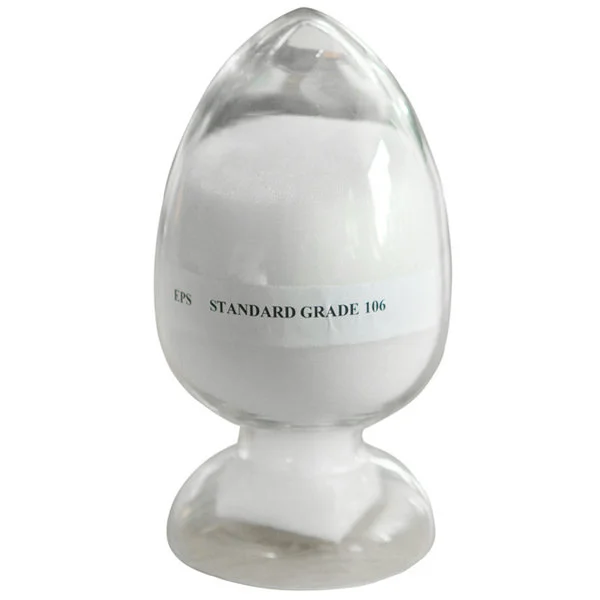
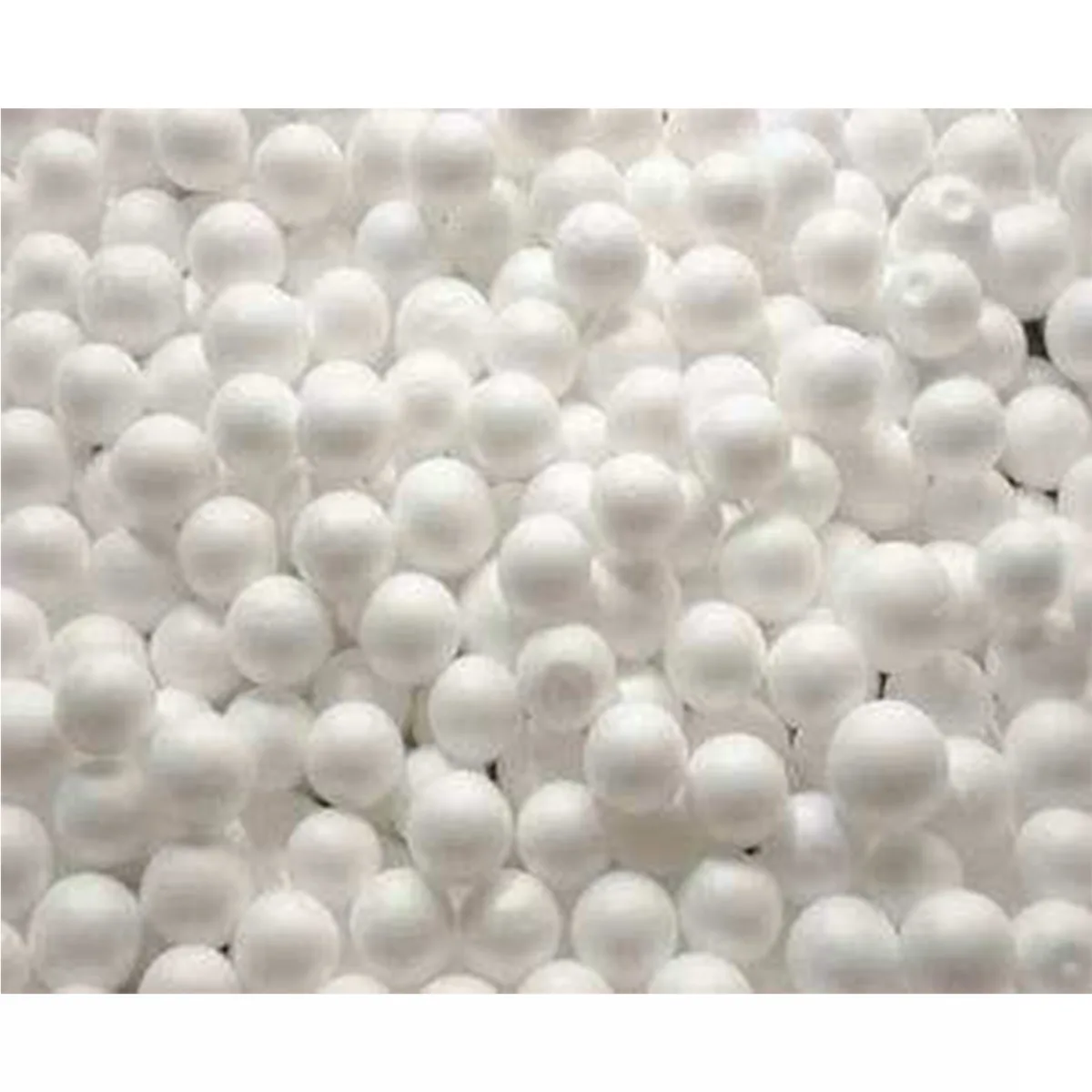
EPS starts as solid polystyrene beads impregnated with a blowing agent (typically pentane). During pre-expansion, steam heats the beads to 80–110 °C, vaporizing the pentane and inflating the beads up to 50 times their original volume. The resulting cells are closed, roughly spherical, and filled with air once the pentane diffuses out over 24–48 hours of aging. EPS is a thermoset-like thermoplastic: while technically thermoplastic, the fused-bead structure does not re-melt into a uniform phase easily, making it effectively a single-use material in most recycling streams.
EPP — Expanded Polypropylene
EPP uses polypropylene copolymer beads expanded under high-pressure steam (typically 3–6 bar). The cell walls are thicker and more resilient than those of EPS because polypropylene is inherently tougher and more flexible than polystyrene. Crucially, EPP is a true thermoplastic: it can be re-melted, re-expanded, and recycled in closed-loop systems, which is increasingly important for automotive OEMs chasing sustainability targets.
ETPU — Expanded Thermoplastic Polyurethane
ETPU is the newest entrant in the commercial foam space, popularized by Adidas Boost midsoles but now expanding rapidly into industrial applications. TPU pellets are expanded using supercritical CO2 or nitrogen in an autoclave process, producing highly elastic beads with exceptional energy return. The cell structure is finer and more uniform than EPS or EPP, with cell sizes typically in the 50–150 μm range compared to 200–500 μm for EPS.
2. Mechanical Properties Comparison
The following table summarizes the key mechanical properties at typical production densities. Note that all three foams can be produced across a range of densities; the values below represent the most common commercial grades.
| Property | EPS | EPP | ETPU |
|---|---|---|---|
| Typical Density Range (kg/m³) | 10 – 35 | 20 – 120 | 150 – 300 |
| Compressive Strength at 10% (kPa) | 50 – 200 | 30 – 800 | 100 – 500 |
| Energy Absorption (single impact) | Good | Very Good | Excellent |
| Energy Absorption (repeated impact) | Poor — fractures | Excellent — recovers >90% | Excellent — recovers >95% |
| Tensile Strength (kPa) | 150 – 400 | 300 – 1,200 | 500 – 2,000 |
| Elongation at Break (%) | 2 – 5 | 10 – 40 | 100 – 300 |
| Thermal Conductivity (W/m·K) | 0.030 – 0.038 | 0.034 – 0.045 | 0.040 – 0.060 |
| Max Service Temperature (°C) | 80 | 130 | 100 |
| Chemical Resistance | Poor (solvents) | Good | Excellent (oils, greases) |
What the Numbers Mean in Practice
EPS wins on thermal insulation and ultra-low density — making it the default choice for construction insulation boards, cold-chain packaging, and disposable protective packaging where single-impact protection is sufficient. Its brittleness, however, means it fractures upon repeated loading.
EPP excels in multi-impact scenarios. An EPP automotive bumper core can absorb a 5 mph parking-lot collision and recover its shape for the next one. Its broader density range also allows engineers to dial in specific stiffness targets, from soft seat cushions to rigid structural cores.
ETPU delivers the highest energy return of any commercial foam, which is why the sports footwear industry adopted it so aggressively. Its rubber-like elasticity, chemical resistance, and fatigue life make it increasingly attractive for industrial vibration-damping components, gaskets, and wearable protective equipment.
3. Thermal Properties and Insulation Performance
For construction and cold-chain applications, thermal conductivity is often the deciding factor. EPS, with a thermal conductivity as low as 0.030 W/m·K at 15 kg/m³ density, remains the most cost-effective insulation foam per R-value dollar. EPP is roughly 15–25% less thermally efficient than EPS at equivalent thicknesses, which generally rules it out for primary insulation in walls and roofs unless its mechanical advantages are also needed. ETPU is the least thermally efficient of the three and is rarely specified for insulation purposes.
However, EPP has an important thermal advantage: its higher service temperature (130 °C vs. 80 °C for EPS) makes it suitable for under-hood automotive insulation, HVAC ducting, and applications near heat sources where EPS would soften or deform.
4. Cost Comparison
Cost must be evaluated at three levels: raw material, processing, and total part cost. The table below provides representative 2025–2026 pricing for the Chinese manufacturing market.
| Cost Factor | EPS | EPP | ETPU |
|---|---|---|---|
| Raw Bead Price (USD/kg) | $1.00 – $1.40 | $2.50 – $4.00 | $6.00 – $12.00 |
| Processing Equipment Investment | Low – Medium | Medium – High | High |
| Energy Cost per m³ of Finished Foam | Low | Medium (higher steam pressure) | High (autoclave process) |
| Mold Cost | Low (aluminum) | Medium (steel, tighter tolerances) | High (precision steel) |
| Typical Part Cost Index (EPS = 1.0) | 1.0 | 2.5 – 4.0 | 6.0 – 10.0 |
The cost gap narrows significantly when you factor in lifecycle cost. An EPP automotive component that survives 10 years of service without replacement may be cheaper over its life than an EPS part that requires replacement after a single impact event. Similarly, ETPU shoe midsoles that maintain cushioning over 800 km of running represent better value than EVA foams that compress permanently after 300 km.
5. Application Matrix
The following matrix maps each material to its strongest application areas, rated from not recommended (–) through acceptable (•) to ideal (☆).
| Application | EPS | EPP | ETPU |
|---|---|---|---|
| Building Insulation Boards | ☆ | • | – |
| Cold-Chain / Food Packaging | ☆ | • | – |
| Consumer Electronics Packaging | ☆ | ☆ | – |
| Automotive Bumper Cores | – | ☆ | • |
| Automotive Seat Cores | – | ☆ | • |
| Sports Helmets | • | ☆ | ☆ |
| Athletic Footwear Midsoles | – | – | ☆ |
| Industrial Vibration Damping | – | • | ☆ |
| Reusable Transit Packaging | – | ☆ | • |
| Decorative Moldings / Cornices | ☆ | – | – |
| Geofoam / Civil Engineering | ☆ | – | – |
6. Processing Equipment Differences
The machinery required to produce each material differs substantially — a critical consideration for factory owners evaluating production line investments. ChinaEps manufactures complete production lines for both EPS and EPP processing. You can explore the full range of equipment on our products page.
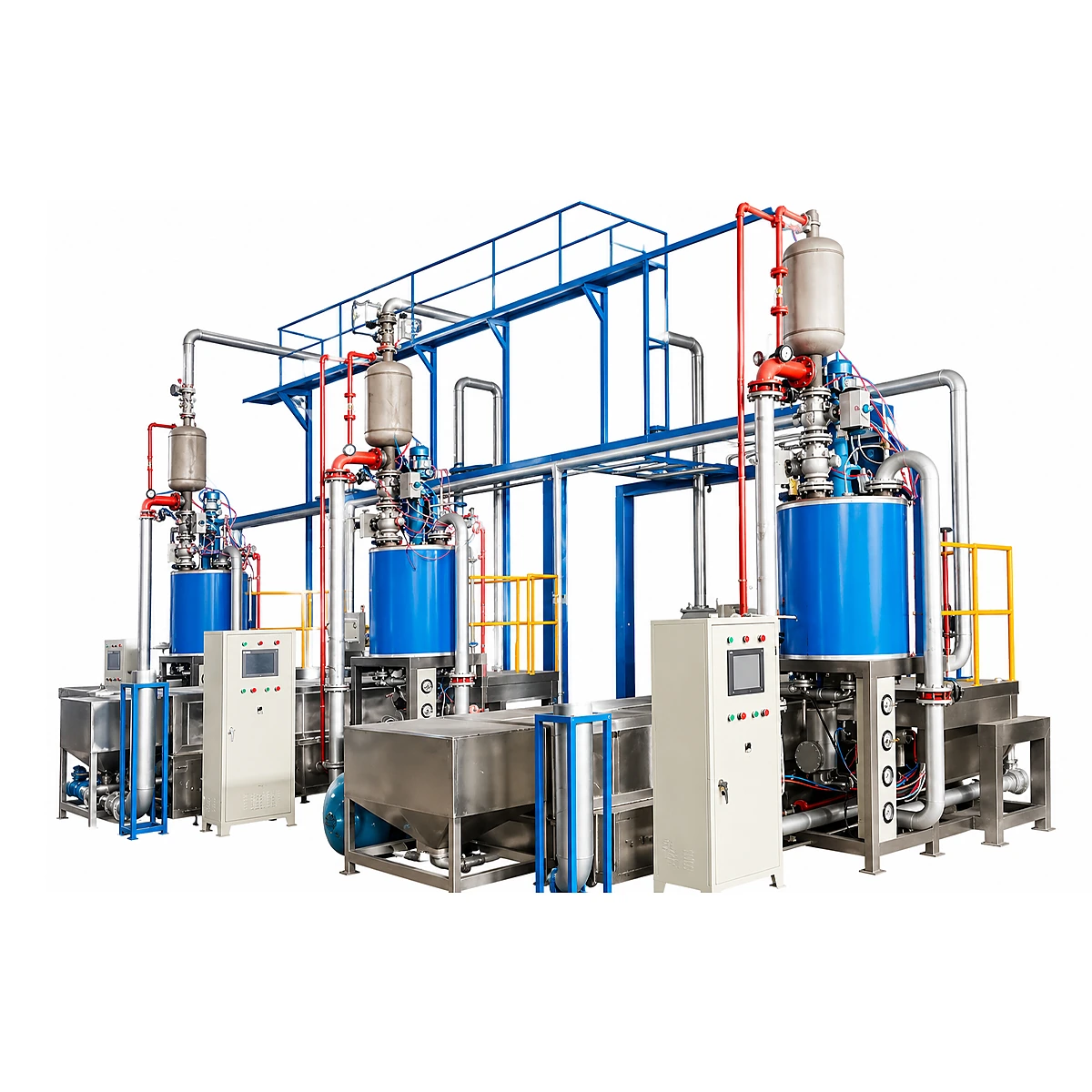
EPS Processing Line
- Pre-Expander: Batch or continuous pre-expander using low-pressure steam (0.5–1.0 bar) to expand raw beads to target density.
- Aging Silos: Expanded beads rest for 12–48 hours to allow pentane diffusion and internal pressure stabilization.
- Block Molding Machine: Beads are fed into a large rectangular mold, fused with steam, and cooled under vacuum to form large blocks (typically 1.0 × 1.2 × 4–6 m).
- Block Cutting Line: Hot-wire or CNC cutting systems slice blocks into boards, sheets, or custom shapes.
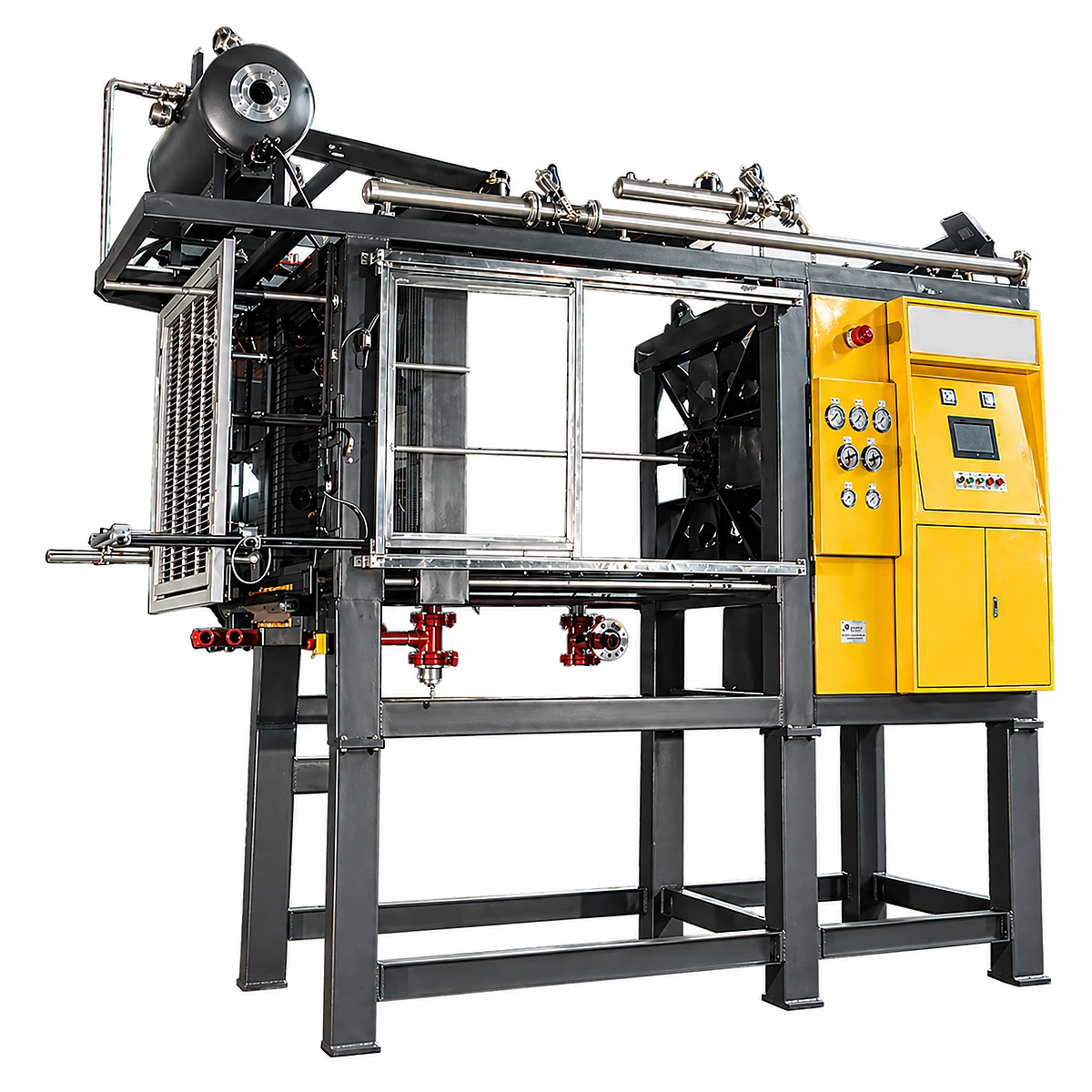
- Shape Molding Machine: For custom-shaped parts (packaging inserts, helmets, decorative elements), beads are molded directly into final-shape tooling.
EPP Processing Line
- High-Pressure Pre-Expander: EPP requires significantly higher steam pressure (3–6 bar) and often a counter-pressure process in the mold.
- Pressure Aging Tanks: Unlike EPS open-air silos, EPP beads are often aged under controlled air pressure to improve bead quality.
- Shape Molding Machine with Crack-Fill: EPP shape molding uses a specialized crack-filling technique where the mold opens slightly to accept beads, then closes for steam fusion. Machines require higher clamping force and more robust steam systems.
- Autoclave (for some grades): Certain high-density EPP grades require autoclave pre-expansion rather than continuous steam expansion.
ETPU Processing Line
- Autoclave Expansion: TPU pellets are loaded into a high-pressure autoclave, saturated with supercritical CO2 or N2 at 150–200 bar and 150–180 °C, then rapidly depressurized to foam the beads.
- Steam Chest Molding: Expanded ETPU beads are molded using steam (typically 1.5–2.5 bar) in precision steel molds. Because ETPU beads are elastic and compressible, specialized filling systems are needed to achieve uniform density.
- Post-Curing Oven: ETPU parts often require post-curing at 80–100 °C for several hours to stabilize dimensional accuracy and mechanical properties.
For manufacturers entering the foam market or expanding their material capabilities, ChinaEps offers complete production line solutions with integrated engineering support, from factory layout planning through commissioning and operator training.
7. Decision Framework: Choosing the Right Material
Use this step-by-step framework to narrow your material selection:
- Define the primary performance requirement. Is it thermal insulation, single-impact protection, multi-impact resilience, or elastic energy return? This alone often points to one material.
- Determine the operating temperature range. If the part will see temperatures above 80 °C, EPS is eliminated. Above 130 °C, all three bead foams are problematic and you may need alternative materials.
- Assess chemical exposure. Contact with solvents, fuels, or oils rules out EPS. ETPU handles the widest chemical spectrum.
- Calculate lifecycle cost, not just unit cost. Include replacement frequency, recyclability value, and warranty claims. EPP and ETPU often win on lifecycle cost despite higher unit cost.
- Evaluate production volumes. EPS tooling is the cheapest, making it ideal for low-to-medium volume custom shapes. EPP and ETPU tooling costs are higher but amortize well at automotive-scale volumes (50,000+ parts/year).
- Check regulatory and sustainability requirements. EPP is the most recyclable of the three. ETPU is gaining recyclability through chemical recycling pathways. EPS recycling infrastructure varies significantly by region.
Need help choosing between EPS and EPP equipment?
ChinaEps manufactures production lines for both EPS and EPP foam. Tell us your target application and volume — we’ll recommend the right material and machine configuration. Get a free material & equipment assessment →
8. Sustainability and Recyclability Outlook
Environmental regulations are reshaping material selection, particularly in the European Union and North American markets. Here is how each foam stands:
- EPS: Mechanically recyclable where collection infrastructure exists. Many jurisdictions are restricting single-use EPS food packaging but continue to permit EPS in construction (where it serves a long-term insulation function). Advances in chemical recycling (depolymerization back to styrene monomer) are improving the outlook.
- EPP: The strongest recycling story of the three. EPP can be ground, re-melted, and re-molded in a true closed loop. Major automotive manufacturers are implementing take-back programs. EPP is not subject to the same regulatory restrictions as EPS food packaging.
- ETPU: Recycling infrastructure is nascent but developing. Chemical recycling back to polyols and isocyanates is technically feasible. The durability of ETPU products (long service life) partially offsets the recycling challenge.
9. Hybrid and Emerging Approaches
The market is also seeing hybrid solutions. Some automotive designs use an EPP structural core with ETPU comfort layers in seating applications. In packaging, EPP reusable crates with EPS insulation inserts combine the durability of EPP with the thermal performance of EPS. For manufacturers with the right equipment, offering multi-material solutions opens significant market differentiation.
If you are evaluating equipment that can handle multiple foam types, contact our engineering team to discuss flexible production line configurations.
Conclusion
There is no universally "best" foam — only the best foam for a specific application. EPS dominates on cost and thermal insulation. EPP wins on durability, multi-impact performance, and recyclability. ETPU leads on elasticity, energy return, and chemical resistance. Your selection should be driven by the application requirements, lifecycle economics, and the regulatory environment in your target market.
For guidance on the processing equipment needed for any of these materials, explore ChinaEps's full machinery catalog or review our turnkey production line solutions. If you would like a detailed comparison tailored to your specific product, our engineering team is available for consultation via the contact page.
Frequently Asked Questions
Can the same machine produce both EPS and EPP?
In most cases, no. EPP requires significantly higher steam pressure (3–6 bar vs. 0.5–1.0 bar for EPS), different filling techniques (crack-fill molding), and more robust clamping systems. Some modern shape molding machines can be configured to handle both materials with modifications, but dedicated lines are recommended for optimal quality and throughput. Consult ChinaEps for dual-material line configurations.
Is ETPU worth the higher cost for packaging applications?
For single-use or limited-reuse packaging, ETPU is generally not cost-justified. Its advantages — elasticity, energy return, and chemical resistance — are most valuable in products with long service lives or demanding mechanical requirements. For reusable packaging that must survive hundreds of shipping cycles, ETPU may justify its premium over EPP, but a detailed lifecycle cost analysis is essential.
Which foam has the best fire resistance?
None of these foams is inherently fire-resistant. EPS is available with flame-retardant additives (EPS-FR) that achieve Class B or Class E fire ratings under EN 13501. EPP can also be formulated with flame retardants. ETPU has inherently better thermal stability than EPS but still requires flame-retardant formulations for fire-critical applications. Fire performance depends heavily on the specific formulation, density, and application context.
What is the minimum order quantity for starting an EPS or EPP production line?
ChinaEps supplies complete production lines ranging from small-scale starter configurations to high-capacity industrial lines. There is no minimum order quantity for raw materials to discuss — that is between you and your bead supplier. For machinery, a basic EPS block molding line can be configured for as little as $80,000–$150,000 depending on capacity requirements. Visit our product catalog for detailed specifications.
EPP foam density: what is the typical range?
EPP foam density typically ranges from 20 to 120 kg/m³, one of the widest usable density windows of any moulded bead foam. Low-density EPP around 20–45 kg/m³ is used for lightweight packaging and returnable dunnage, mid-density EPP of 45–80 kg/m³ suits automotive bumper cores and seat components, and high-density EPP above 80 kg/m³ is specified for structural and load-bearing parts. Because density is set during pre-expansion, EPP density is directly tunable by controlling steam pressure and residence time — a flexibility EPS cannot match. See our EPP foam density guide for the full density-by-application table, and our EPP manufacturing process guide for how EPP density targets are dialled in on the production line.
How does foam density affect the choice between EPS, EPP, and ETPU?
Density is a critical factor. If your application requires very low density (below 20 kg/m³), EPS is typically the only practical choice, as EPP and ETPU are difficult to expand to such low densities while maintaining structural integrity. For medium densities (20–60 kg/m³), both EPS and EPP are viable, and the decision shifts to mechanical requirements. For high-density applications (above 60 kg/m³), EPP and ETPU offer significantly better performance than EPS.
Are there environmental regulations that might restrict any of these materials in the near future?
Single-use EPS food packaging faces restrictions in parts of Europe, several US states, and some Asian markets. However, EPS for construction and industrial applications is not under the same regulatory pressure. EPP faces the fewest regulatory risks due to its excellent recyclability. ETPU is too new and too niche to be a regulatory target currently. Manufacturers should monitor local regulations in their target export markets and consider material flexibility in their production planning.
Sources & Further Reading
- ASTM C578 Standard for Rigid Cellular Polystyrene
- EUMEPS European EPS Industry Association
- EPRO Plastics Recycling Europe
Related Reading
- The EPP Manufacturing Process: 6 Stages and the 8 Main Tools in EPP Production — Extended reading in the same cluster.
- EPP vs EPS Foam: How to Choose the Right Material — Extended reading in the same cluster.
- EPE vs EPS Foam: Differences, Sheets and Cost — Adds the fourth foam, soft expanded polyethylene, with water, temperature, solvent and fire comparisons.