Global EPS (expandable polystyrene) supply chains face a double disruption in 2026: BASF officially closes its Ulsan, South Korea polystyrene plant in June 2026, removing one of Asia's largest EPS resin production sources, while Nigeria's federal EPA enforces a complete EPS packaging ban starting January 2027. For shape-molding factories, cold-chain packaging producers, and insulation board manufacturers, these two events compound into a real procurement risk: shrinking raw bead supply on one side, market-access loss on the other. This guide explains what each policy means, the realistic 12-month impact on EPS prices and availability, and the practical sourcing + product-mix moves manufacturers can make right now.
BASF Closes Ulsan EPS Production (June 2026): What It Means for Asian Supply
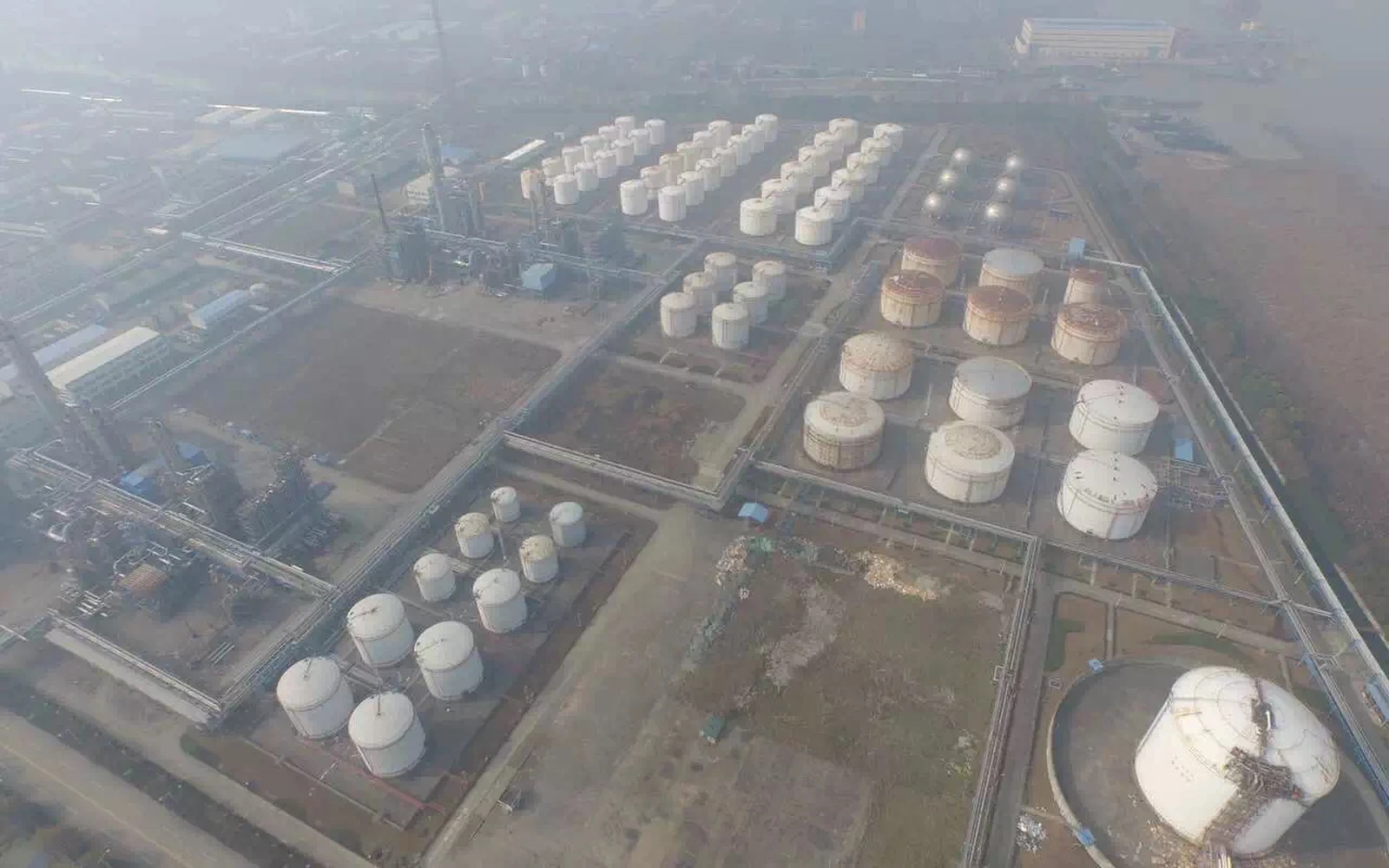
On June 10, 2026, BASF SE announced the closure of expandable polystyrene production at its Ulsan plastics site in South Korea. The site had been a major regional supplier of Styropor®-branded EPS resin into Asian and Middle Eastern markets for over three decades. BASF's official statement cited unfavorable market dynamics and structural overcapacity in Asia as drivers — but the practical effect for downstream factories is immediate:
- Approximately 200,000+ metric tons of annual EPS resin capacity exits the Asian-Pacific supply pool when Ulsan closes.
- Korean, Japanese, and Southeast Asian buyers who previously sourced Styropor® locally must now switch to Chinese, Indian, or remaining European/Middle East producers — typically with longer lead times and freight surcharges.
- Specialty grades (flame-retardant, graphite-modified, low-pentane) historically supplied by BASF face the tightest reshuffling, since these are not commodity grades and require qualified second-source approval from end-customers (especially in automotive and building insulation).
For factories that purchased BASF Styropor®, the practical timeline is:
- July–September 2026: Last shipments from existing Ulsan inventory clear customs into customer warehouses. Most direct buyers should already have notified their procurement teams by mid-June.
- October–December 2026: Switching costs hit. Replacement bead qualification (laboratory testing, trial molding runs, customer re-certification) typically takes 6–12 weeks per grade per end-product. Production-line factories should budget 2–3 months of disrupted material flow.
- 2027 onward: Settled second-source landscape. Most Asian buyers will land on Chinese producers (Sinopec, Loyal, ChinaEps, regional manufacturers) and a smaller share on Versalis, Synthos, or Sunpor — at higher landed cost due to freight.
Nigeria 2027 EPS Ban: Market-Access Loss for West Africa Exporters
Separately, the Nigerian Federal Ministry of Environment, through its EPA (Environmental Protection Agency), has confirmed a full ban on single-use expandable polystyrene packaging — including food containers, plates, cups, and shape-molded insert packaging — taking effect January 1, 2027. The policy follows similar moves in Kenya, Rwanda, and parts of Ghana, and is part of a broader West Africa push to reduce non-biodegradable plastics in municipal waste.
The Nigeria ban affects two distinct buyer segments differently:
- EPS shape-molding factories selling into Nigeria: Most-affected. Cup, plate, and food-tray molders that export to Lagos, Port Harcourt, or Abuja must pivot to other regional markets (Ghana excluding EPS-banned states, Côte d'Ivoire, Senegal) or transition product lines toward EPP, paper pulp, or PLA bioplastic alternatives. This is a 12–18 month re-tooling cycle for most factories.
- EPS insulation board and ICF (insulating concrete form) producers: Less affected. Construction-grade EPS is generally exempt from the food-packaging ban, since it is permanently installed in building envelopes and not classified as single-use waste. Insulation buyers should verify their specific product classification with the Nigerian Standards Organisation (SON) before shipping new orders.
For factories outside Nigeria — particularly Asian and Chinese exporters — the ban accelerates a trend that was already visible across West Africa over 2024–2025: rising demand for compostable / biodegradable food packaging alternatives, declining EPS food-tray order volume, and growing interest in shape-molding equipment that can also run EPP or PLA-modified bead grades.
Combined Impact: Why These Two Events Compound
Looked at separately, the BASF Ulsan closure is a supply-side event and the Nigeria ban is a demand-side event. But for the global EPS supply chain, they compound in ways that procurement managers should plan for:
- Supply tightening + demand reshuffling = sharper price volatility on remaining bead grades through Q4 2026 and Q1 2027. Expect 8–15% spot-price swings on FR-graphite and standard EPS grades depending on shipping region.
- Specialty grade scarcity: Both events disproportionately affect specialty grades — BASF was a major flame-retardant and graphite EPS supplier, and the Nigeria ban pushes formula-development pressure toward low-pentane and biodegradable bead types. Specialty buyers should lock in 12-month contracts before October 2026.
- Geographic risk concentration: Asian buyers replacing BASF Styropor® with Chinese-origin beads simultaneously face West African market loss. Diversification — both supply-side (multiple bead vendors) and demand-side (multiple export markets) — becomes a core 2027 procurement priority, not a nice-to-have.
What EPS Manufacturers and Buyers Should Do Now
1. Qualify a Second Source Before October 2026
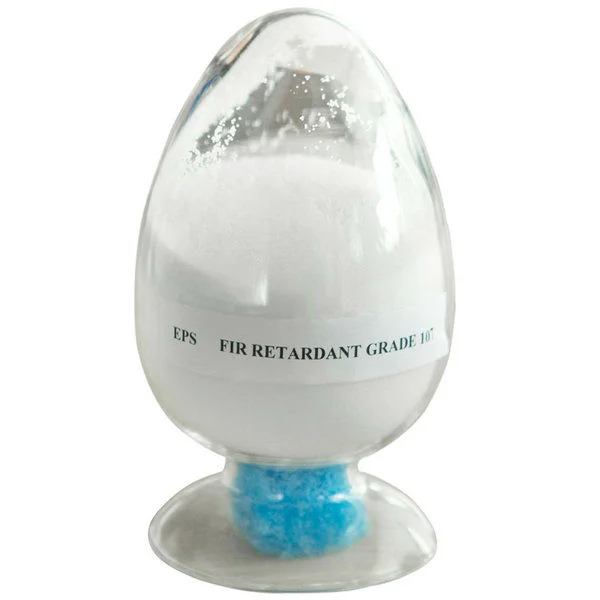
If your production line uses BASF Styropor® bead today, start qualification trials on Chinese-origin equivalent grades immediately. ChinaEps F-grade flame-retardant beads meet the same Oxygen Index ≥30 and reduced styrene monomer ≤2000 ppm specifications, and HF-grade graphite EPS resin achieves the same 0.030–0.032 W/m·K thermal conductivity range as Neopor® P-grade. Plan 8–12 weeks for trial runs, customer re-certification, and contract signing.
2. Reduce Density-Grade SKU Count via In-House Re-Expansion
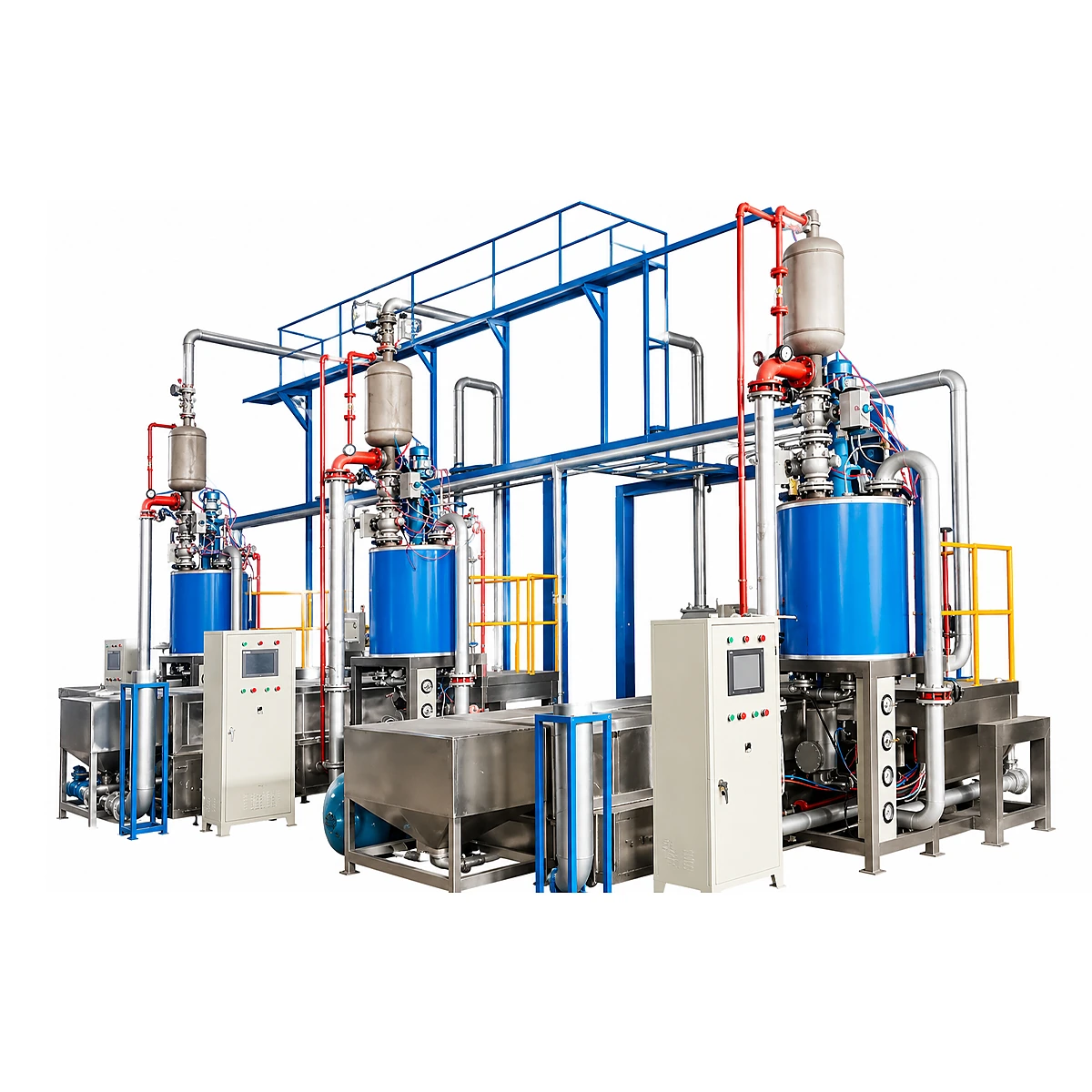
Factories currently buying 4–6 separate density grades from multiple suppliers can reduce supplier dependency by adopting in-house re-expansion equipment. A SPEPP-2F secondary foaming line in the Shape Molder Edition lets you buy a single density bead grade and adjust output density 18–50 g/L per molding order — cutting raw material SKU count by 60–70%. This is especially relevant for EPP shape molders facing similar global supply tightening.
3. Pivot Product Mix Toward Insulation, Away from Food Packaging
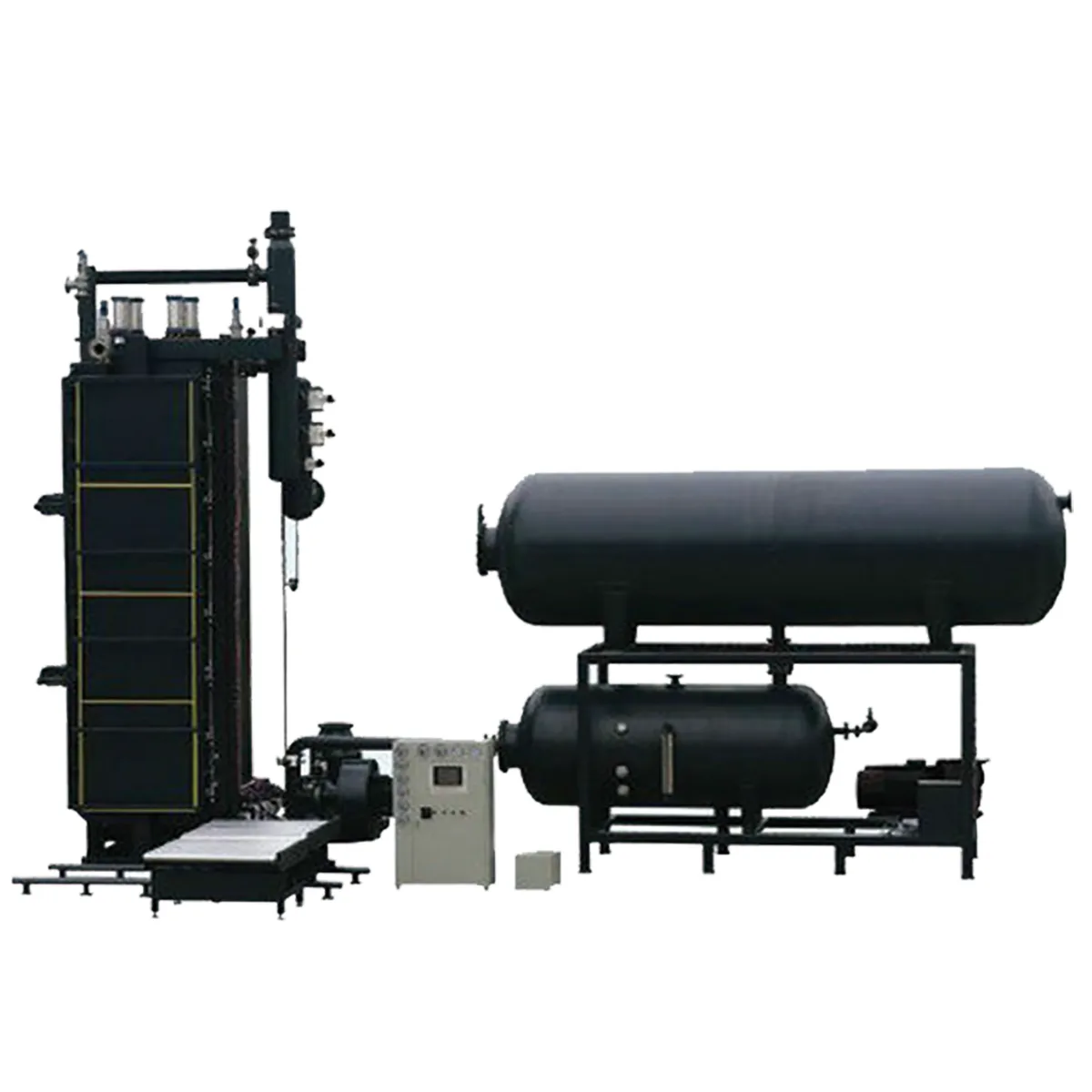
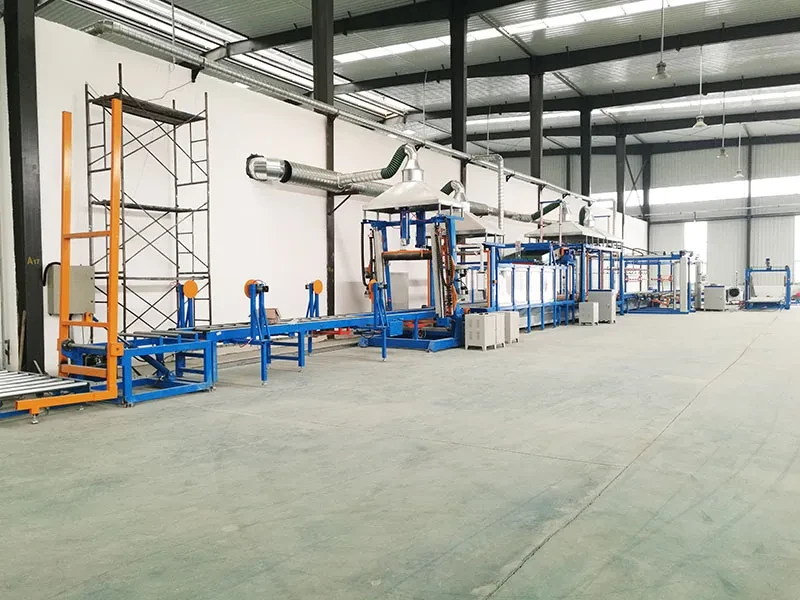
For factories with high single-use EPS food-tray exposure to West Africa, evaluate retooling toward construction insulation (where EPS is generally exempt from packaging bans). EPS insulation board production using block molding (SPB-S/SPB-LZ) + cutting lines (SPQ-FR / SPQ-A) targets the construction insulation segment, which has stable 5-year demand growth in Europe (Passivhaus retrofit), South Asia (Indian high-rise insulation), and Latin America (cold-chain warehouse panels).
4. Lock In Multi-Year Raw Material Contracts
Given the supply-side tightening through Q1 2027, buyers with predictable annual volume should negotiate 12–18 month fixed-volume contracts now, even at slightly above current spot pricing. The disruption window between BASF Ulsan closure (June 2026) and full replacement-source stabilization (Q2 2027) is approximately 9–12 months — during which spot pricing will be volatile.
5. Diversify Export Markets to Reduce Single-Country Risk
Nigeria is not the only West African country tightening EPS packaging rules. Kenya (already banned EPS in 2021), Rwanda, Tanzania, and parts of Ghana have similar policies in various stages of enforcement. Exporters with heavy single-country dependency should map their 2026–2027 export pipeline, identify the 2–3 markets with highest food-packaging EPS demand stability (Egypt, Morocco, South Africa selectively), and pursue active sales development in those regions.
Conclusion: Plan for Disruption, Not Panic
Neither the BASF Ulsan closure nor the Nigeria 2027 ban is an existential threat to the global EPS industry — both are signals of structural rebalancing that has been forecast since 2023. The factories that come out of 2027 stronger will be the ones that:
- Diversified raw material sources before the BASF transition window closed.
- Re-allocated production mix away from food packaging and toward construction insulation.
- Invested in in-house re-expansion to reduce SKU count and supply-chain complexity.
- Built 2–3 new export markets to replace any single-country loss.
ChinaEps supplies the full equipment stack — pre-expanders, block molding, shape molding, cutting lines, recycling systems, and 6 EPS bead grades (E / P / F / B / L / HF) — and can support both equipment-side qualification (replacing imported Korean/European machinery) and material-side qualification (replacing BASF Styropor® with verified ChinaEps grades). Contact us for technical data sheets, lead times, and a custom quotation for your 2027 supply continuity plan.
Related Reading
- Low-Pentane EPS Beads for REACH & IED Compliance: Spec & Sourcing Guide — Extended reading in the same cluster.