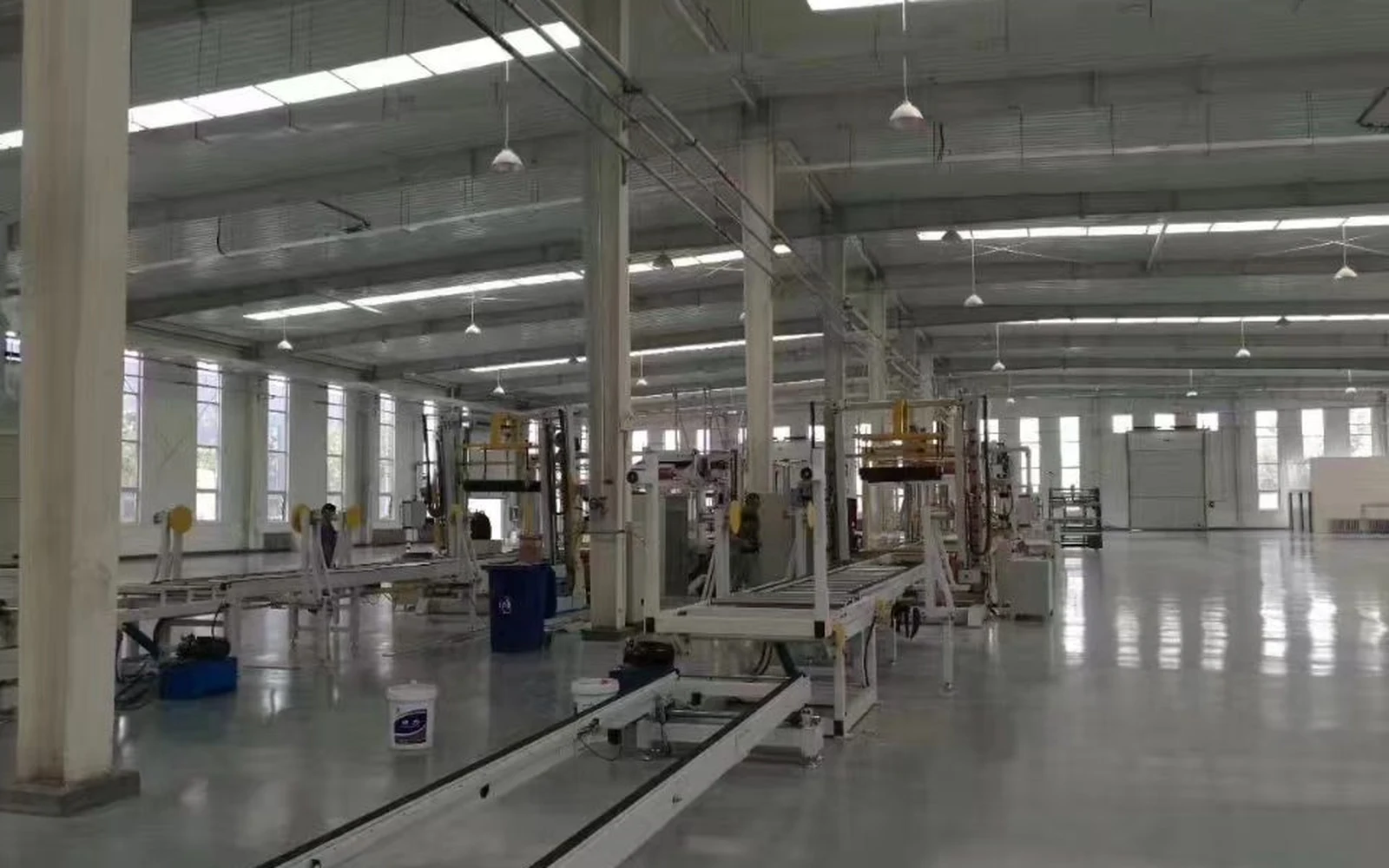
Setting up an EPS factory requires $150,000–$500,000+ in equipment investment depending on product focus (packaging, insulation, or ICF blocks), plus 6–12 months of planning. A typical block molding line for insulation boards starts at $120,000–$200,000; a shape molding line for custom packaging starts at $180,000–$350,000. With gross margins of 35–55% on finished EPS products, most factories achieve full ROI payback within 18–30 months at 60%+ capacity utilization. (See detailed ROI calculations →)
Beyond equipment, a credible EPS factory build plans for compliance from day one: an ISO 9001 quality-management framework that export buyers expect, plus machine-guarding provisions on every moving station for worker safety.
The global EPS (Expanded Polystyrene) market continues to expand at a robust pace, driven by surging demand across construction insulation, protective packaging, cold chain logistics, and infrastructure development. Industry analysts project the worldwide EPS market to exceed Contact us for pricing billion by 2028, with emerging economies in Southeast Asia, Africa, the Middle East, and Latin America leading growth. For entrepreneurs and industrial investors evaluating new manufacturing opportunities, setting up an EPS factory represents a compelling proposition: proven technology, strong margins, growing end-markets, and relatively manageable capital requirements compared to other plastics manufacturing sectors.
Whether you are planning to produce EPS insulation boards for the construction sector, molded packaging for electronics and appliances, or ICF (Insulated Concrete Forms) for modern building systems, this comprehensive guide walks you through every step of EPS production line planning — from initial market analysis to ROI expectations. By the end, you will have a clear roadmap to set up an EPS factory that is efficient, profitable, and built to scale.
Step 1: Market Analysis and Product Selection
Before purchasing any equipment, the most critical step in EPS production line planning is understanding your target market. EPS products serve fundamentally different industries, and each demands different machinery configurations, raw material grades, and production capabilities.
Primary EPS Product Categories
EPS Block and Sheet Production (Construction Insulation): This is the largest volume segment globally. EPS blocks are produced in large block molding machines, then cut into sheets of various thicknesses using hot-wire cutting machines. These sheets are used for wall insulation, roof insulation, floor insulation, and EIFS (External Insulation and Finish Systems). Demand is particularly strong in Europe (driven by energy efficiency regulations), the Middle East (new construction boom), and Asia-Pacific (urbanization).
Shape Molding (Packaging and Specialty Products): Shape molding machines produce custom-shaped EPS parts directly from molds — packaging inserts for electronics and appliances, fish boxes for seafood transport, cooler boxes, helmets, decorative moldings, and more. This segment offers higher margins per kilogram but requires investment in custom molds for each product. Markets with strong electronics manufacturing, seafood processing, or cold chain logistics are ideal.
ICF (Insulated Concrete Forms): ICF blocks are hollow EPS forms that are stacked and then filled with concrete, creating insulated walls in a single construction step. This is a rapidly growing niche in North America, Europe, and parts of Asia. ICF production requires specialized shape molding machines and proprietary mold designs.
Regional Demand Considerations
Middle East and North Africa: Construction insulation is the dominant application, driven by energy codes and massive building programs. EPS blocks and sheets are in high demand. Shape molding for packaging is a secondary market.
Southeast Asia: Packaging is the leading application, serving electronics manufacturing hubs. Fish boxes for the seafood industry are also significant. Construction insulation is growing but still secondary.
Sub-Saharan Africa: Construction and packaging demand are both growing rapidly from a low base. There is often limited local EPS production, creating an import-substitution opportunity.
Latin America: Packaging and construction insulation share roughly equal importance. ICF is a growing niche in countries with seismic requirements.
Europe and North America: These are mature markets with established players, but demand continues to grow due to tightening energy efficiency standards. New entrants typically focus on niche applications or regional markets underserved by existing producers.
Your product selection directly determines your equipment list, factory layout, investment budget, and staffing plan. We strongly recommend conducting a formal market study or at minimum, surveying potential customers in your region before finalizing your production plan.
Step 2: Factory Space Requirements
EPS manufacturing requires more floor space than many other plastics processes because the product itself is voluminous (EPS is 95-98% air) and the production line includes multiple sequential stages. Proper factory layout planning is essential to ensure smooth material flow, safe operations, and room for future expansion.
Factory Size by Production Scale
| Parameter | Small Factory | Medium Factory | Large Factory |
|---|---|---|---|
| Block Output | 50–100 m³/day | 150–300 m³/day | 400–800+ m³/day |
| Total Building Area | 800–1,500 m² | 2,000–4,000 m² | 5,000–10,000+ m² |
| Minimum Ceiling Height | 6 m | 8 m | 8–10 m |
| Aging Silo Area | 200–400 m² | 500–1,200 m² | 1,500–3,000 m² |
| Raw Material Storage | 100 m² | 200–400 m² | 500–1,000 m² |
| Finished Goods Storage | 200–400 m² | 500–1,000 m² | 1,500–3,000 m² |
| Land Area (incl. yard) | 2,000–3,000 m² | 5,000–8,000 m² | 10,000–20,000+ m² |
Layout Planning Principles
Linear material flow: The production process should follow a logical sequence — raw material storage → pre-expansion → aging silos → block molding → cutting → finished goods storage. Avoid layouts that require backtracking or cross-traffic of forklifts and personnel.
Ceiling height: The aging silos and block molding machines are the tallest elements in the production line. Silos typically require 5–7 meters of clear height, and block molding machines require 4–6 meters depending on model. A minimum of 6 meters clear height is recommended for small operations; 8–10 meters for medium and large facilities.
Floor loading: Block molding machines and aging silos (when full) impose significant point loads. The factory floor should be reinforced concrete capable of supporting at least 3–5 tonnes per square meter in the machine area. Consult with a structural engineer during facility planning.
Utility access: The boiler house should be located adjacent to the production hall to minimize steam pipe runs (every meter of pipe means heat loss). Electrical transformer and main switchgear should be positioned for short cable runs to major loads. Compressed air lines should be looped for consistent pressure.
Fire separation: EPS is a combustible material. Most building codes require fire-rated separation between raw material storage, production areas, and finished goods warehouses. Sprinkler systems may be mandated depending on local regulations.
Expansion planning: If there is any possibility of future capacity expansion, plan for it from the start. It is far more cost-effective to build a larger building shell initially than to add extensions later. Leave space for additional silos, a second block molding machine, or a shape molding line.
Step 3: Core Equipment Selection
The equipment you select forms the backbone of your EPS factory. Each piece must be properly sized and matched to the others to avoid bottlenecks. Below is the complete production line for EPS block production, which is the most common factory configuration.
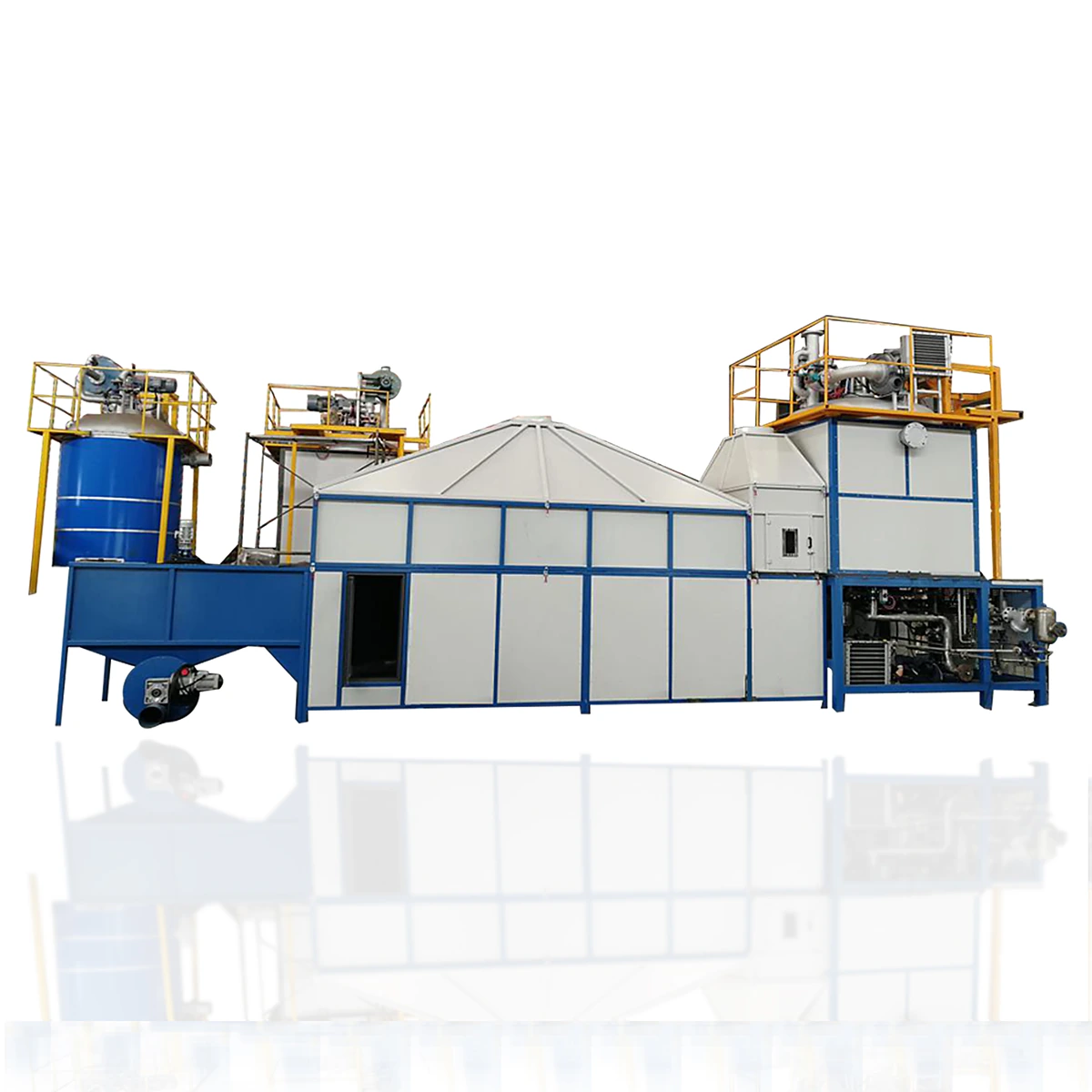
Pre-Expander
The pre-expander is the first machine in the production line. It heats raw EPS beads with steam, causing them to expand from their original density (typically around 630 kg/m³) to the target density (typically 12–25 kg/m³ for most applications). Pre-expanders come in batch and continuous types.
Capacity matching: The pre-expander must produce enough expanded beads to keep the block molding machine running continuously. A common rule of thumb: a pre-expander with 1,500–2,000 kg/hour throughput (at 15 kg/m³ density) can supply one large block molding machine operating at 3–5 minute cycle times. For smaller operations, pre-expanders in the 500–1,000 kg/hour range are typical.
Key selection criteria: Consistent density control (±0.5 kg/m³), low steam consumption, ability to handle multiple EPS raw material grades, and a reliable level sensor system for batch control.
Aging Silos
After pre-expansion, the beads must rest (age) for 6–24 hours to stabilize. During aging, air diffuses into the expanded cells while residual pentane and moisture escape. Proper aging is essential for consistent block quality and dimensional stability.
Sizing formula: Total silo volume required = Daily block output (m³) × Aging time (hours) / 24 × Safety factor (1.2–1.5). For example, if you produce 200 m³ of blocks per day and use a 12-hour aging cycle: 200 × 12/24 × 1.3 = 130 m³ of silo capacity. In practice, factories typically install 1.5–2 times the theoretical minimum to accommodate production fluctuations and different product densities.
Silos are usually fabricated from breathable mesh fabric on steel frames. They are relatively inexpensive but consume significant floor space and height. Pneumatic conveying systems transport beads from the pre-expander to silos and from silos to the block molding machine.
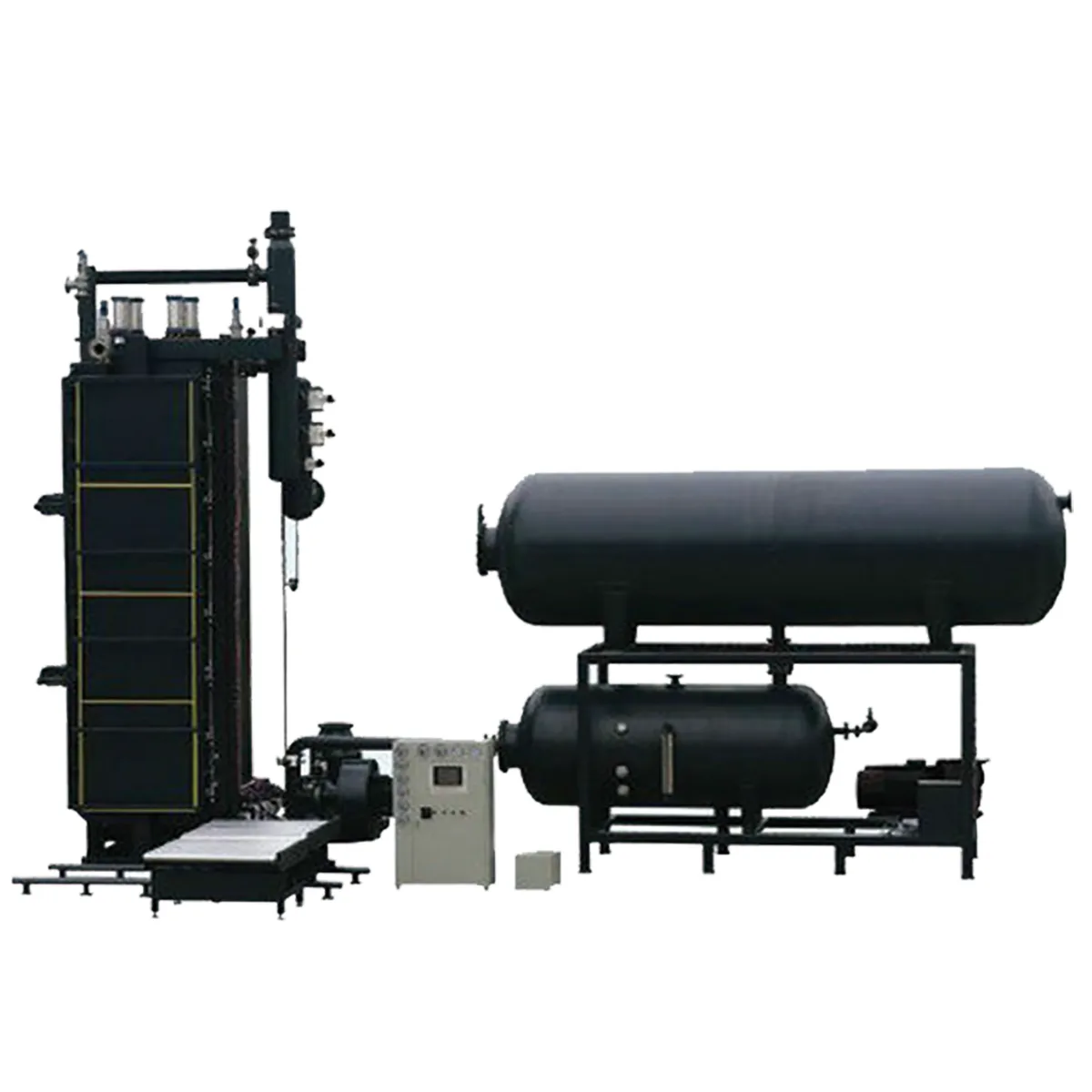
Block Molding Machine
The block molding machine is the heart of an EPS block production line. It fills a large mold cavity with aged beads, fuses them with steam, cools the block, and ejects it. Block sizes typically range from 1,000 × 500 × 500 mm up to 6,000 × 1,200 × 1,000 mm depending on the machine model.
Throughput calculations: Block output = (Block volume × Number of cycles per hour) / 1,000. For a machine producing 4,000 × 1,200 × 1,000 mm blocks at 4 cycles per hour: (4.8 m³ × 4) = 19.2 m³/hour, or approximately 150–190 m³ in a 10-hour production day (accounting for changeover and maintenance time). The actual cycle time depends on block density, machine steam capacity, and cooling method (with vacuum cooling significantly reducing cycle time).
Key selection criteria: Mold cavity size (determines block dimensions), steam chamber design (affects fusion quality and energy efficiency), vacuum cooling capability (reduces cycle time by 30–50%), hydraulic system quality (affects machine longevity), and control system sophistication.
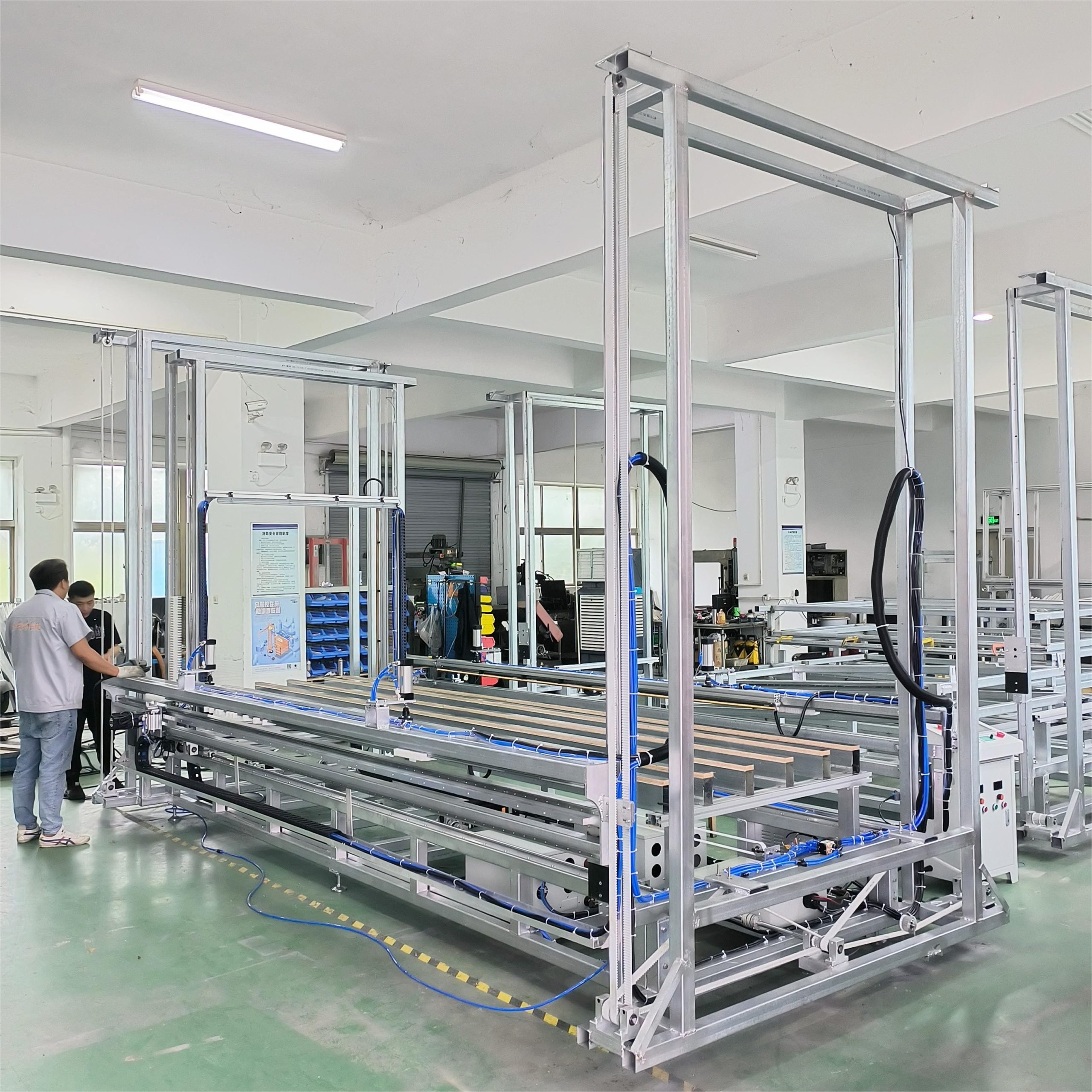
Cutting Machine
After molding and a stabilization period of 1–3 days, EPS blocks are cut into sheets or custom shapes using hot-wire cutting machines. There are several types:
Horizontal cutting machines: Cut blocks into sheets of uniform thickness. These are the most essential cutting machines for insulation board production.
Vertical cutting machines: Trim blocks to precise width and length dimensions.
CNC cutting machines: For complex profiles, architectural shapes, and specialty products. These are optional for basic insulation production but essential for decorative EPS or custom shapes.
Capacity matching: Cutting capacity should match or slightly exceed molding capacity. A single horizontal cutting machine can typically process 100–200 m³ per 8-hour shift depending on the number of cuts per block and sheet thickness.
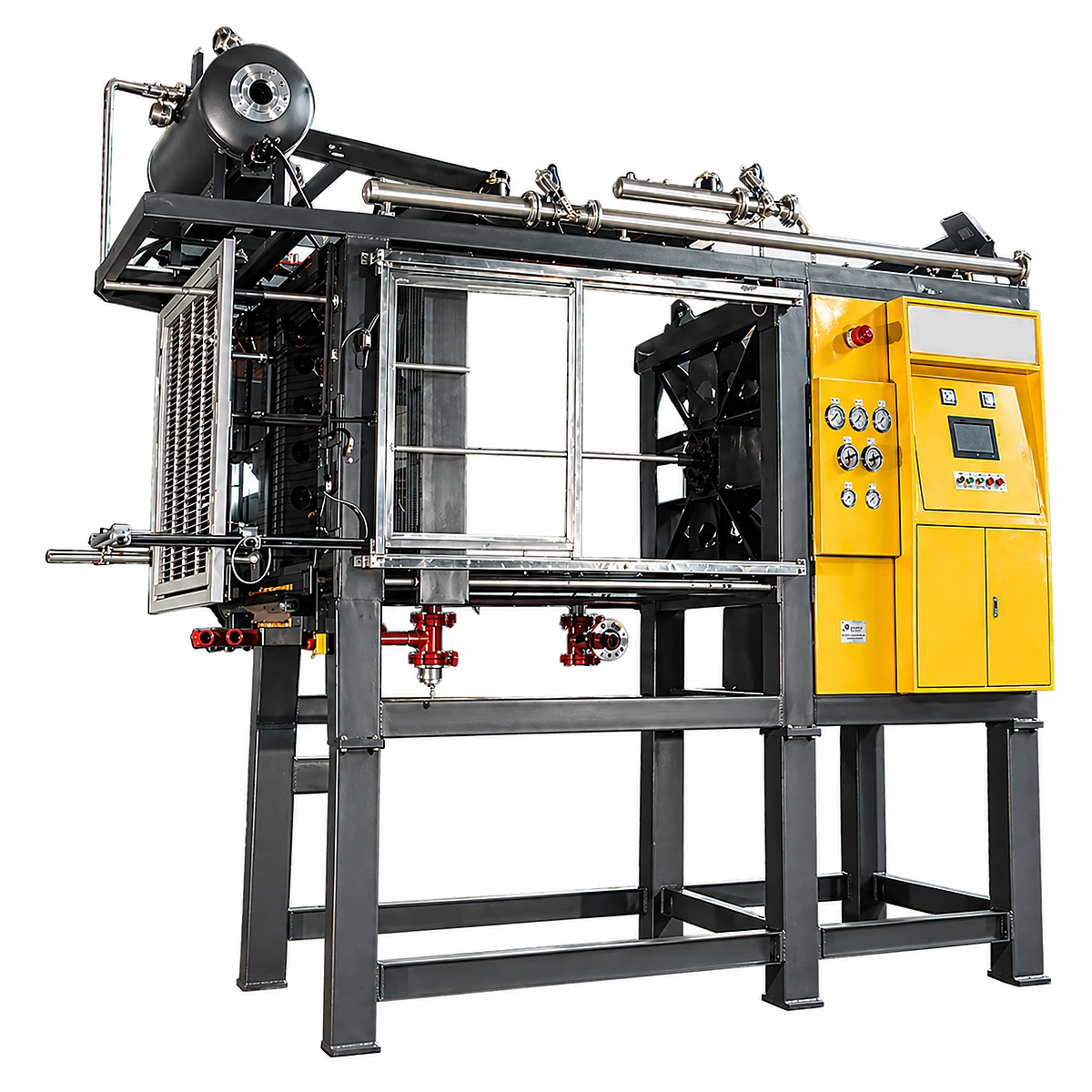
Shape Molding Machine (If Applicable)
If your business plan includes producing custom-shaped EPS products (packaging inserts, fish boxes, ICF blocks, etc.), you will need one or more shape molding machines in addition to or instead of block molding equipment. Shape molding machines produce finished parts directly from molds, eliminating the cutting step for those products. For the highest-volume shape-molded product worldwide, our EPS fish box production line page shows how the pre-expander, aging silos, molder and utility set are sized against each other at 1, 2 and 4-machine scale; for electronics, appliance and automotive work the equivalent high-density build is the EPS packaging production line. Machine-level selection is covered in the shape molding machine buyer's guide.
Recycling System
An EPS production line inevitably generates scrap — edge trims from cutting, rejected blocks, damaged products. A recycling system crushes this scrap and feeds it back into the production process, typically blending 5–15% recycled material with virgin pre-expanded beads. This reduces raw material costs and waste disposal expenses. The recycling crusher should be sized to handle your expected scrap rate (typically 8–15% of total output). When sourcing this equipment, our guide to choosing an EPS recycling machine factory covers what to check before you order from a supplier.
Auxiliary Equipment
Beyond the core production machines, a complete EPS factory requires several auxiliary systems:
- Vacuum system: Vacuum pumps are used for cooling in block and shape molding machines. Properly sized vacuum systems can reduce cycle times by 30–50%.
- Steam distribution system: Headers, valves, traps, and insulated piping to deliver steam from the boiler to all consumption points at consistent pressure.
- Pneumatic conveying system: Blowers, piping, and diverter valves to transport expanded beads between the pre-expander, aging silos, and molding machines.
- Compressed air system: Air compressor and dryer for machine actuators, instrumentation, and blow-off.
- Water treatment and cooling: Cooling tower or chiller for mold cooling water, plus water treatment if local water quality is poor.
Step 4: Utility Requirements
EPS production consumes significant amounts of steam, electricity, compressed air, and water. Accurate utility planning prevents costly under-sizing (which creates production bottlenecks) or over-sizing (which wastes capital and operating costs).
Steam Boiler Sizing
Steam is the primary energy input in EPS production — it is used for pre-expansion, block molding, and shape molding. The boiler is often the single largest utility investment.
Steam consumption formula: Total steam demand (kg/hour) = Steam consumption per m³ of EPS produced (kg/m³) × Hourly production rate (m³/hour). For EPS block production at typical densities (15–20 kg/m³), steam consumption is approximately 25–40 kg of steam per cubic meter of EPS produced. For shape molding, consumption is higher — approximately 40–60 kg per cubic meter — due to smaller cavity sizes and higher surface-to-volume ratios.
Example calculation: A medium factory producing 25 m³/hour of EPS blocks at 30 kg steam/m³ requires 750 kg/hour of steam for the block molding machine alone. Adding pre-expander demand (typically 200–400 kg/hour) and distribution losses (10–15%), total boiler capacity should be approximately 1,200–1,500 kg/hour (1.2–1.5 tonnes/hour). In practice, installing 1.5–2 times the calculated peak demand is recommended to accommodate simultaneous peak loads and provide reserve capacity.
Fuel options: Natural gas is the most common and cleanest option. LPG, diesel, coal, and biomass boilers are used where natural gas is unavailable. Fuel choice significantly affects operating costs — natural gas and coal are typically the lowest cost, while diesel and LPG are the highest.
Electrical Power
Key electrical loads include the vacuum pump (often the single largest electrical load, 30–75 kW), pre-expander motor and controls (15–30 kW), pneumatic conveying blowers (15–45 kW), cutting machine drives (10–30 kW), compressor (15–37 kW), lighting and ventilation, and control systems.
Typical total installed electrical capacity:
- Small factory: 100–200 kW
- Medium factory: 250–500 kW
- Large factory: 500–1,200 kW
The actual power consumption (demand factor) is typically 60–70% of installed capacity since not all equipment operates at full load simultaneously. Ensure your facility has adequate transformer capacity and that the local electrical grid can supply your requirements.
Compressed Air
A typical EPS factory requires 1.5–4.0 m³/min of compressed air at 6–8 bar pressure. A screw compressor in the 15–37 kW range with a refrigeration dryer is standard. Install a receiver tank (500–1,000 liters) to buffer demand peaks.
Water Supply and Cooling
Water is used for mold cooling, vacuum pump sealing, and boiler feed. Total water consumption is typically 2–5 m³/hour for a medium factory. Most of this water is recirculated through a cooling tower, so actual fresh water consumption is much lower (0.5–1.5 m³/hour for make-up). Water quality requirements: softened water for the boiler (to prevent scaling), clean water for vacuum pumps, and standard industrial water for cooling circuits.
Step 5: Investment Budget Breakdown
The total investment to set up an EPS factory varies significantly by production scale, product type, equipment origin, local construction costs, and level of automation. The following table provides indicative budget ranges in US dollars for the three factory scales discussed above.
| Cost Category | Small Factory (USD) | Medium Factory (USD) | Large Factory (USD) |
|---|---|---|---|
| Core Production Equipment | 150,000–300,000 | 400,000–750,000 | 800,000–1,800,000 |
| Auxiliary Equipment | 30,000–60,000 | 80,000–150,000 | 200,000–400,000 |
| Steam Boiler System | 20,000–50,000 | 50,000–120,000 | 120,000–300,000 |
| Building / Civil Works | 80,000–200,000 | 200,000–500,000 | 500,000–1,500,000 |
| Installation & Commissioning | 15,000–30,000 | 30,000–80,000 | 80,000–200,000 |
| Utility Infrastructure | 20,000–50,000 | 50,000–120,000 | 120,000–300,000 |
| Molds (if shape molding) | 10,000–30,000 | 30,000–100,000 | 100,000–300,000 |
| Working Capital (3 months) | 30,000–60,000 | 80,000–200,000 | 200,000–500,000 |
| Total Investment Range | 355,000–780,000 | 920,000–2,020,000 | 2,120,000–5,300,000 |
Important notes on budgeting:
- Building costs vary enormously by country — the ranges above assume a steel-frame industrial building in a developing market. Costs in Europe or North America can be 2–3 times higher.
- Equipment costs assume Chinese-manufactured machinery, which offers the best value for money in the global market. European-made equipment (from Germany, Italy) can cost 2–4 times more for similar specifications.
- Working capital covers raw material purchases, payroll, and operating expenses for the first three months before revenue stabilizes. In practice, ensure you have sufficient cash reserves beyond this minimum.
- Mold costs apply only if you are doing shape molding. For block-only production, this line item is eliminated.
- Do not forget to budget for freight and import duties on equipment, which can add 8–15% to FOB equipment cost depending on your country.
Step 6: Installation and Commissioning
The period from equipment delivery to stable production typically spans 2–4 months, depending on factory readiness, equipment complexity, and the manufacturer's commissioning support.
Typical Timeline
Weeks 1–2: Receiving and positioning. Unloading equipment from containers, positioning machines per the approved factory layout, leveling and anchoring to foundations.
Weeks 2–4: Mechanical installation. Connecting steam piping, water piping, compressed air lines, pneumatic conveying ductwork, and electrical power cables. Installing the boiler and auxiliary equipment.
Weeks 4–5: Electrical and controls installation. Wiring motor connections, installing the main control panel, connecting sensors and instruments, programming the PLC control system.
Weeks 5–6: Cold commissioning. Testing all mechanical and electrical systems without steam. Checking rotation directions, valve operations, safety interlocks, and emergency stops. Running the pneumatic conveying system dry.
Weeks 6–8: Hot commissioning and production trials. Firing the boiler, running the pre-expander with raw material, filling and running the aging system, producing trial blocks, and adjusting process parameters (steam pressure, fill time, cooling time, density). Initial cutting trials.
Weeks 8–12: Optimization and training. Fine-tuning cycle times, density consistency, surface quality, and energy consumption. Training operators on all aspects of machine operation, maintenance, and troubleshooting.
What the Manufacturer Should Provide
When you set up an EPS factory with equipment from ChinaEps, our standard commissioning package includes:
- Detailed factory layout drawing tailored to your building dimensions
- Complete utility specification document (steam, power, air, water requirements)
- Foundation drawings for all major equipment
- On-site installation supervision by an experienced engineer (typically 2–4 weeks)
- Commissioning and production start-up support
- Operator training program (theoretical and hands-on)
- Spare parts list and recommended inventory
- Full technical documentation and operation manuals
Step 7: Staffing and Training
EPS manufacturing is not labor-intensive compared to many other industries, but skilled operators are essential for consistent product quality and efficient energy use.
Staffing Requirements by Production Scale
| Position | Small Factory | Medium Factory | Large Factory |
|---|---|---|---|
| Production Manager | 1 | 1 | 1–2 |
| Pre-Expander Operator | 1 | 1–2 | 2–3 |
| Block Molding Operator | 1 | 1–2 | 2–4 |
| Cutting Machine Operator | 1–2 | 2–3 | 3–6 |
| Shape Molding Operator | 0–1 | 1–3 | 3–8 |
| Boiler Operator | 1 | 1 | 1–2 |
| Maintenance Technician | 1 | 1–2 | 2–3 |
| Forklift / Material Handling | 1 | 2–3 | 3–5 |
| Quality Control | 0–1 | 1 | 1–2 |
| Administration / Sales | 1–2 | 2–4 | 4–8 |
| Total Headcount | 8–12 | 15–25 | 25–50 |
If operating two or three shifts, multiply production operator numbers accordingly.
Training Requirements
Machine operation: Each operator requires 1–2 weeks of hands-on training on their specific machine during commissioning. The training should cover start-up and shutdown procedures, normal operating parameters, basic troubleshooting, and safety protocols.
Process understanding: Operators benefit greatly from understanding the overall EPS production process — how their station affects downstream quality. For example, a pre-expander operator who understands how density variation affects block fusion quality will produce more consistent results.
Maintenance training: At least one maintenance technician should receive comprehensive training on all machines, including preventive maintenance schedules, wear part replacement, hydraulic and pneumatic system maintenance, and basic electrical troubleshooting. This training is typically provided during commissioning.
Boiler operation: In most countries, boiler operators must hold specific certifications. Ensure your boiler operator is properly licensed for the boiler type and pressure rating you install. This is a legal requirement, not optional.
Safety training: All personnel working in the production area must receive training on EPS fire hazards, pentane gas safety, steam safety, electrical lockout/tagout procedures, and forklift safety. Refresher training should be conducted annually.
Step 8: Regulatory and Environmental Considerations
EPS manufacturing is subject to environmental, health, and safety regulations that vary by country but share common themes. Addressing these proactively during the planning stage avoids costly retrofits and operational disruptions later.
Air Emissions
EPS raw material contains pentane (a volatile organic compound) as the blowing agent. During pre-expansion and molding, small amounts of pentane are released. In many jurisdictions, pentane emissions must be captured or maintained below specified limits. Solutions include adequate ventilation (to keep workplace concentrations below occupational exposure limits) and, in some regions, activated carbon adsorption systems or thermal oxidizers for exhaust air treatment.
EPS Recycling Requirements
Increasingly, regulators and customers require EPS producers to demonstrate recycling capability. At minimum, this means recycling your own production scrap (which also makes economic sense, as discussed in the recycling system section above). Beyond this, some jurisdictions require producers to participate in Extended Producer Responsibility (EPR) schemes or to accept post-consumer EPS waste for recycling. Installing a recycling and compacting system can also be a revenue-generating service for your community.
Fire Safety
EPS storage and production areas present fire risks that must be managed through proper building design (fire-rated walls, sprinkler systems), material handling procedures (limiting open storage quantities), electrical installation standards (no ignition sources near EPS storage), and emergency response planning. Insurance companies may impose additional requirements. Engage with your insurer early in the planning process to ensure your facility design meets their underwriting standards.
Water Discharge
Cooling water and boiler blowdown are the primary water discharge streams. These are generally low-contamination and can often be discharged to municipal sewers with minimal treatment, but check local requirements. The cooling water circuit should be a closed loop to minimize water consumption and discharge.
Noise
Vacuum pumps, air compressors, and pneumatic conveying blowers are the primary noise sources. If the factory is located near residential areas, noise enclosures or barriers may be required to meet local noise ordinances.
ROI Expectations
A well-planned and properly operated EPS factory can achieve attractive returns. Typical gross margins in EPS manufacturing range from 25–40% depending on the product mix, local market pricing, and energy costs. Payback periods for the total investment generally range from 2–4 years for medium-scale operations in markets with good demand.
The key factors driving ROI in EPS manufacturing are: raw material cost (EPS resin is the largest single cost, typically 50–65% of total production cost), energy efficiency (steam and electricity consumption per cubic meter of output), production yield (minimizing scrap and rejected products), and product mix (shape-molded products typically command higher margins than commodity insulation boards).
For a detailed methodology to calculate the return on investment for your specific situation, including worked examples with real-world cost figures, see our comprehensive guide: EPS Machine ROI Calculation Guide.
Ready to Set Up Your EPS Factory?
Setting up an EPS factory is a significant investment, but it is also a well-proven business model with thousands of successful operations worldwide. The key to success lies in thorough planning — selecting the right products for your market, sizing equipment correctly, designing an efficient layout, and budgeting realistically.
ChinaEps has helped hundreds of clients worldwide plan, equip, and commission EPS production lines ranging from small start-up operations to large multi-line factories. Our team can provide a complete turnkey solution tailored to your specific market, products, and budget — from initial production line planning and factory layout design through equipment supply, installation supervision, commissioning, and operator training.
Take the first step: Contact our project team with your target products, estimated production volume, and location. We will provide a preliminary equipment proposal, factory layout concept, and budget estimate at no cost and no obligation.
Frequently Asked Questions
How much does it cost to set up a small EPS factory?
A small EPS block production factory (50–100 m³/day capacity) requires a total investment of approximately Contact us for pricing including equipment, building, utilities, installation, and initial working capital. The exact figure depends on local construction costs, equipment configuration, and whether you include shape molding capability. Equipment alone typically accounts for 40–55% of the total investment.
How much space do I need for an EPS production line?
For a small factory, you need approximately 800–1,500 m² of building area plus outdoor yard space, totaling 2,000–3,000 m² of land. A medium factory requires 2,000–4,000 m² of building area and 5,000–8,000 m² of land. The aging silos and finished goods storage are the largest space consumers. Minimum ceiling height should be 6 meters for small operations and 8–10 meters for medium and large facilities.
How long does it take to install an EPS production line?
From equipment delivery to stable production, the typical timeline is 2–4 months. This includes mechanical and electrical installation (3–5 weeks), cold and hot commissioning (2–3 weeks), and optimization and operator training (2–4 weeks). The timeline assumes the factory building and utilities (power, water, gas) are ready when equipment arrives. Building construction, if required, should be planned to be complete before equipment delivery.
What utilities does an EPS factory require?
The primary utilities are steam (from a gas, diesel, coal, or biomass boiler), electricity (100–500+ kW depending on scale), compressed air (6–8 bar), and water (2–5 m³/hour, mostly recirculated). Steam is the largest energy cost, accounting for 60–70% of total energy consumption. Natural gas is the most common and recommended boiler fuel where available.
How many workers are needed to operate an EPS factory?
A small single-shift EPS block production factory requires 8–12 workers including operators, a boiler operator, a maintenance technician, material handlers, and administrative staff. A medium factory needs 15–25 workers per shift. Adding shape molding operations increases headcount moderately. Most EPS production processes are semi-automated, so the operation is not labor-intensive compared to the output value.
Can I start small and expand later?
Yes, and this is a common approach. Many successful EPS manufacturers started with a single block molding machine and basic cutting equipment, then expanded by adding a second molding machine, shape molding capability, or CNC cutting as their business grew. The key is to plan your factory layout and utility infrastructure with expansion in mind from the beginning — oversizing the building shell, boiler, and electrical supply slightly costs little extra upfront but saves enormously when you expand. ChinaEps can design a phased expansion plan as part of your initial project.
Related Reading
- Closed-Loop EPS Recycling System: How In-House Scrap-to-Bead Recovery Works — Extended reading in the same cluster.
- EPS Fish Box Production Line: Complete Guide 2026 (India, Indonesia, Vietnam) — Extended reading in the same cluster.