closed-loop-recyclingeps-recyclingcircular-economyscrap-recovery

Closed-Loop EPS Recycling System: How In-House Scrap-to-Bead Recovery Works

July 7, 2026 10 min read Michael Zhu · Senior EPS Process Engineer

TL;DR: A closed-loop EPS recycling system reprocesses your own scrap back into feedstock. How the four-stage recovery chain works, how much recycled content (20-50%) you can actually use, quality control for re-blended parts, where an in-house loop pays, and a 5-step setup method.

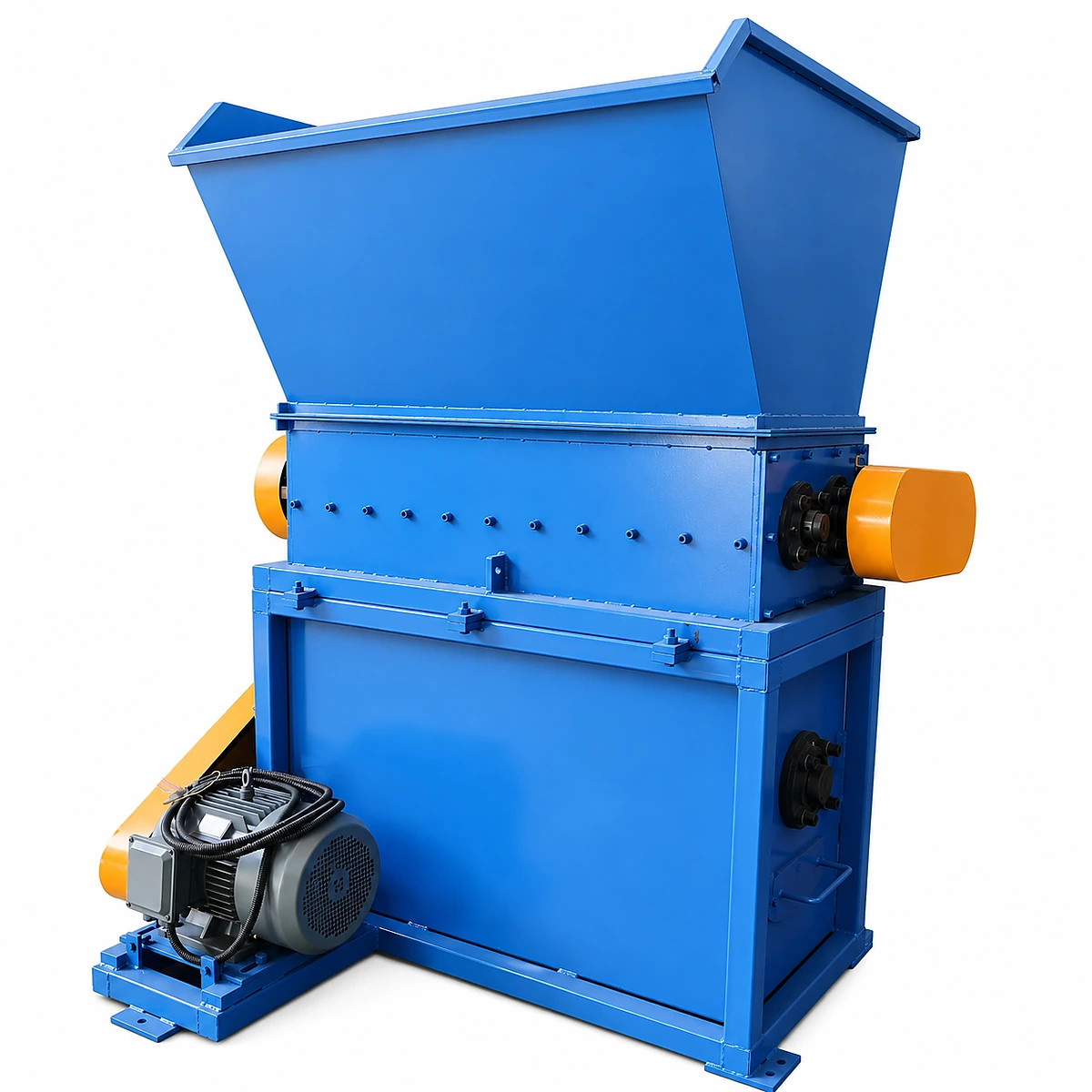
**A closed-loop EPS recycling system turns the offcuts, rejects, and trim your own plant already produces back into feedstock you can re-mold — instead of paying to haul that scrap away and then paying again for virgin bead. Done properly, a shape-molding factory can route 20–50% recycled content back into non-critical parts while holding fusion and density in spec, and recover well over 90% of its in-house EPS scrap. But "closed loop" is a *system*, not a single machine: it only works when four stages — collection, size reduction, densification, and controlled re-blending — are matched to each other and to your molding line. This guide explains how the loop actually works on the floor, what equipment sits at each stage, how much recycled content you can realistically use, the quality controls that keep re-blended parts in spec, and where an in-house loop pays off versus where you should stay linear. Read it alongside our [closed-loop EPS recycling overview](/en/applications/closed-loop-eps-recycling/) (scrap-to-bead factor comparison + full machine map) and the [EPS recycling cost-per-ton pricing guide](/en/blog/eps-recycling-cost-per-ton-2026-pricing-guide/) for the investment side of the same decision.** ## Linear Disposal vs a Closed Loop: What Actually Changes In a linear plant, EPS scrap — edge trim from block cutting, molding rejects, purge, and dust — leaves the building as waste. You pay a disposal or haulage cost for it, and separately you buy 100% of your feedstock as virgin bead. A closed-loop plant intercepts that scrap before it leaves, reprocesses it on site, and feeds a controlled fraction back into production. The same kilogram of material now does work twice. The environmental case is well established — the [US EPA's recycling guidance](https://www.epa.gov/recycle/frequent-questions-recycling) and the European recovery bodies both classify clean, source-separated EPS as highly recyclable precisely because in-plant scrap is uncontaminated and consistent. Industry recovery programs such as [EPRO (European Association of Plastics Recycling and Recovery Organisations)](https://epro-plasticsrecycling.org/) document mechanical EPS recycling routes that recover the polymer without downcycling it to fuel. The business case is simpler still: your own trim is the cleanest, cheapest recyclate you will ever find, because it never left your quality-controlled process. ## The Four-Stage Recovery Chain A working loop moves scrap through four stages in sequence. Skip or under-size any one and the whole loop stalls — a crusher with no densifier just makes a bigger pile of low-bulk-density flake nobody can feed. | Stage | What Happens | Typical Equipment | | ---------------------------------- | ------------------------------------------------------------------------------------------------------------------------------------------ | ---------------------------------------------------------------------------------------------- | | 1. Collection & separation | Segregate clean EPS scrap (block trim, rejects) from contaminated or mixed waste at source; keep colors/grades apart where quality matters | Bins, conveyors, air-handling ducting from cutters | | 2. Size reduction (crushing) | Break foam back down to regranulated particles of controlled size so it can be re-blended or re-expanded | [EPS crusher / regrinder (SPH-C1250)](/en/products/sph-c1250-eps-crusher/) | | 3. De-dusting & densification | Remove fines/dust; compact loose recyclate so it flows and blends at a predictable bulk density | De-duster, cyclone, densifier / compactor | | 4. Controlled re-blend / re-expand | Meter a fixed fraction of recyclate into virgin feed (or re-expand) and mold non-critical parts to spec | [Pre-expander (SPJY-1400)](/en/products/spjy-1400-pre-expander/) + block molder, dosing/mixing | The order matters: crushing without de-dusting sends fines into the mold that create weak-fusion voids; densifying without a metered dosing step lets the recycled fraction drift, so part density wanders shot-to-shot. The [closed-loop overview page](/en/applications/closed-loop-eps-recycling/) maps each ChinaEps machine to its stage with model numbers. ## How Much Recycled Content Can You Actually Use? This is the question that decides whether the loop is worth building. The honest answer is a **range, set by the part, not a single headline number**: - **Non-critical block / void-fill / protective packaging: 20–50% recyclate.** These parts tolerate the slightly wider bead-size distribution and small property spread that regranulated material introduces. This is where a closed loop earns most of its money. Loose-fill box filler is the most forgiving home of all, because the bead is poured rather than molded — see the [EPS bead filling and loose-fill line](/en/solutions/eps-bean-bag-filling-line/). - **General shape-molded parts at moderate density: 10–30%.** Achievable with good de-dusting and tight dosing control, verified part by part against your fusion and dimensional spec. - **Precision, thin-wall, or appearance-critical parts: 0–10%, often zero.** Where surface finish, exact density, or certified insulation values matter, keep the recycled fraction low or use virgin only — and route your scrap into the packaging line instead. The practical rule: **match the recyclate to the least demanding part you make.** A closed loop rarely means "recycled everything, everywhere" — it means every kilogram of scrap has a defined home in a part that can accept it, so nothing leaves as waste and nothing compromises a spec part. ## Quality Control: Keeping Re-Blended Parts In Spec Recyclate behaves slightly differently from virgin bead — it has already been expanded once, so its cell structure and expansion capacity are reduced, and crushing widens the particle-size distribution. Three controls keep re-blended parts predictable: 1. **De-dust before you blend.** Fines are the number-one cause of weak fusion and cosmetic defects in recycled-content parts. A cyclone/de-duster ahead of the densifier removes them. 2. **Meter the blend, don't eyeball it.** A fixed volumetric or gravimetric dosing ratio keeps the recycled fraction constant shot-to-shot; a hand-shoveled blend produces density scatter and intermittent fusion failures. 3. **Hold density to a named standard.** Verify finished-part density against your target spec — for insulation grades, [ASTM C578](https://www.astm.org/c0578-22.html) defines the density and mechanical classes you must still meet even with recycled content. If a blend can't hold the spec, lower the recycled fraction rather than shipping an out-of-spec part. Keep the same fusion and dimensional-stability checks you use on virgin production — the discipline in our [EPS quality-control and defects guide](/en/blog/eps-quality-control-defects-guide/) applies unchanged; recyclate simply narrows the process window, so tune steam, vacuum, and aging accordingly. ## Where an In-House Loop Pays — and Where It Doesn't An honest system recommendation includes when to skip it: 1. **It pays when you generate steady in-house scrap.** A block-and-cut operation producing continuous edge trim has a free, clean feedstock stream — the loop's ideal case. Payback comes from avoided disposal cost *plus* displaced virgin bead. 2. **It pays when disposal is expensive or restricted.** Where landfill or haulage of bulky foam is costly, on-site densification (which shrinks volume dramatically) cuts logistics cost even before any material is re-molded. 3. **It is marginal at very low scrap volumes.** If your trim stream is small, the capital for a crusher + densifier may outrun the savings — baling clean scrap for an external recycler can be the better route until volume grows. 4. **It does not fit a pure precision line.** If every part you make is appearance- or spec-critical with 0% recyclate tolerance, an in-house loop has no internal home for the recyclate; sell clean scrap out instead. ## Setting Up a Closed Loop: A 5-Step Method 1. **Quantify your scrap stream.** Weigh a week of edge trim, rejects, and purge. That tonnage is your feedstock and sets the size of every downstream machine. 2. **Identify the recyclate's home.** Which parts can accept 20–50% recycled content? Usually packaging or void-fill. No home = no loop; fix this before buying equipment. 3. **Size the chain to the bottleneck.** Match crusher throughput, de-duster capacity, and densifier output so no stage starves or floods the next. 4. **Install metered dosing.** A fixed blend ratio into the pre-expander or molder is what keeps parts in spec; this is the difference between a loop and a mess. 5. **Validate against spec, then ramp.** Mold a trial batch at your target recycled fraction, verify fusion and density, then lock the ratio and scale up. ## Sourcing Checklist: Specifying a Closed-Loop System That Works When you ask a supplier for a closed-loop line rather than a lone machine, confirm they can deliver the whole chain matched: 1. **Stage-matched throughput figures** — crusher, de-duster, and densifier capacities that balance against each other and your scrap tonnage, not four spec sheets that don't add up. 2. **A metered dosing / blending step** so the recycled fraction is a set number, not an operator's guess. 3. **A stated achievable recycled-content range** for your part type, with the caveat that precision parts stay low — a supplier who claims "100% recycled, any part" is overselling. 4. **Density and fusion validation support** against a named standard (e.g. ASTM C578) so re-blended parts stay in spec. 5. **De-dusting included, not optional** — fines control is the single most common gap in cheap "recycling" packages and the top cause of weak-fusion complaints. ChinaEps supplies the full closed-loop chain — [crusher](/en/products/sph-c1250-eps-crusher/), de-duster, densifier, and matched [pre-expander](/en/products/spjy-1400-pre-expander/) — sized to your real scrap volume, with the dosing and validation steps that keep recycled-content parts in spec. For grade selection and factory-level planning, pair this with the [complete EPS factory setup guide](/en/blog/how-to-set-up-eps-factory-complete-guide/), and [contact ChinaEps](/en/contact) for a system quote against your scrap tonnage and part mix. ## Frequently Asked Questions ### What is a closed-loop EPS recycling system? A closed-loop EPS recycling system captures the clean scrap your own plant produces — block-cutting trim, molding rejects, and purge — and reprocesses it on site through four stages (collection, crushing, de-dusting/densification, and controlled re-blending) so a defined fraction is fed back into production instead of being disposed of. It replaces the linear "buy virgin, discard scrap" model with one where in-house material does work twice, cutting both disposal cost and virgin-bead purchases. ### How much recycled content can I add to molded EPS parts? It depends on the part. Non-critical block, void-fill, and protective packaging can typically accept 20–50% recyclate; general shape-molded parts at moderate density accept roughly 10–30% with good de-dusting and metered dosing; and precision, thin-wall, or appearance-critical parts usually stay at 0–10% or virgin only. The rule is to match recyclate to the least demanding part you make, so every kilogram of scrap has a home without compromising a spec part. ### Does recycled content lower part quality? Not if the loop is controlled. Recyclate has already been expanded once, so its expansion capacity is reduced and crushing widens particle size — but with de-dusting before blending, a fixed metered blend ratio, and density verification against a named standard such as ASTM C578, re-blended parts hold spec. Quality problems come from skipped de-dusting or hand-mixed (un-metered) blends, not from recycled content itself. If a blend can't hold the spec, lower the recycled fraction rather than ship an out-of-spec part. ### What equipment does a closed-loop EPS line need? Four matched stages: collection/separation to keep scrap clean and sorted; a crusher/regrinder to reduce foam to controlled particle size; a de-duster and densifier to remove fines and compact the material to a predictable bulk density; and a metered dosing step into a pre-expander or molder for controlled re-blending. The critical point is that the stages must be sized to each other and to your scrap volume — a crusher without a densifier and dosing control produces flake nobody can feed consistently. ### Is an in-house recycling loop worth it for a small factory? It depends on scrap volume and disposal cost. A plant generating a steady stream of clean block-cutting trim has a free, uncontaminated feedstock and typically recovers the investment through avoided disposal plus displaced virgin bead. At very low scrap volumes the capital for a crusher and densifier can outrun the savings — in that case, baling clean scrap for an external recycler is often smarter until volume grows. See our EPS recycling cost-per-ton pricing guide to model the numbers for your tonnage.

More in This Cluster

EPS Business & Investment

Read the pillar guide →

EPS Factory Line Price by Country: China vs India vs Vietnam vs Europe (2026)

Complete EPS line $80K-$850K. China FOB leads; India domestic for fast delivery; Europe 80-140% premium. Landed cost 4 origins + 6-question vendor framework + market procurement matrix.

EPS Geofoam Block Production Line: 2026 Guide

An EPS geofoam block production line is a high-density block line: 2-6 m blocks, tight density control and cut tolerance. Equipment specs, utilities and sourcing checklist.

ICF Block Factory: $85K Entry, 49% Margin, 6-Month Payback

Full factory blueprint — SM-1400 molder + mold tooling + $4.35/block cost breakdown. 38–49% gross margin at 500 blocks/day. Equipment list, process flow, and 6-month ROI for construction market entry.

EPS Machine Maintenance Cost: Annual Budget Calculator + 10-Year TCO (2026)

Annual maintenance 4-8% of capex ($8K-$40K/yr for $200K line). Preventive vs reactive saves $430K over 10 years. Interactive calculator + spare parts matrix + 8 region cost multipliers.

EPS Machine ROI: 14–22 Month Payback (BM-1200 (4 sizes) Worked Example)

$120K–$500K investment, 14–30 month breakeven: step-by-step TCO, revenue model & payback formula. Includes BM-1200 (4 sizes) block line worked example with real cost data.

EPS Recycling Cost Per Ton: India/Indonesia/Brazil 2026 Pricing + ROI

Equipment $15K-$250K, OpEx $80-180/ton, sell at $260-380/ton. Payback 10-22 months. India/Indonesia/Brazil 2026 pricing, 3 investment tiers, 5-point China sourcing checklist.
Ready to Build Your EPS/EPP Production Line?

Get a customized turnkey solution — competitive pricing, proven technology, and full after-sales support from our engineering team.