EPS Factory Utilities: Electricity, Steam & Water Use
Calculate EPS production line utilities from machine duty, simultaneous steam demand, water-loop makeup and saleable output—with a worked shift example.
EPS & EPP Machinery Manufacturer · CE & ISO 9001 Certified · 60+ Countries Served
Technical knowledge on EPS/EPP foam production, machinery selection, and factory planning for manufacturers worldwide.
Calculate EPS production line utilities from machine duty, simultaneous steam demand, water-loop makeup and saleable output—with a worked shift example.
Prepare product, capacity, raw material, utility, site, automation, compliance and commercial data for an accurate EPS machine quotation.
Size EPS compressed air by peak simultaneous FAD and vacuum by chamber volume, target pressure and pump-down time. Includes formulas, examples and acceptance tests.
Avoid seven EPS production line layout mistakes involving flow, silos, utilities, maintenance, safety, logistics and future expansion.
Estimate EPS factory space by process zone, silo volume, aisles, storage and expansion. Includes 800–1,500 m² starter and larger plant benchmarks.
Calculate real EPS molding machine capacity from cavities, loaded cycle time, OEE, shifts, and product mix. Includes formulas and a worked buying example.
Compare EPS CNC and multi-wire cutting by output, geometry, tolerance, changeover and cost. Use the decision matrix before specifying a line.
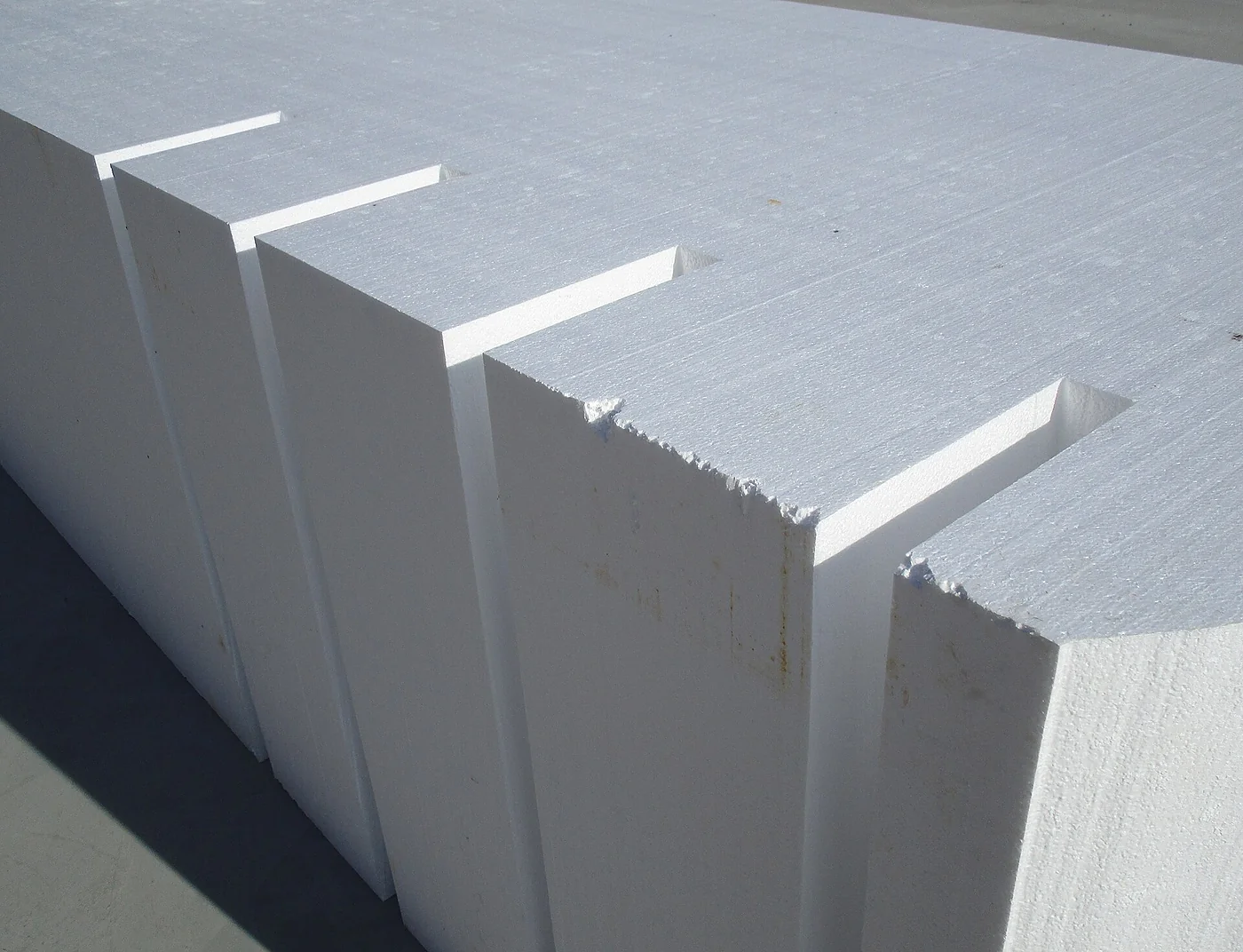
Set EPS hot-wire temperature and cutting speed as one process window. Diagnose drag, wide kerf, wire bow and glazed faces with a practical trial-cut method.
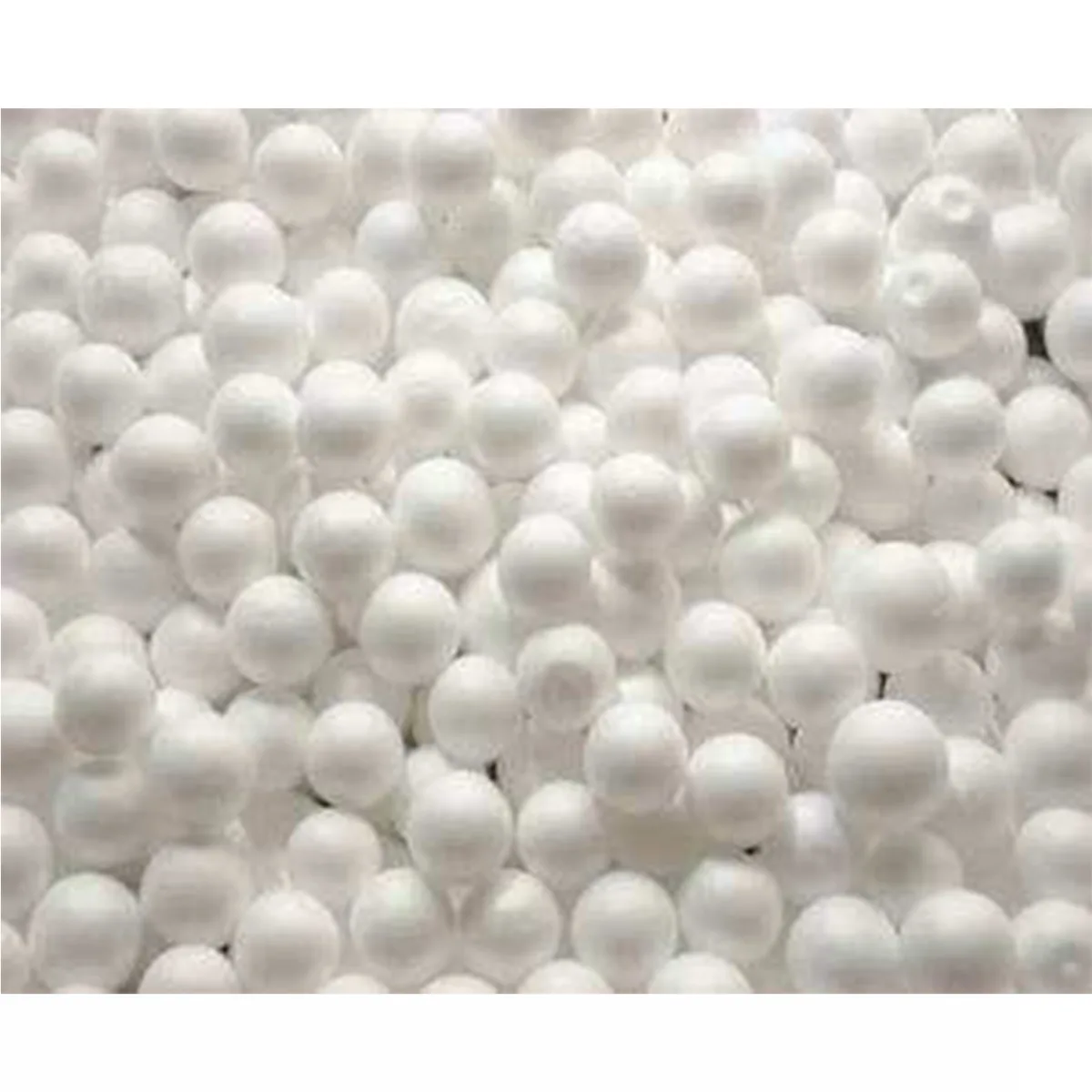
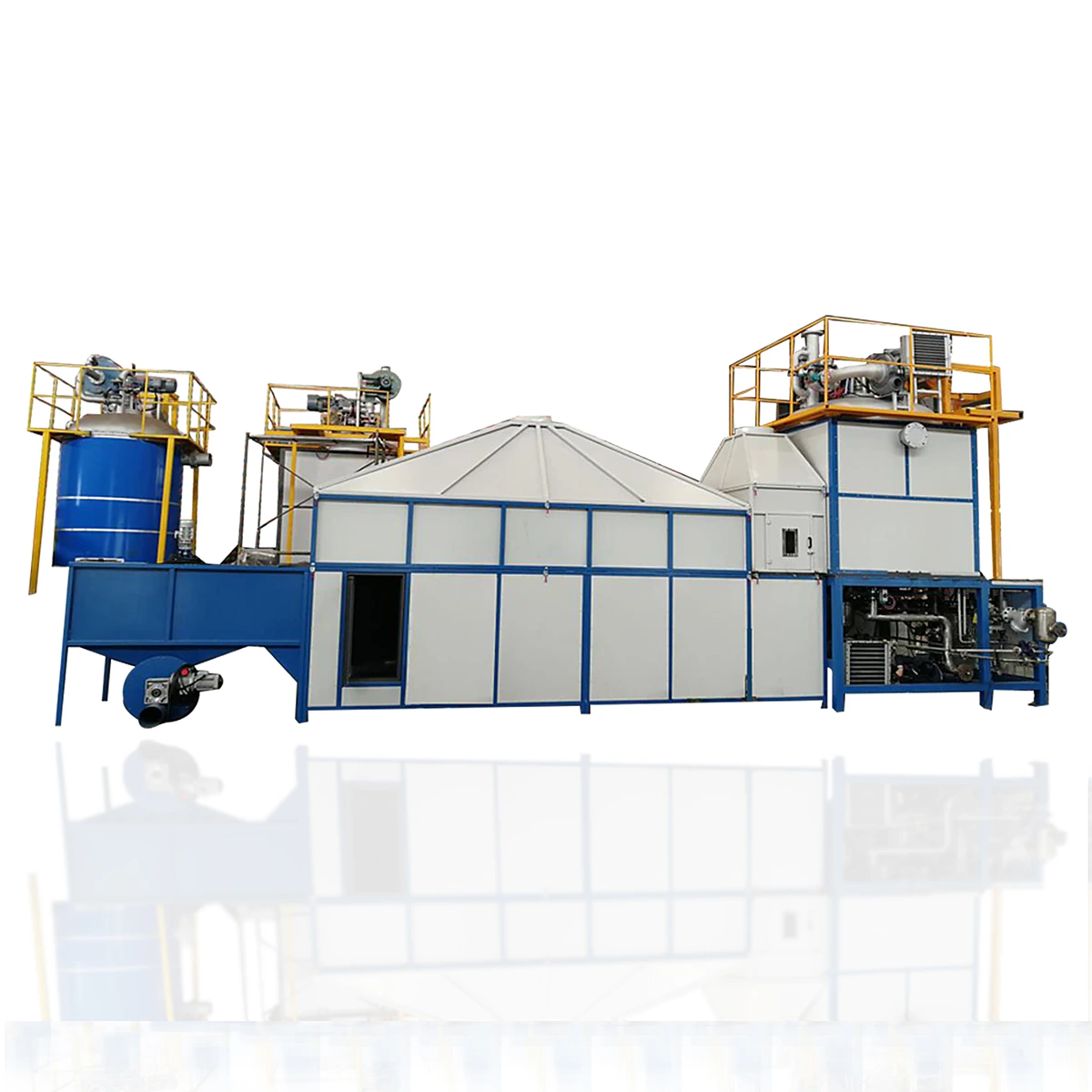
Silo count depends on density grades and shift pattern, not floor space. Minimum 2 per density, real customer configs, and the counting mistakes that cause bottlenecks.
EPS beads need 8-72h of silo aging before molding, and the right window shifts with density, temperature and humidity. The physics, a sizing table and 5 mistakes.
BM-1200 through BM-1800 cover 1,200-1,800mm blocks at 8-30 kg/m³. Real specs, capacity-by-density tables and the volume threshold that decides which size pays back fastest.
Vacuum cooling cuts EPS block molding cycle time 30-50% versus water-only cooling but adds $8,000-15,000 to machine cost. The physics, a cost table, and when each pays off.
How target EPS density sets pre-expander size, cycle time, steam and precision. A sizing method, three worked examples and what to send before quoting.
We show how to cut EPS shape molding cycle time by fixing steam distribution, vacuum cooling and condensate — not just shortening timers. Bottleneck analysis + baseline worksheet.
How we size a boiler for an EPS production line — peak simultaneous steam demand, load factors, pipe sizing, condensate recovery, and the questions we ask before recommending capacity.
An EPS block is a steam-fused polystyrene billet cut into finished product. Real block sizes from 1,200x600x300 mm to 6,000 mm, density 4-45 kg/m3, and the standards that govern both.
Injection molding and EPS foam shape molding solve different problems. Weight, cushioning, cost per part, and tooling differences explained for buyers comparing the two processes.
"Protective foam packaging machine" covers four unrelated machine families. Three inputs decide which one fits: what you protect, your volume and SKU count, and whether the pack comes back.
A continuous EPS pre-expander only pays above a sustained duty cycle, not at 3,000 kg/day. The arithmetic, the steam delta, and a 5-point spec check before you buy.
An EPS geofoam block production line is a high-density block line: 2-6 m blocks, tight density control and cut tolerance. Equipment specs, utilities and sourcing checklist.
EPP foam density runs 20-200 g/L - automotive cores 45-75, packaging inserts 25-45, helmet liners 60-90, plus how to verify a batch on arrival.
EPS ICF block line $85K-$220K CapEx. 500-1500 blocks/day, density 25-30 g/L. Middle East/LATAM/India construction market. 49% margin, 6-month payback.
EPS fish box line $85K-$220K CapEx. 4,000-12,000 boxes/day output. Density 18-22 g/L. India/Indonesia/Vietnam seafood export markets. B2B factory buyers, MOQ 1 line.
Used EPS lines cost $30K-$120K (40-70% off new). Refurbished OEM $60K-$180K. 5 hidden costs + 8-point inspection checklist + 3 red flags. B2B factory buyers only, MOQ 1 line.
A closed-loop EPS recycling system reprocesses your own scrap back into feedstock. How the four-stage recovery chain works, how much recycled content (20-50%) you can actually use, quality control for re-blended parts, where an in-house loop pays, and a 5-step setup method.
Annual maintenance 4-8% of capex ($8K-$40K/yr for $200K line). Preventive vs reactive saves $430K over 10 years. Interactive calculator + spare parts matrix + 8 region cost multipliers.
Fast-cycling EPS beads cut molding cycles 20-30% — but ROI depends on whether your machine is the bottleneck. Three ROI levers, a copyable worked payback example, where it does NOT pay, B-series grade map, 5-step calculation.
Low-pentane EPS beads (4.5-5.5%) cut VOC 15-30% for IED headroom; REACH comes from ≤2000 ppm styrene + HBCD-free FR. Spec table, molding trade-offs, L-series grades, 5-point sourcing checklist.
See the six-stage EPP manufacturing route and the EPP molding process from aged bead filling through steam fusion, cooling, demolding and part conditioning.
Complete EPS line $80K-$850K. China FOB leads; India domestic for fast delivery; Europe 80-140% premium. Landed cost 4 origins + 6-question vendor framework + market procurement matrix.
Equipment $15K-$250K, OpEx $80-180/ton, sell at $260-380/ton. Payback 10-22 months. India/Indonesia/Brazil 2026 pricing, 3 investment tiers, 5-point China sourcing checklist.
EPE stands for expanded polyethylene. Compare flexible EPE with rigid EPS by properties, sheet specifications, applications, and production method.
Graphite (grey) EPS explained: why infrared-absorbing beads reach λ 0.030–0.032 W/(m·K), beating white EPS by 15–20%, and why it is the default for Passivhaus and ETICS walls. Properties, U-values, standards, fire and production.
A step-by-step EPP vs EPS foam selection guide: a 5-point requirements checklist, application-to-material map, production-cost reality, and a fast decision framework. EPS for single-use; EPP for reusable, multi-impact parts.
Thermocol plate vs cup vs dona compared: same EPS shape molding machine, different molds. Cavity counts, output per hour, material per piece, mold cost & which to produce first for India. Dona = fastest payback.
BASF closes Ulsan EPS production June 2026 + Nigeria 2027 EPS ban. Double disruption for Asian/African EPS supply chains. 5 manufacturer response actions: qualify second source, in-house re-expansion, pivot to insulation, lock multi-year contracts, diversify export markets.
Thermocol making machine guide for India: plate, cup, dona, sheet & box production. EPS shape molding equipment, 2026 FOB prices ($70K–$300K), SM-1200 specs, mold options, CE certified, India shipping & support.
1,400×800×400 mm blocks at 80–120/day, sized for 30–50 t/day factories. ±0.8 kg/m³ density variance. 32% energy savings vs older block molders (verified Russia deployment). Full specs + cost breakdown + BM-1200/1400/1800 decision matrix.
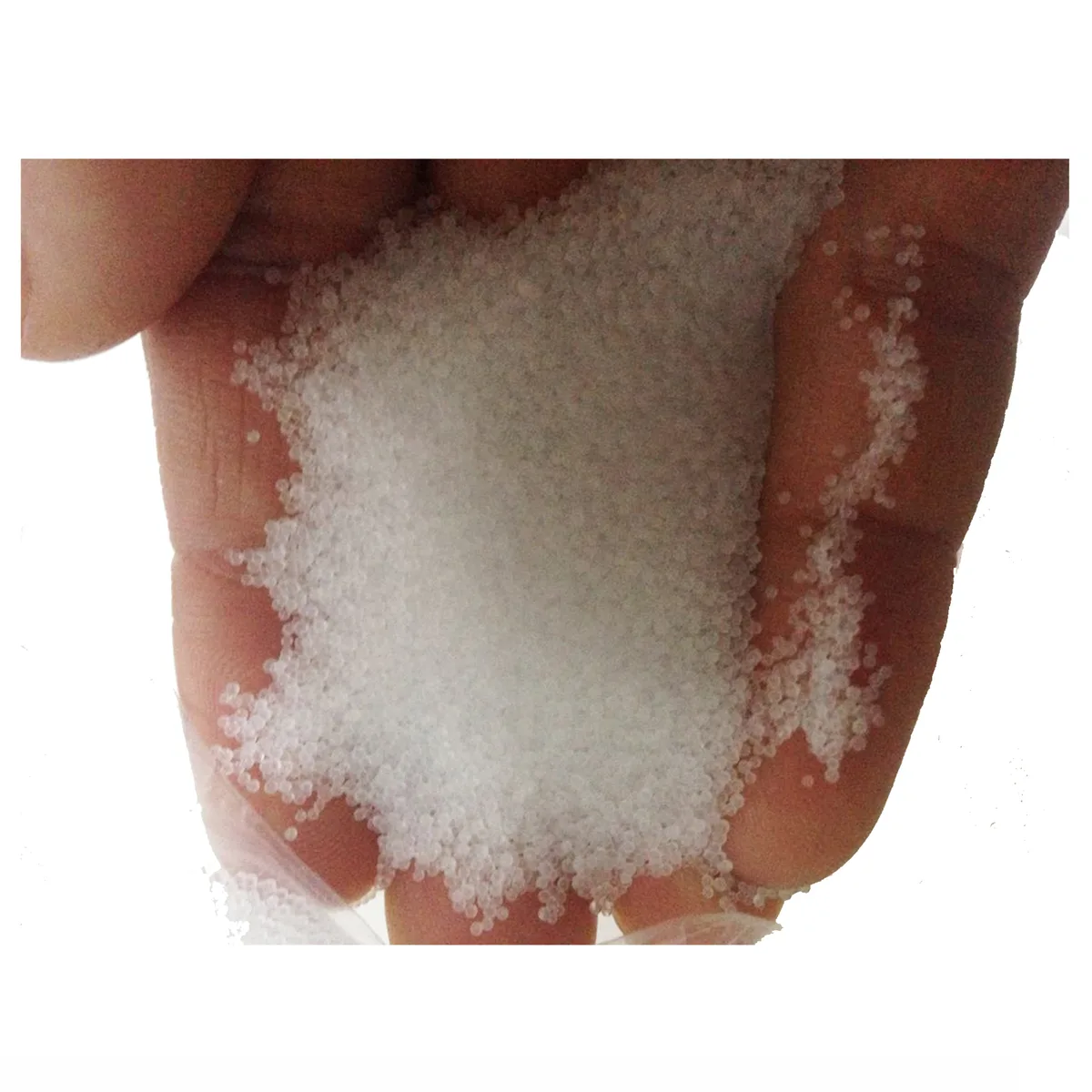
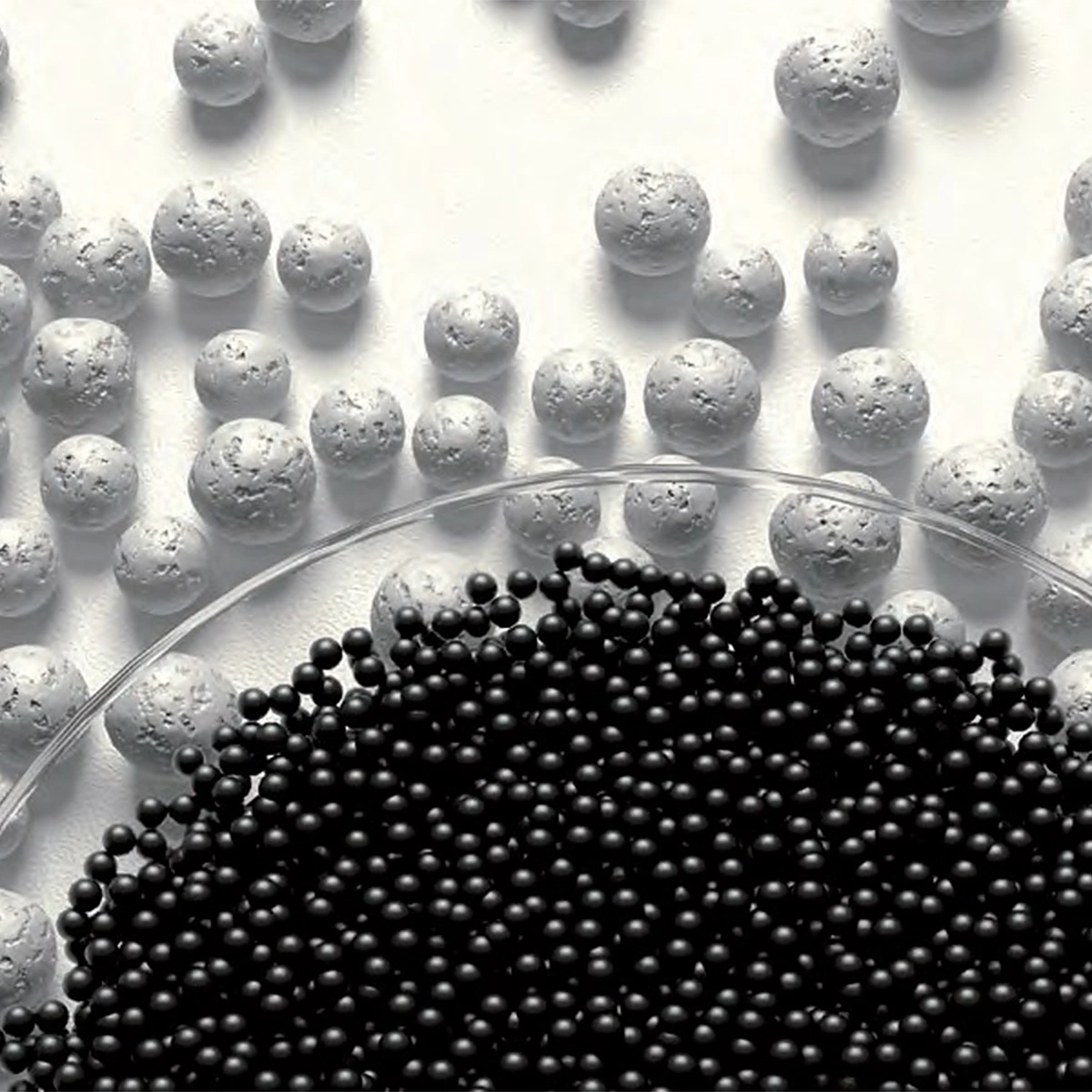
EPS raw materials compared: standard, fast-cycling, flame retardant (B1/B2), graphite-enhanced (grey EPS), and high-density grades. Bead sizes 0.3–2.5mm, pentane 4.5–7%, FOB China $1,100–$1,900/ton. Decision framework + 10 FAQ.
7 common EPS production defects: poor fusion, uneven density, surface cracks, shrinkage, moisture, pentane retention, contamination. Root causes + fixes + 4 quality tests (EN 13163/ASTM C578).
6-stage production line from raw beads to finished insulation boards. BM-1200 (4 sizes) block molder at the core — $150K starter to $500K industrial. Full cost breakdown, quality standards (EN 13163/ASTM C578), ROI payback in 1.4–2.4 years, and 6 FAQ.
EPS manufacturing process: see how EPS foam is made through the complete EPS foam manufacturing process, with two molding routes, equipment, time and cost.
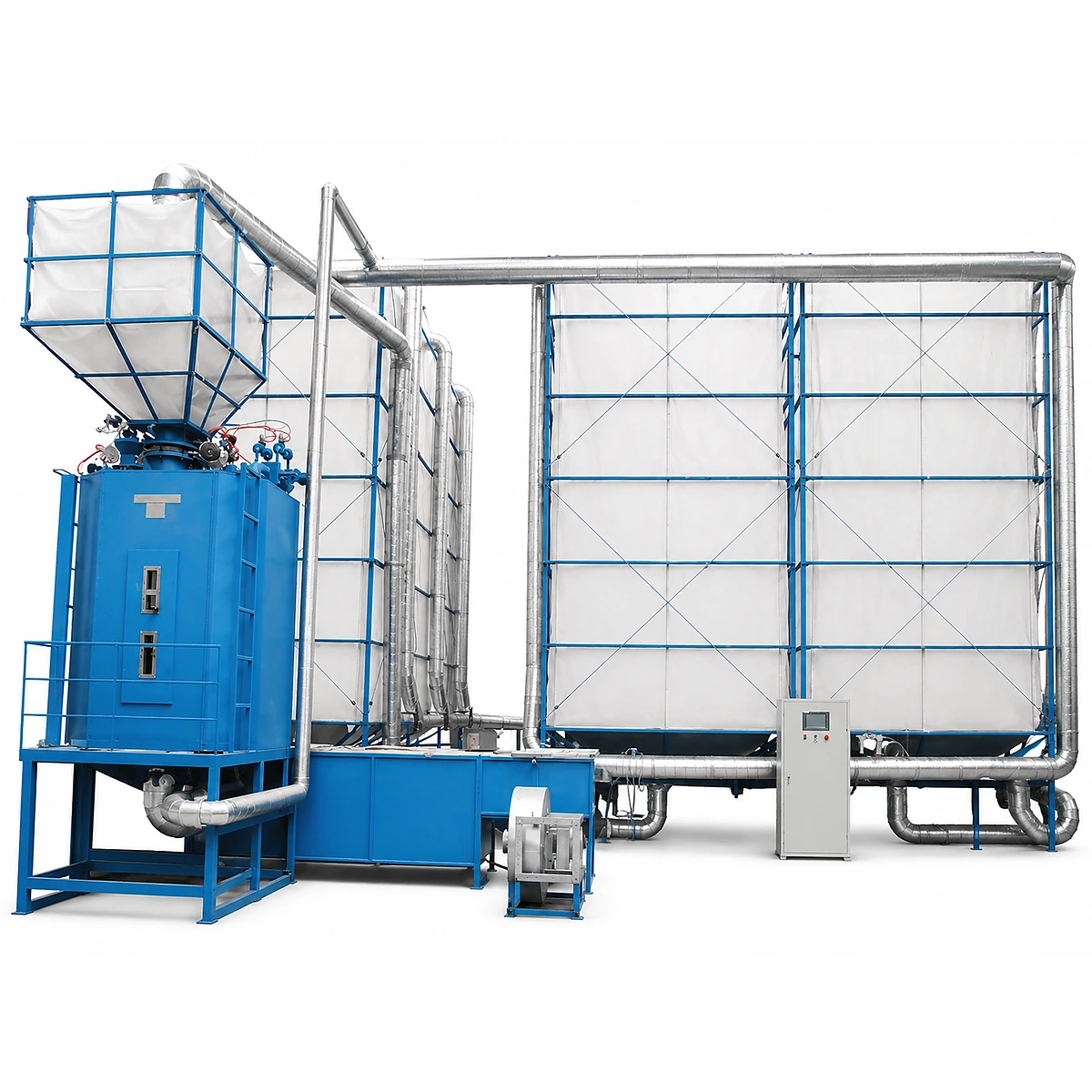
Size an EPS aging silo in 3 steps: daily bead output, 8-24h aging, 1.4x margin. Mesh vs steel vs PLC compared, plus the 5 mistakes behind 5-12% block rejection.
Foam box molding machine specs by box format: 10-100 L, 30-50 mm wall, 18-30 g/L density, platen sizing and 4,000-12,000 boxes/day from one EPS shape molder.
7 steps from 800 m² workshop to full EPS production. Equipment list, utility specs, layout zones + ROI timeline — based on real factory installations worldwide.
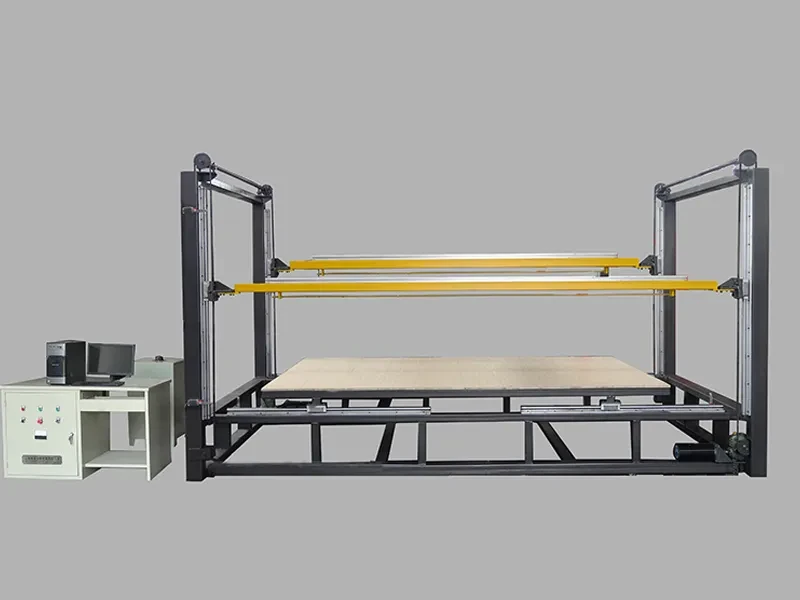
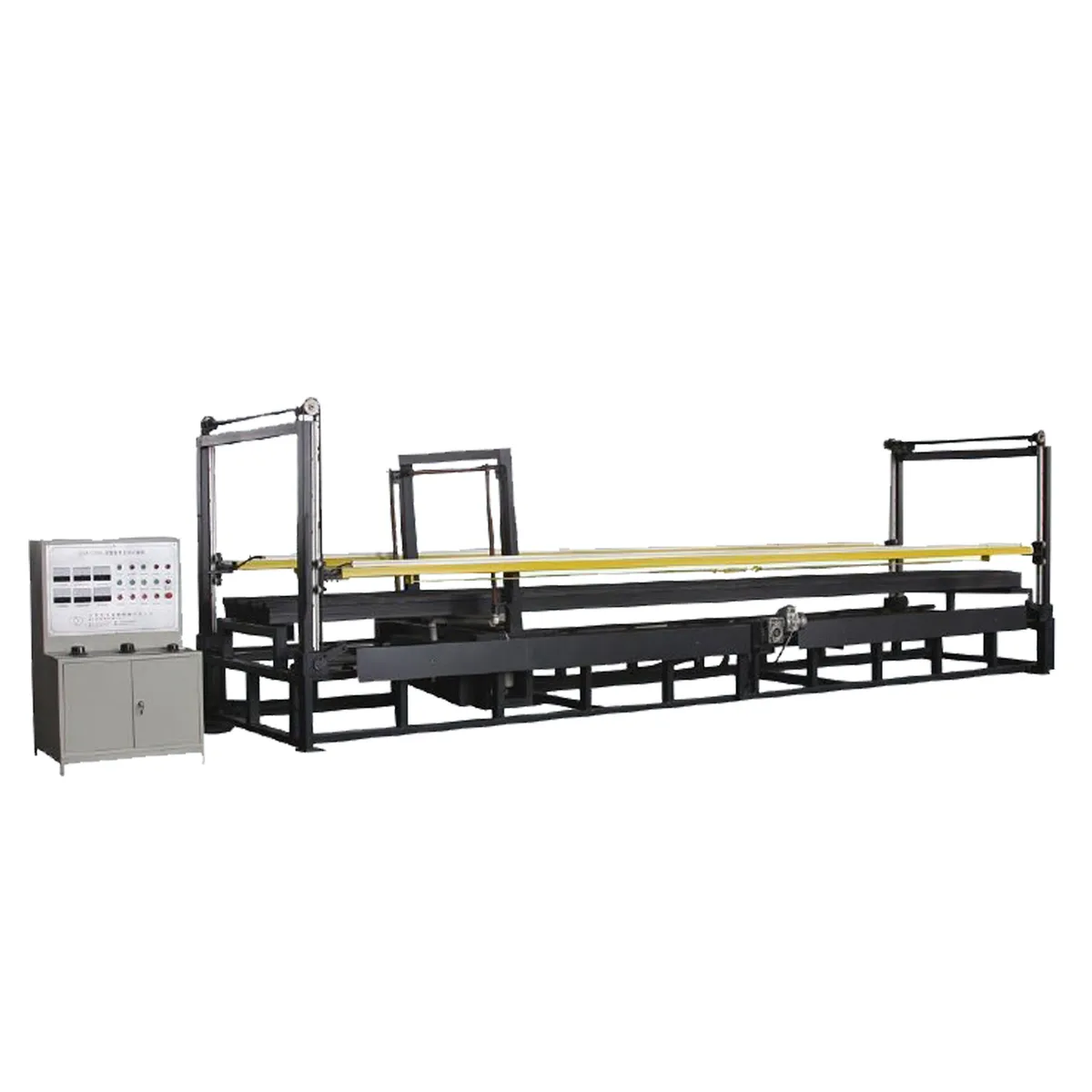
An EPS block cutting machine slices molded blocks into sheets and shapes. Compare automatic multi-wire lines and CNC cutters — tolerance, wire count, speed.
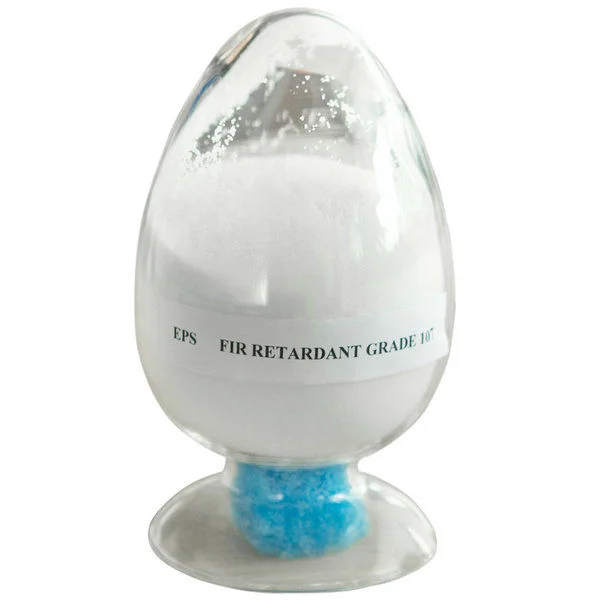
Fire retardant EPS resin & beads from China: fair price $1,400-1,900/ton FOB, 4 FR grade families, B1/UL94/EN 13501 reports. Grade-matched quotes in 1-2 days.
Full factory blueprint — SM-1400 molder + mold tooling + $4.35/block cost breakdown. 38–49% gross margin at 500 blocks/day. Equipment list, process flow, and 6-month ROI for construction market entry.
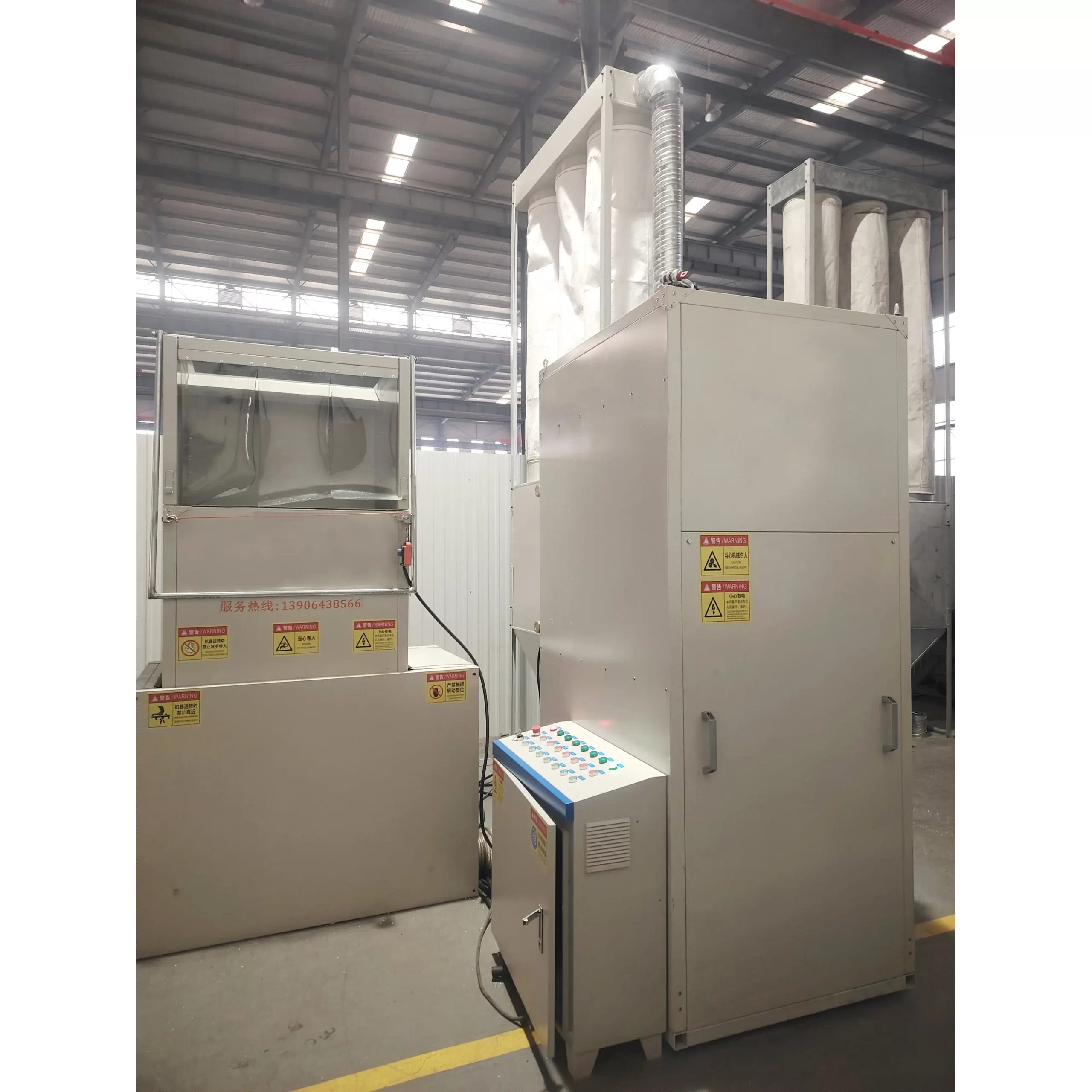
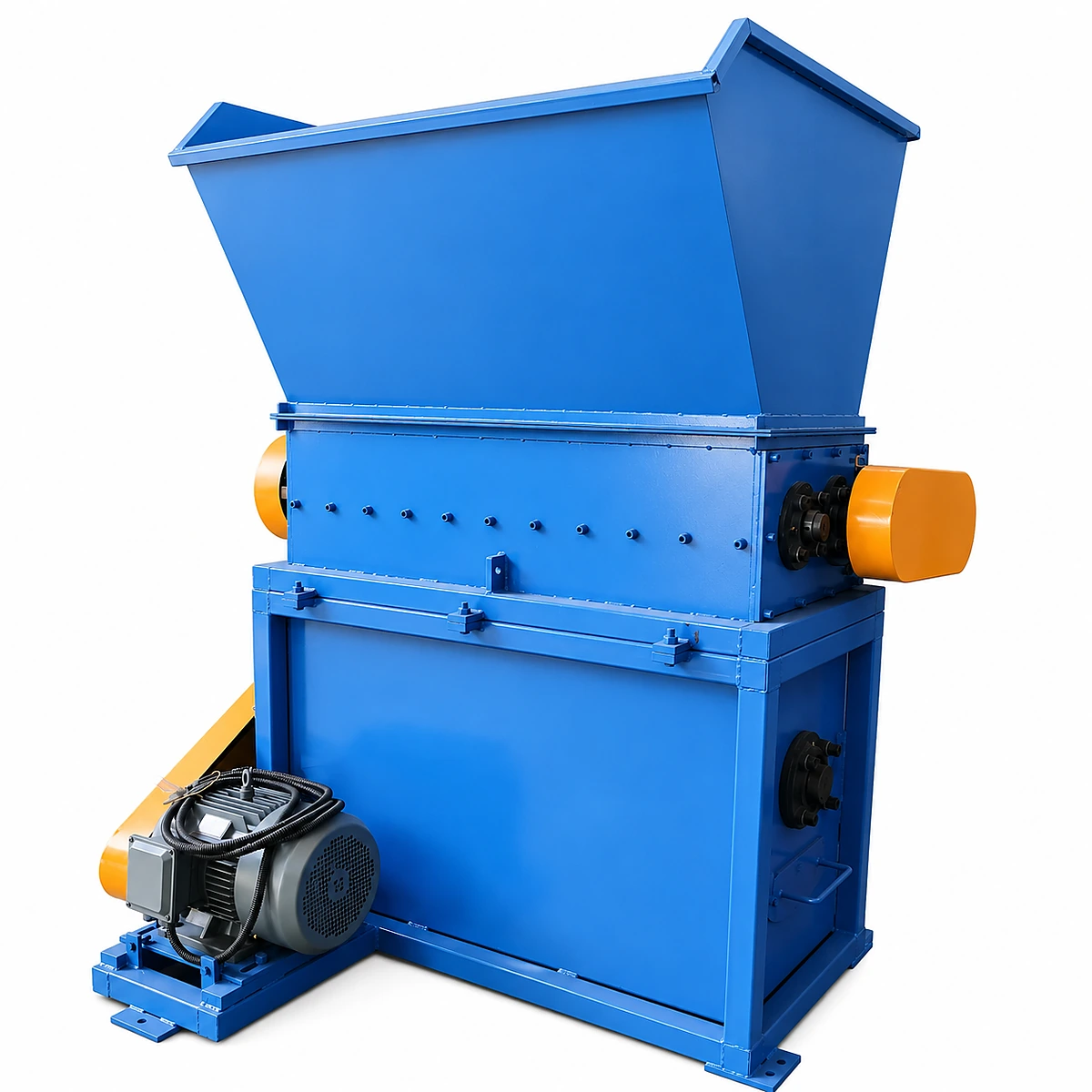
Choosing an EPS recycling machine factory? See how an adjustable production line for recycling EPS changes crusher size, throughput, output route, and recycled-content ratio.
$40K entry, $0 per-design tooling. Compare BM-1200 to BM-1200 (4 sizes) block molding machines — full specs, ROI payback, and real costs for fish boxes, coolers & electronics.
China EPS machinery costs $15,000 (single machine) to $500,000+ (full line) FOB. The 8 questions, supplier document pack and CE/ISO checks to run before you order.
$120K–$500K investment, 14–30 month breakeven: step-by-step TCO, revenue model & payback formula. Includes BM-1200 (4 sizes) block line worked example with real cost data.
What is ETPU material? ETPU foam is an elastic TPU bead foam used in footwear and impact cushioning. Compare verified properties, uses, limits and processing.
$50K–$150K/yr wasted on steam? 5 field-tested fixes — pre-expander tuning, vacuum cooling, heat recovery — cut 25–35% at mid-size EPS factories. Real cost data inside.
EPP foam vs EPS vs EPE compared: density, energy absorption, service temperature, cost & 12 applications — property tables, an EPE vs EPP head-to-head and a decision matrix.
Unplanned downtime costs $2K–$5K/day. Daily-weekly-monthly maintenance schedule that cuts breakdowns 60–70% + troubleshooting for steam, hydraulic & vacuum systems.
Get a customized turnkey solution — competitive pricing, proven technology, and full after-sales support from our engineering team.
Request a Free QuoteNeed a quote or quick answer?
We reply in your timezone — 24h max
Reply within 30 min · 9–18h GMT+8
info@chinaeps.net · Reply within 24h
Detailed Inquiry
Full quote form · 5 min