EPS Recycling Line — Turnkey Solution
Turnkey Solution

EPS Recycling Line — Turnkey Solution

Complete EPS waste recycling line — turn scrap foam into pelletized polystyrene resin for resale or in-house remelt.

100-500 kg/h
Throughput
USD 50K-130K
Investment
8-12 months
Payback Period
2-4
Workers Required

What This Line Produces

End products this turnkey line is engineered to manufacture.

Recycled polystyrene (rPS) pellets for plastic resale

Densified EPS ingots (4× volume reduction for transport)

Re-pelletized EPS for in-house bead production

PS resin for non-foam plastic injection molding

GP-PS / HI-PS recycled grades

Production Flow

From raw material to finished product — six stages, fully integrated.

Step 01

Collection

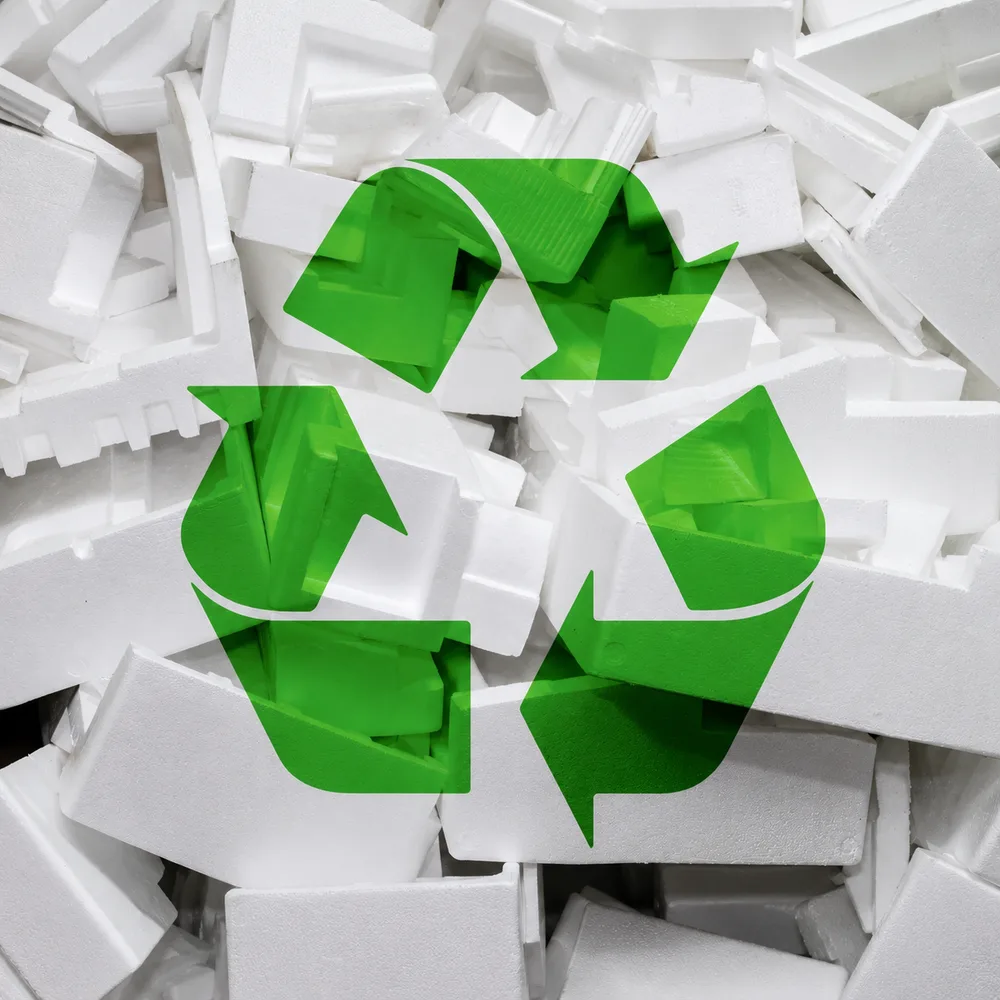
Scrap EPS gathered from packaging / construction / fish-box waste streams.

Step 02

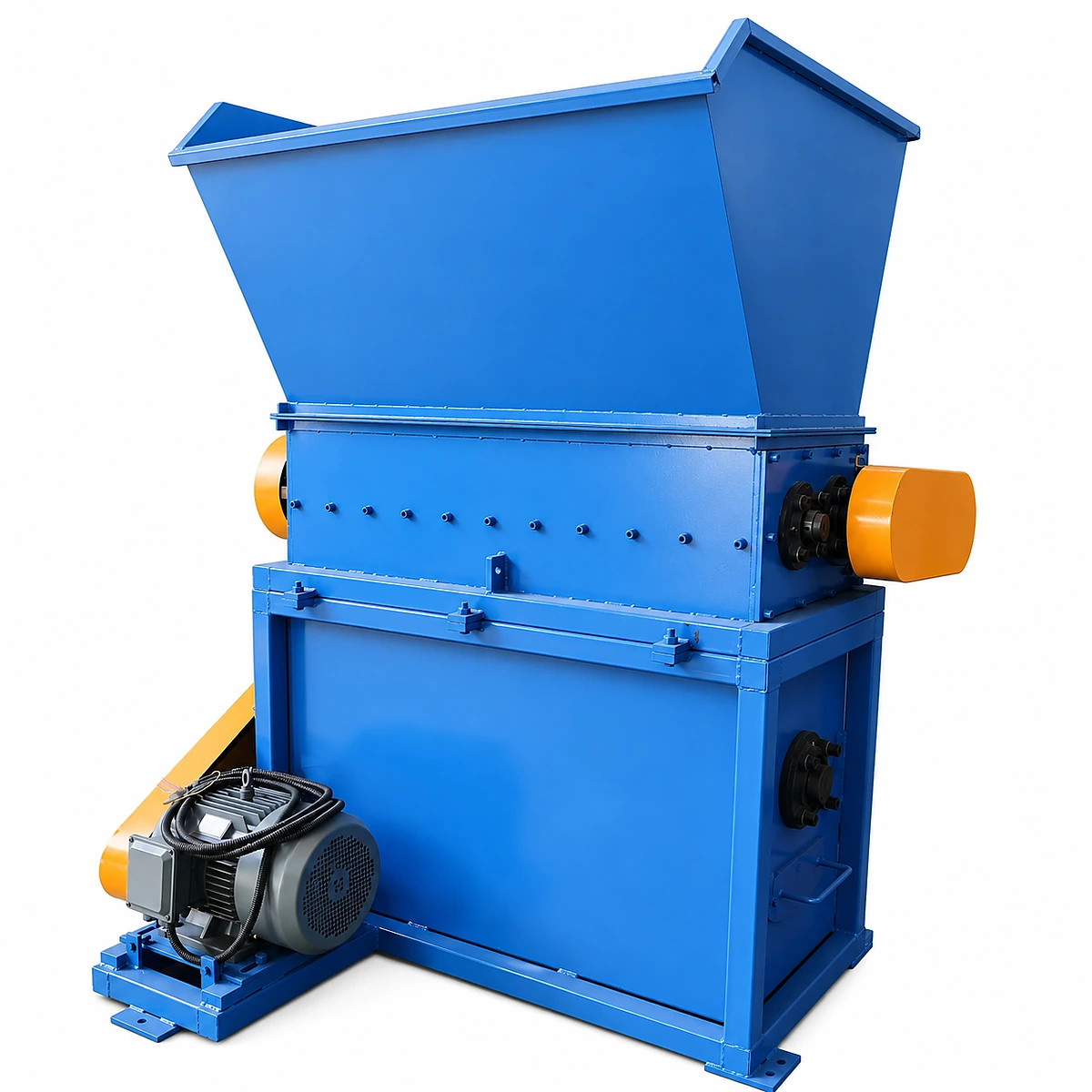
Crushing

CR-500 / CR-800 mechanical crusher reduces foam to 5-15 mm pieces.

Step 03

Compacting

CC-200 cold compactor squeezes air out, 4× volume reduction; output: dense EPS ingot.

Step 04

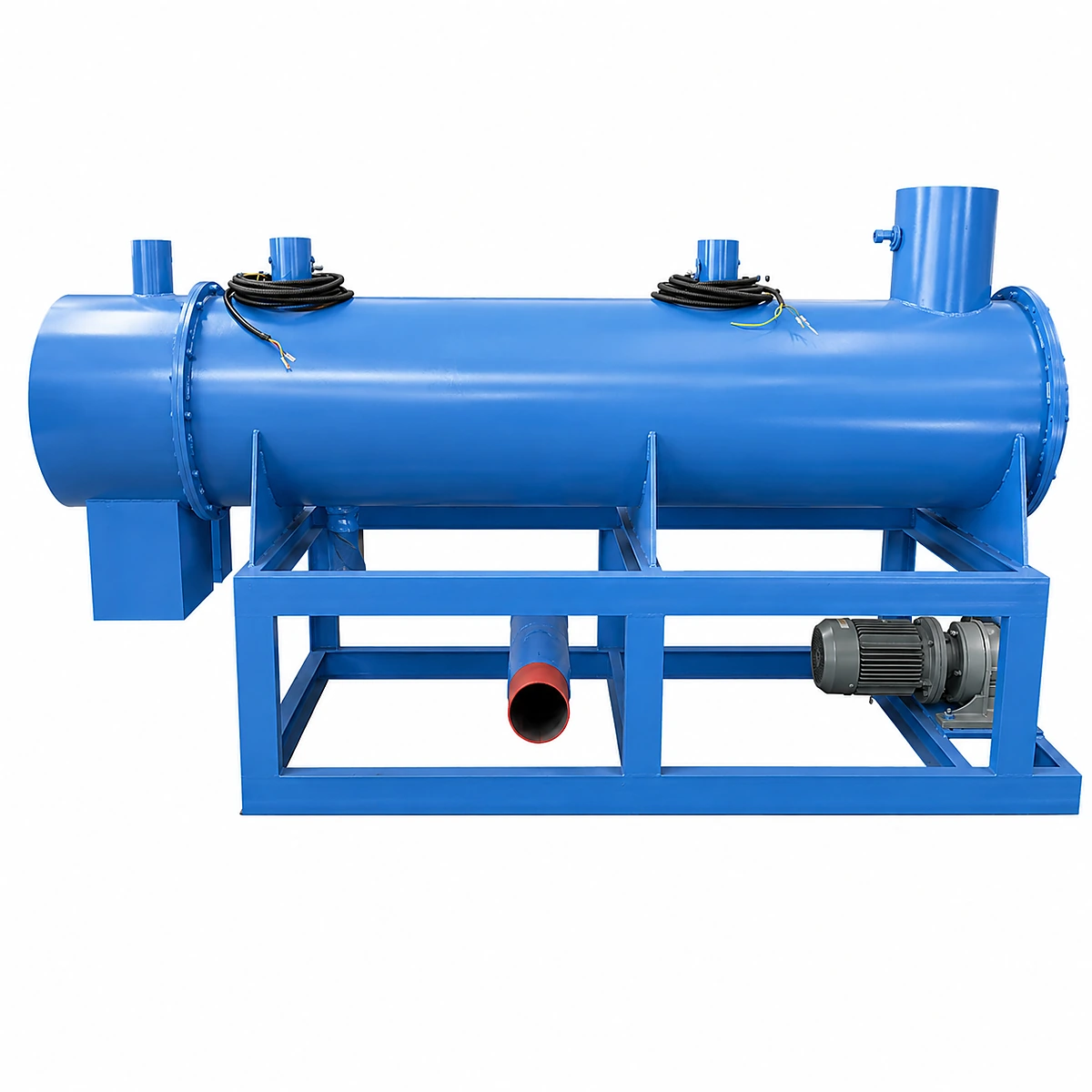
Hot Melting

HM-300 melter heats compacted EPS to 230-280°C; degasses pentane residue.

Step 05

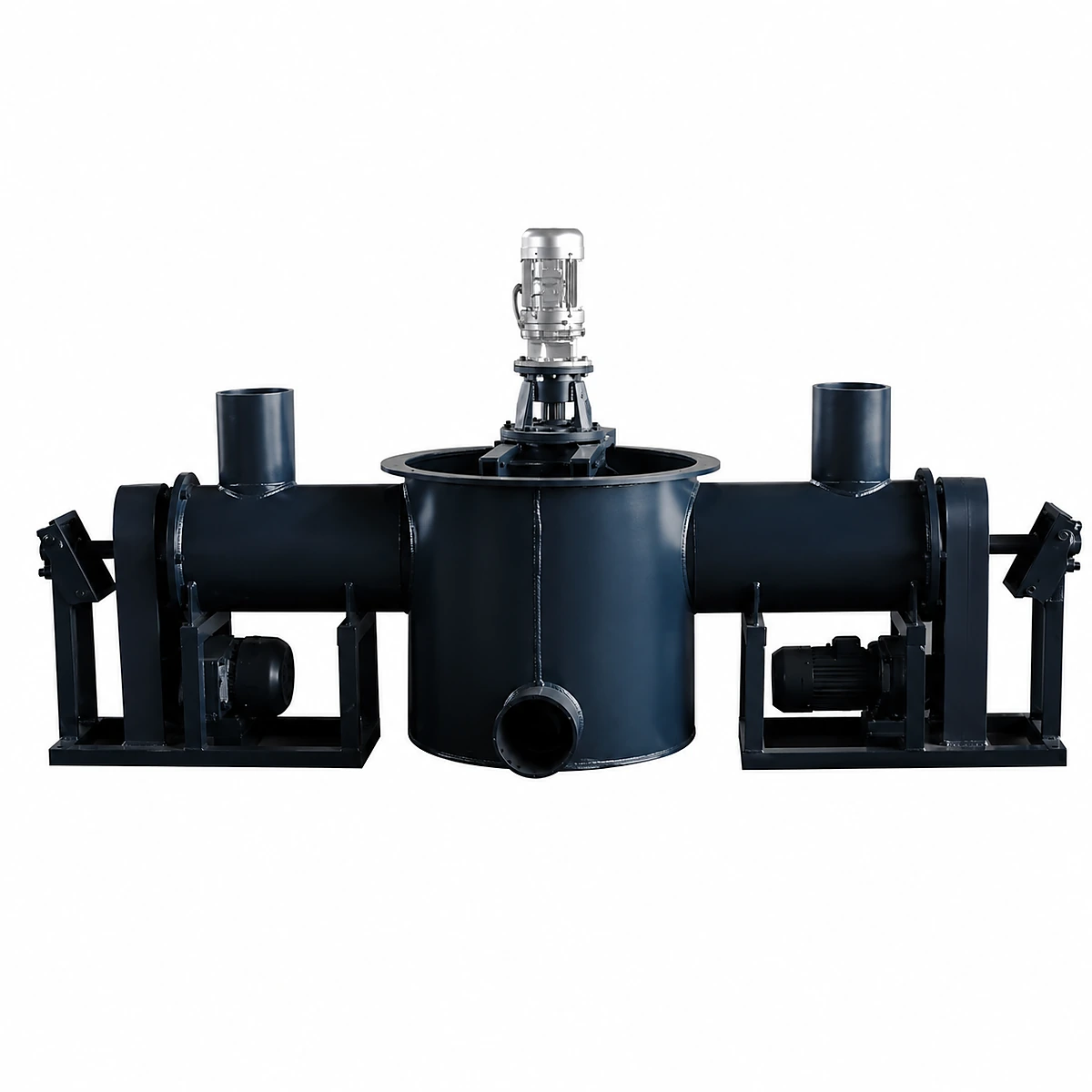
Pelletizing

PL-300 extrusion pelletizer; output: 3-5 mm rPS pellets ready for resale or remelt.

Step 06

QC + Bagging

Density + color + MFI testing; 25 kg PE bags or 1,000 kg jumbo for bulk shipment.

Equipment List

Engineered configuration — every machine sized to match line throughput.

Machine Model Qty Capacity
EPS Crusher CR-500 / CR-800 1 200-500 kg/h
Cold Compactor CC-200 / CC-300 1 150-300 kg/h
Hot Melter HM-300 / HM-500 1 200-500 kg/h
Pelletizer PL-300 1 200-400 kg/h
Optional: Pre-washer PW-1000 0-1 For dirty fish-box waste

Why ChinaEps for This Solution

Engineering specifically tuned for this application — not a generic line.

Modular Plant Design

Start with crusher + compactor (USD 50K, sell densified ingot to local recyclers); add hot-melt + pelletizer later (USD 80K total, sell pellets at 2-3× ingot value).

Pentane Degassing Compliance

Hot-melt stage degasses pentane residue (flammable hazard) per EU EN 13478 + Chinese GB 12477 fire safety standards. Closed-loop venting + RTO (regenerative thermal oxidizer) optional.

Circular-Economy Integration

Recycled rPS pellets can be re-fed into PE-1200 pre-expander for in-house bead production — 30-40% raw material cost reduction for vertically-integrated EPS factories.

Government Subsidy Documentation

We provide environmental impact documentation, carbon-offset calculations, and subsidy application support — many countries (Russia / Brazil / EU) offer recycling-line subsidies.

Frequently Asked Questions

What's the cheapest entry point for EPS recycling?
Crusher + cold compactor (USD 50,000) is the minimum viable line — outputs densified ingot for sale to plastic recyclers at USD 200-400/ton. Pays back in 8-12 months on collected fish-box waste alone.
Do I need the pelletizer or just the densifier?
Densifier-only is enough if you sell to plastic recyclers. Pelletizer adds USD 80K but lifts output value 2-3× (rPS pellets sell USD 600-1,000/ton, densified ingot USD 200-400/ton). Pelletizer ROI 14-18 months on top.
Can I re-feed recycled rPS into my virgin EPS production?
Yes — typically 10-20% rPS blend with virgin beads is acceptable for non-food packaging. 30%+ blend possible for construction-grade boards. Cuts raw material cost 30-40% in vertically-integrated factories.
How dirty can the input EPS waste be?
Standard line handles light contamination (tape, labels, dust). Heavily contaminated fish-box waste (fish slime, ice residue) needs PW-1000 pre-washer add-on (USD 15K). Plastic film / paper auto-removed.
What government subsidies might be available for a recycling line?
EU Member States: 20-40% capex subsidy via Green Deal recycling incentives. Russia: tax holidays for circular-economy projects. Brazil: BNDES financing. We provide application documentation support per country.

Tell Us Your Production Goals

Share your capacity targets, product specs, and budget — our engineers design the optimal line for your factory.