Choosing between expanded polypropylene (EPP) and EPS foam is a decision you make before you buy molds or equipment, not after — because the two materials need different steam pressures, different mold tooling, and in EPP's case a secondary foaming step that EPS does not. The short rule: pick EPS when the part is single-use, lightweight, and cost-sensitive (packaging inserts, cold-chain boxes, building insulation, thermocol tableware); pick EPP when the part must survive repeated impacts and recover its shape (automotive bumper cores, reusable dunnage, helmet and seat components). This guide is a step-by-step selection framework — four questions about your product, an application-to-material map, and the production-cost reality — so you arrive at the right answer for your part. For the property-by-property numbers (density, R-value, impact counts, price per ton), pair this with our EPS vs EPP differences and applications guide.
Why You Must Decide EPP or EPS Before Buying Equipment
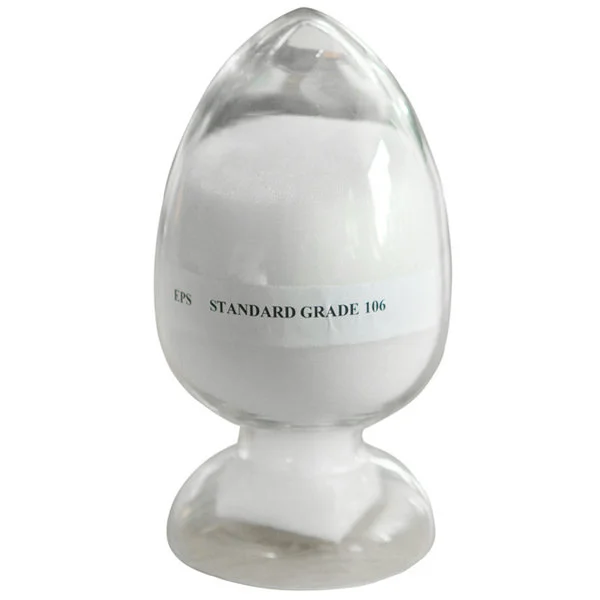
A common and expensive mistake is treating EPP and EPS as interchangeable beads you can run on the same line. They are both expanded bead foams, but the machinery diverges in three ways that lock in your capital cost:
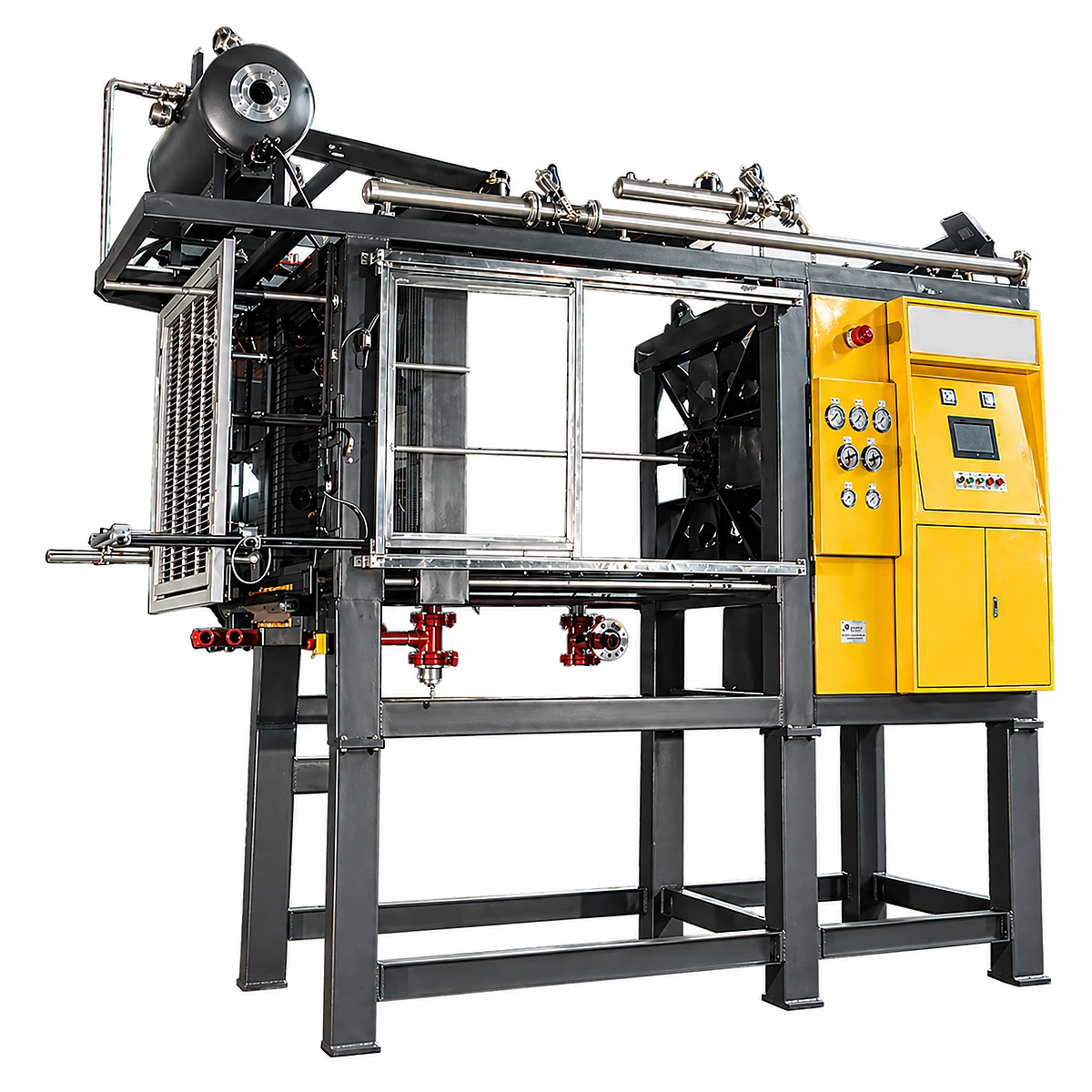
- Steam pressure. EPS molds at roughly 0.8–1.2 bar; EPP needs 3–6 bar. That difference dictates boiler sizing, mold wall thickness, and the rating of your shape molding machine. An EPS-rated molder cannot simply be turned up to make EPP.
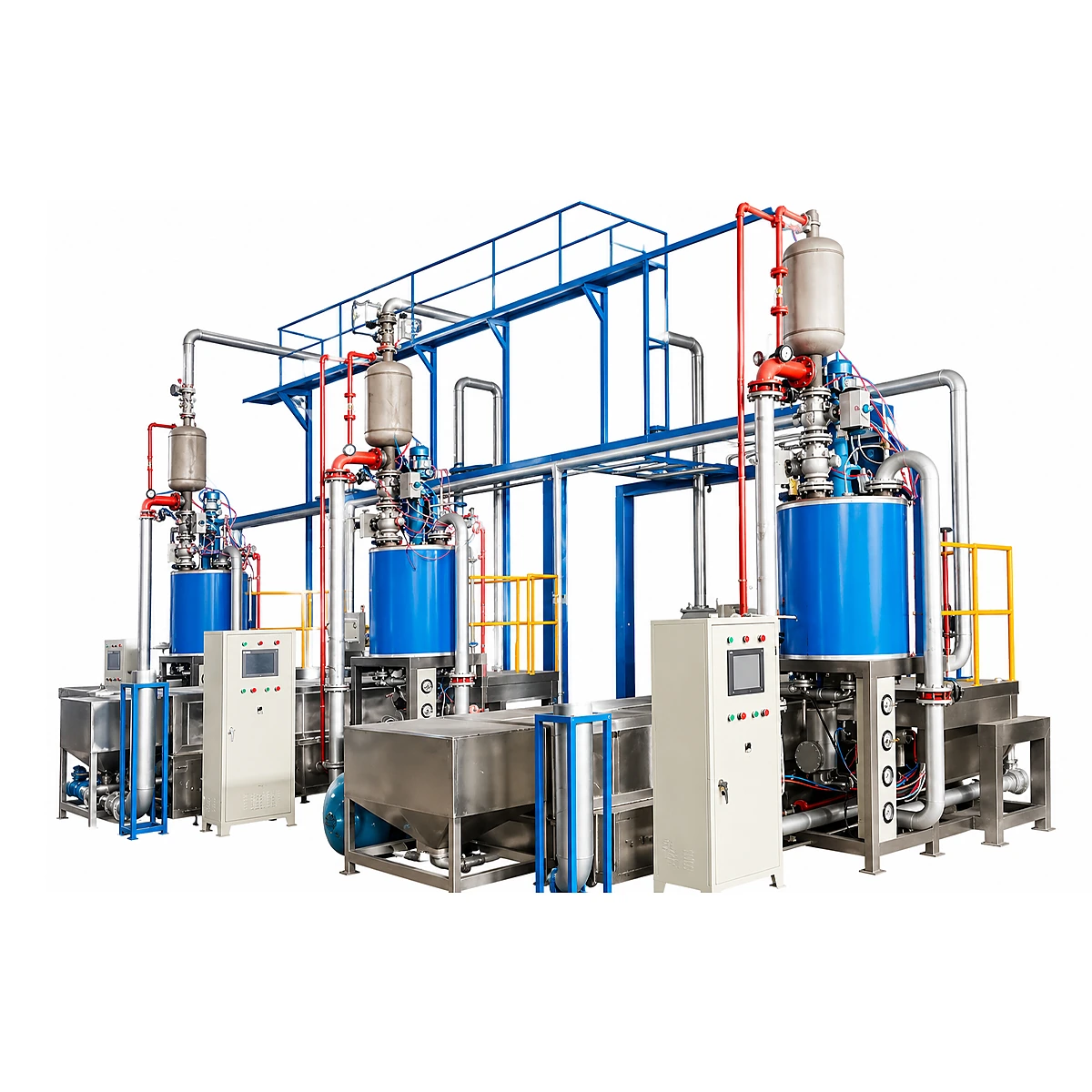
- Secondary foaming. EPP beads are usually pre-foamed, then aged and re-pressurized in a secondary foaming step before molding, to build the internal gas pressure that gives EPP its resilience. EPS skips this entirely. If you plan EPP, you need equipment such as a SPEPP-2F secondary foaming machine in the line from day one.
- Mold tooling. EPP's higher pressure and shrinkage behavior call for sturdier, more precisely vented aluminium molds. Tooling built for EPS density windows will not give you dimensionally stable EPP parts.
Because these choices ripple through boiler capacity, mold spend, and floor layout, the material decision should be the first question you answer when planning a line — not something you bolt on later. If EPP is where you are heading, work through the EPP molding tools and equipment list first: eight machines, what each one does, and which of them a quotation tends to leave out.
Step 1 — Define Your Product's Performance Requirements
Start with the part, not the material. Run your product through this five-point checklist and write down a plain answer for each:
| Question | Leans EPS if… | Leans EPP if… |
|---|---|---|
| How many impacts must it survive? | One drop / single use | Repeated impacts (200+), must recover shape |
| Is the part reused or recovered? | Disposed after one trip | Returnable, multi-trip, or in-service for years |
| What is the cost ceiling per piece? | Very tight — cheapest foam wins | Performance justifies higher material cost |
| Operating temperature & chemical exposure? | Ambient, dry, indoor | Hot, oily, or automotive under-hood |
| Required density range? | 10–30 g/L (light, rigid) | 20–120 g/L (tougher, energy-absorbing) |
If your answers cluster in the left column, EPS is almost certainly right and you can stop here. If two or more land on the right — especially "repeated impacts" or "reused" — EPP deserves a serious look despite its higher cost. The single most decisive factor is reuse: EPS crushes and stays crushed; EPP springs back, which is exactly what a bumper core or returnable container needs.
Step 2 — Match Material to Application
Most B2B parts fall into well-established patterns. Use this map as a starting point, then sanity-check it against your Step 1 answers:
| Application | Recommended | Why |
|---|---|---|
| Electronics & appliance packaging inserts | EPS | Single trip, light, cheapest protective fit |
| Cold-chain / seafood / pharma boxes | EPS | Low cost, good insulation, disposable |
| Building & roof insulation board | EPS | High R-value per dollar, static load |
| Disposable tableware (thermocol plates, dona) | EPS | One-use, ultra-low cost per piece |
| Automotive bumper cores & energy absorbers | EPP | Repeated impact recovery, crash energy management |
| Reusable transport dunnage / returnable boxes | EPP | Survives hundreds of handling cycles |
| Helmet liners, child-seat & seat components | EPP | Multi-impact safety, comfort, durability |
| HVAC & under-hood automotive parts | EPP | Heat and chemical resistance |
Two grey-zone cases are worth flagging. Returnable packaging can go either way: if it makes 3–5 trips, EPS may still win on total cost; beyond that, EPP's durability pays back. Insulation for vibration-prone equipment sometimes needs EPP even though EPS is the default, because EPS can fatigue under cyclic load. When in doubt, prototype both and test to failure.
Step 3 — Factor in Production Cost and Equipment
Material price is only part of the picture. The full cost of choosing EPP includes equipment you would not buy for an EPS-only line:
- Raw bead cost. EPP resin typically runs significantly higher per ton than EPS. For high-volume disposable parts, that gap alone can decide the project.
- Higher-pressure molder + boiler. EPP's 3–6 bar requirement means a heavier-duty shape molding machine and larger steam capacity than an equivalent EPS molder.
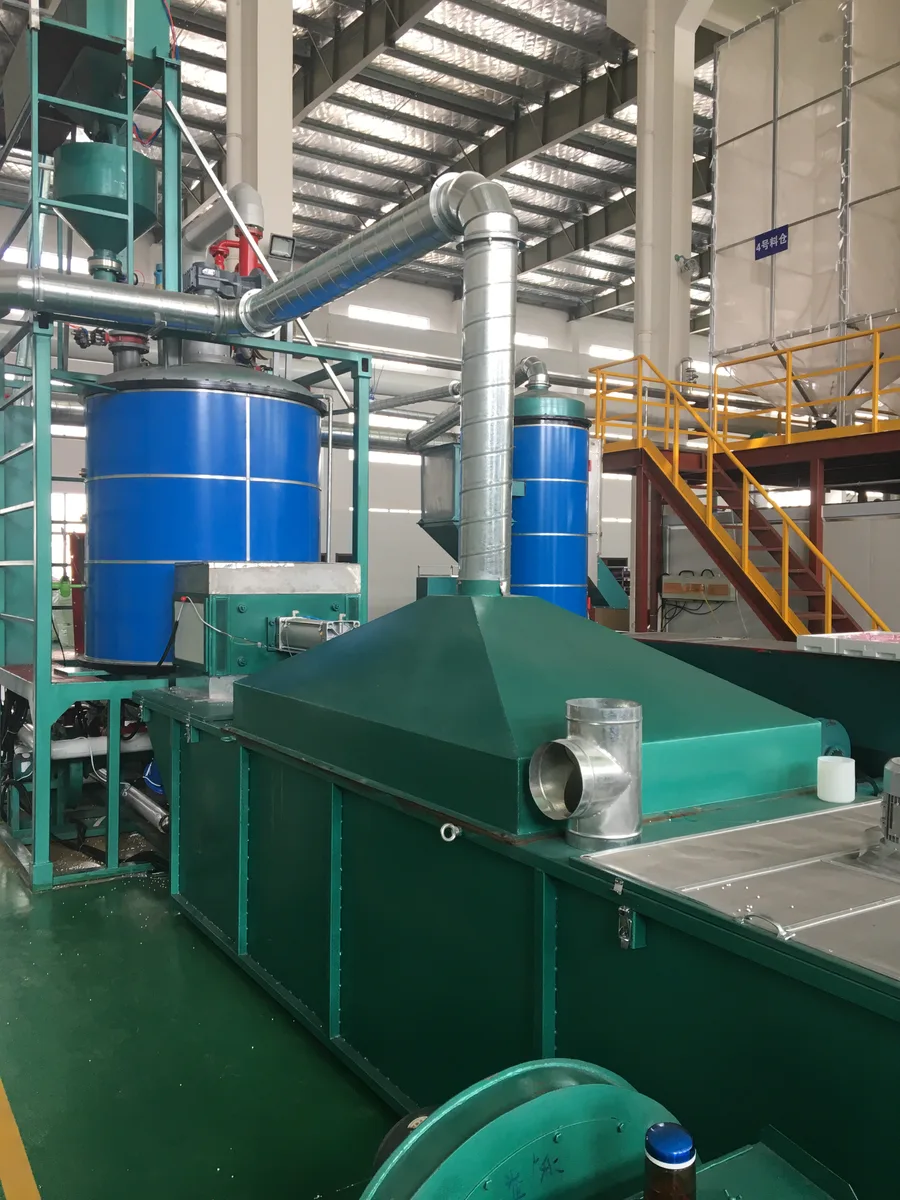
- Secondary foaming and aging. Budget for a secondary foaming system and silo/aging space — this is the step most new EPP entrants underestimate.
- Cycle time. EPP molding cycles are generally longer than EPS, lowering pieces-per-hour for the same machine footprint.
The practical takeaway: if your product genuinely only needs single-use protection, paying the EPP premium in both material and capital is wasted money. But if the part fails in the field as EPS — cracks, takes a set, or gets thrown away after one knock when it should be reusable — then EPS is the false economy. Decide based on the part's service life, not just the per-ton bead quote. The same logic, applied to insulation and packaging cost specifically, is broken down in our 7-property EPS vs EPP cost comparison.
Step 4 — Check Compliance, Standards and Recyclability
Your destination market may make part of this decision for you:
- Insulation standards. EPS rigid thermal insulation is governed by recognized specifications such as ASTM C578; if you are selling insulation board, match your density grade to the required compressive and R-value class.
- Blowing agents and chemical compliance. EPS uses pentane as a blowing agent, which is regulated under frameworks like the EU's REACH program administered by ECHA. Confirm your bead grade and emissions handling meet the importing market's rules.
- Recyclability and bans. Both EPS and EPP are recyclable, but collection infrastructure differs by region, and some markets restrict single-use EPS packaging. The US EPA's guidance on recycling and your local regulations should inform whether a disposable-EPS product is even viable in that market — an EPP reusable design can sidestep single-use bans entirely.
A Simple EPP-or-EPS Decision Framework
When you need a fast answer, run these five questions in order. The first "yes" that points to EPP usually settles it:
- Will the part be reused or returned? Yes → lean EPP.
- Must it absorb more than one impact and recover? Yes → lean EPP.
- Will it see heat, oil, or under-hood automotive conditions? Yes → lean EPP.
- Is single-use, lowest-cost protection the whole job? Yes → choose EPS.
- Does a single-use EPS ban or recycling rule block the market? Yes → reconsider EPP or a reusable design.
If you reach question 4 with all "no" answers above it, EPS is your material. If any of the first three are "yes," price out the EPP line before committing.
Common Mistakes When Choosing Between EPP and EPS
- Specifying EPP "to be safe." Over-engineering a single-use insert into EPP wastes material and capital. Match the material to the duty cycle.
- Forgetting the secondary foaming step. Buying an EPP-capable molder but no secondary foaming / aging capacity is the most frequent line-planning error.
- Comparing only bead price. The EPS-vs-EPP gap is in equipment, cycle time, and tooling as much as in resin.
- Ignoring the destination market's rules. A perfect EPS product is worthless in a market that bans single-use EPS packaging.
- Assuming one line does both well. A line optimized for EPS will make mediocre EPP and vice-versa; decide your primary material first.
EPP vs EPS Selection FAQ
Is EPP always better than EPS? No. EPP is tougher and reusable, but EPS is lighter, cheaper, and a better insulator per dollar. "Better" depends entirely on whether your part is single-use or multi-use.
Can I run EPP on my EPS machine? Generally no. EPP needs 3–6 bar steam versus 0.8–1.2 bar for EPS, plus a secondary foaming step. You need EPP-rated equipment and tooling.
Which is cheaper to produce? EPS, on both raw material and equipment. EPP costs more per ton and requires higher-pressure molding plus secondary foaming.
Which material should a new factory start with? For most new entrants, EPS — packaging, cold-chain, insulation, and tableware have huge, accessible demand and lower capital barriers. Add EPP once you have a confirmed reusable-part or automotive customer.
Are both materials recyclable? Yes, both EPS and EPP are recyclable, though regional collection infrastructure and single-use regulations vary — check the destination market before committing to a disposable EPS product.
Where can I see the detailed numbers? Our EPS vs EPP differences guide covers density, R-value, impact counts, and 2026 pricing; for a three-way view including ETPU, see the EPS vs EPP vs ETPU material guide. To compare the two materials and the production equipment each one needs, use our EPP vs EPS comparison hub.
Still unsure which way to go? Tell ChinaEps your part, target market, and expected volume. As a CE and ISO 9001 certified EPS and EPP equipment manufacturer serving 60+ countries, we will tell you honestly whether EPS or EPP fits — and configure the pre-expander, molder, and (for EPP) secondary foaming line to match.
Related Reading
- The EPP Manufacturing Process: 6 Stages and the 8 Main Tools in EPP Production — Extended reading in the same cluster.