
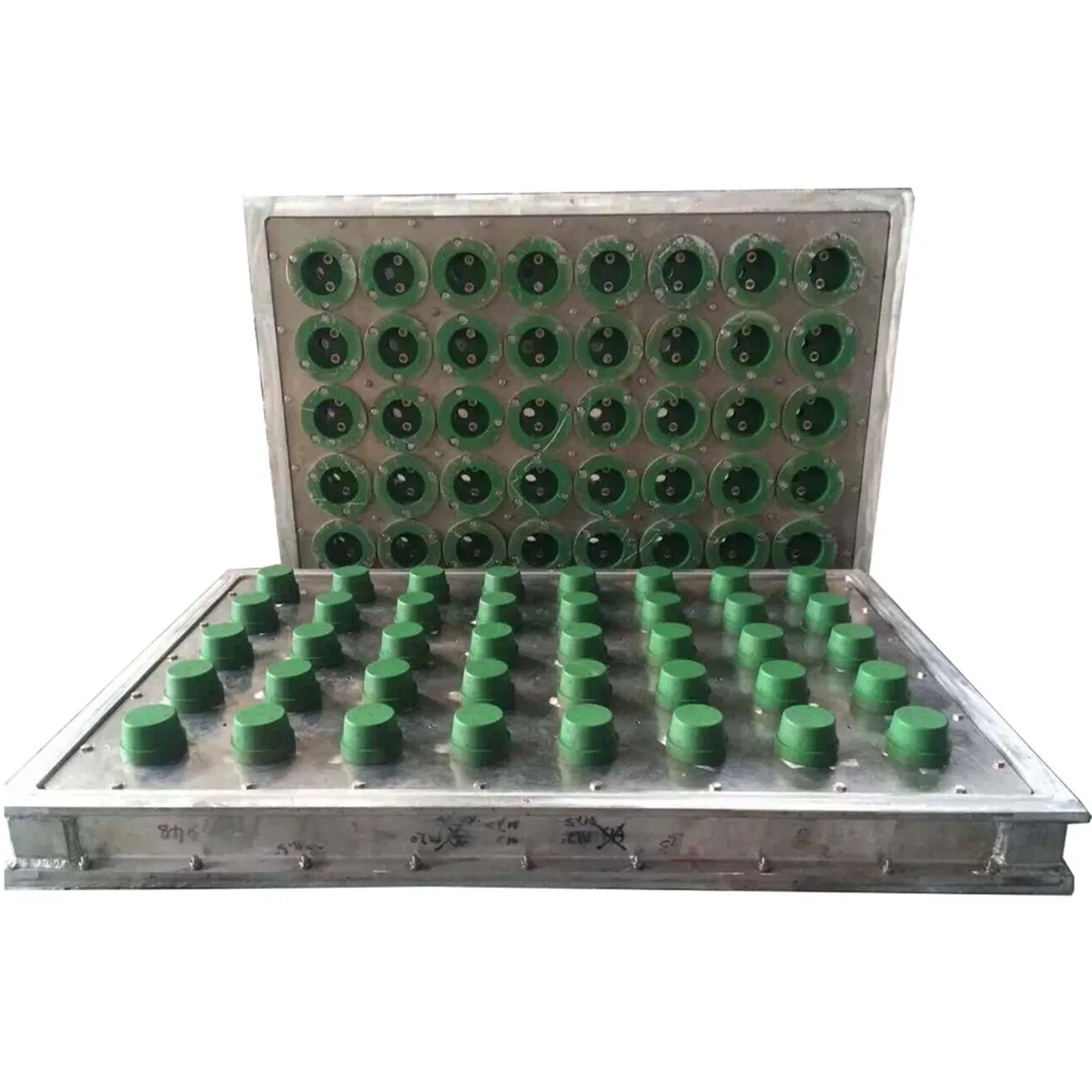
Thermocol plates, cups, and dona (disposable bowls) are all made on the same EPS (expanded polystyrene) shape molding machine — what changes is the aluminium mold and the cavity layout. Plates are flat, wide parts molded 20–40 cavities at a time; cups are deep-draw parts that need taller molds and run 40–60 cavities; dona are shallow bowls that sit between the two and offer the best pieces-per-cycle economics. For a new factory in India or South Asia, dona and plates give the fastest payback because molds are cheaper and demand from caterers, temples, and street-food vendors is enormous. This guide compares the three products on mold cost, cavity count, output, raw material per piece, and which to launch first.
If you have already read our thermocol making machine complete guide, you know the core equipment is an EPS shape molding machine fed by a pre-expander. The machine is the same whether you make plates, cups, or dona. The real decision — and where most first-time buyers get confused — is which product to tool up for first, and how the mold choice changes your output and per-piece cost. That is exactly what we break down below.
What Are Thermocol Plates, Cups, and Dona?
All three are single-use foam tableware items, steam-fused from pre-expanded polystyrene beads in a closed aluminium mold. "Thermocol" is the common Indian and South Asian name for EPS foam; "dona" (also spelled donna or pattal-dona) is the traditional Indian disposable bowl used for snacks, chaat, sweets, and temple prasad.
- Plate — a flat or shallow-rim circular dish, typically 6", 8", 10", or 12" diameter, used for full meals at weddings, canteens, and catered events.
- Cup — a deep-draw vessel for tea, coffee, lassi, water, and ice cream, usually 100–250 ml. The deep geometry is the hardest of the three to mold cleanly.
- Dona — a small shallow bowl (50–200 ml) for snacks and sweets. High-volume, low-material, and the everyday workhorse of Indian street food.
Plate vs Cup vs Dona — Side-by-Side Comparison
| Factor | Plate | Cup | Dona (Bowl) |
|---|---|---|---|
| Typical size | 6"–12" diameter | 100–250 ml | 50–200 ml |
| Geometry | Flat / shallow rim | Deep draw (hardest) | Shallow bowl (easiest) |
| Weight per piece | 3–6 g | 2–4 g | 1.5–3 g |
| Cavities per mold | 20–40 | 40–60 | 40–80 |
| Mold difficulty | Medium | High (vent & ejection) | Low |
| End market | Weddings, canteens, catering | Tea stalls, juice, ice cream | Street food, sweets, temples |
How Each Product Is Made (Same Machine, Different Mold)
The production sequence is identical across all three. Raw expandable polystyrene beads are pre-expanded with steam to 40–80× their original volume, aged in a silo for 6–12 hours to stabilize, then fed into the shape molder. Inside the closed mold, low-pressure steam (0.08–0.15 MPa) fuses the beads into the final shape; a short vacuum-and-water cooling cycle sets the part, and the mold ejects finished pieces. Total cycle time is 30–70 seconds depending on geometry.
What changes between plate, cup, and dona is entirely in the mold:
- Plates need wide, flat cavities with even steam distribution across the whole face to avoid soft centers and under-fused rims.
- Cups need deep cavities with carefully engineered steam vents (core pins) and a reliable ejection stroke — the deep draw makes venting and clean release the main engineering challenge.
- Dona are shallow and forgiving, so cavity counts can be pushed higher, giving the best pieces-per-cycle of the three.
Because the machine is shared, a single shape molder plus a set of interchangeable molds lets one factory produce all three products and switch SKUs in under an hour. This is the core economic argument for entering the thermocol tableware business: low product-switching cost, one steam and one cooling system, one operator.
Mold Cost and Cavity Count
| Mold type | Cavities | Relative mold cost | Pieces per cycle |
|---|---|---|---|
| Dona mold | 40–80 | Lowest | 40–80 |
| Plate mold | 20–40 | Medium | 20–40 |
| Cup mold | 40–60 | Highest (deep-draw + venting) | 40–60 |
Multi-cavity aluminium molds are the single biggest variable in your tooling budget. A simple dona or small-plate mold is the most affordable entry point; cup molds cost more per cavity because the deep-draw geometry requires precision venting, core pins, and a robust ejection system to release the part without tearing the foam.
Output and Cost per Piece
At a 45–60 second cycle, a single shape molder runs roughly 60–80 cycles per hour. Multiply by cavity count to estimate hourly output:
| Product | Cavities | Approx. output / hour | Foam material per 1,000 pcs |
|---|---|---|---|
| Dona | 60 | 3,600–4,800 pcs | ~1.5–3 kg |
| Plate (8") | 30 | 1,800–2,400 pcs | ~3–6 kg |
| Cup (200 ml) | 50 | 3,000–4,000 pcs | ~2–4 kg |
With EPS raw beads at roughly $1,500–$2,500 per ton, the foam material cost per piece is a fraction of a cent — which is why thermocol tableware remains price-competitive against paper and bagasse alternatives in cost-sensitive markets. The dominant cost drivers in this business are not raw material but steam energy and labor, so an efficient boiler and good cycle discipline matter more to your margin than bead price alone.
Which Should You Produce First?
For a new factory — especially in India, Nepal, Bangladesh, or across South Asia — we recommend launching in this order:
- Dona first. Lowest mold cost, highest cavity count, and constant year-round demand from street vendors, sweet shops, and temples. Fastest payback and the easiest geometry to mold while your operators learn the machine.
- Plates second. Higher value per piece and strong seasonal demand from weddings and catering. Medium mold cost, medium difficulty.
- Cups last. Add cup molds once your team has mastered cycle control, because the deep-draw geometry is the least forgiving and rewards experience with venting and ejection tuning.
This staged approach lets you generate cash flow from dona while you build the operating skill needed to run cup molds at low reject rates.
Raw Material and Food-Contact Considerations
Use a food-grade EPS bead designed for shape molding (a P-grade / packaging grade with the right cell size). Selecting the correct grade is critical — our EPS raw material grades guide explains the difference between block, packaging, and specialty grades. Foam polystyrene has a long history of use in food-service articles; in the United States, food-contact materials and their safe-use conditions are regulated by the U.S. FDA food-contact materials program, and exporters should confirm the destination country's own food-contact and single-use plastics rules before shipping. Note that some jurisdictions restrict or ban single-use EPS food service — verify local regulation for your target market.
On the quality side, consistent fusion and density control are what separate a sellable plate from a brittle reject. Running your line under a documented quality system such as ISO 9001:2015 — the standard ChinaEps equipment is certified to — helps you hold cycle parameters stable and keep reject rates low as you scale.
Equipment Package for a Thermocol Tableware Line
A complete plate / cup / dona line is built from the same core stack regardless of which product you start with:
- Pre-expander — expands and controls bead density (the single biggest lever on per-piece weight and cost).
- Aging silo — stabilizes beads for 6–12 hours before molding.
- Shape molding machine — the SM-series molder that fuses beads in your chosen mold.
- Multi-cavity aluminium molds — one set per product (dona / plate / cup), interchangeable on the same machine.
- Steam boiler + air compressor + chiller — utilities that drive the molding and cooling cycle.
- Recycling crusher — to reclaim edge trim and rejects back into the feed.
As a rough budget reference, a starter 200–400 piece-per-hour setup begins in the low five figures FOB China for a single mold, scaling up toward fully automated multi-mold lines for higher throughput. For an exact configuration and quotation matched to your target product mix and capacity, contact ChinaEps with your daily output goal.
Frequently Asked Questions
Can one machine make plates, cups, and dona? Yes. The shape molding machine is the same; you simply swap the aluminium mold. A single molder plus three mold sets can produce all three products and switch SKUs in under an hour.
Which is cheapest to start with? Dona. The mold is the most affordable, the geometry is the most forgiving, and demand is steady year-round — making it the fastest-payback entry point.
Why are cup molds more expensive? The deep-draw shape requires precision steam venting (core pins) and a strong ejection system to release the part cleanly. That engineering raises the cost per cavity compared with flat plate or shallow dona molds.
How much raw material does a thermocol plate use? An 8" plate weighs roughly 3–6 grams, so 1,000 plates consume only about 3–6 kg of EPS — a fraction of a cent of material per piece at typical bead prices.
Is thermocol tableware allowed everywhere? No. Some countries and states restrict or ban single-use EPS food service. Always confirm the food-contact and single-use plastics regulations in your destination market before investing.
Ready to plan your line? ChinaEps supplies CE and ISO 9001 certified pre-expanders, SM-series shape molders, and multi-cavity dona / plate / cup molds, with full export support to India and 60+ countries. Tell us your target product and daily output, and we will recommend the right mold mix and machine configuration.