EPE and EPS look similar on a pallet, but they are different polymers made on completely different machines, and they fail in opposite ways — so picking the wrong one shows up as either scratched product or crushed packaging. EPE (expanded polyethylene) is a soft, flexible foam extruded from LDPE; EPS (expanded polystyrene) is a rigid, brittle bead foam moulded from steam-expanded polystyrene. The short rule: choose EPE when the foam must be soft, flexible, and surface-safe — scratch-free interleaving, electronics and furniture wrapping, repeated-use cushioning. Choose EPS when it must be rigid, dimensionally stable, insulating, and cheap per cubic metre — thermal insulation board, structural void fill, corner blocks, cold-chain liners. This guide compares the two property by property — including the four differences most comparisons skip: water uptake, service temperature, solvent resistance, and fire behaviour — then gives a fast decision framework and the EPE sheet and EPS sheet specifications buyers actually order against. For the broader rigid-foam material question, pair this with our EPS vs EPP differences and applications guide.
EPE vs EPS Foam Sheet: The Quick Answer
Both are closed-cell foams, both are light, and both are used to protect goods — which is exactly why buyers confuse them. The difference that matters is flexibility versus rigidity. EPE is a soft, rubbery polyethylene foam that bends, folds, and springs back; EPS is a rigid, brittle polystyrene foam that holds a shape and resists compression but does not recover from a hard hit.
If your sheet has to wrap around a curved surface, slide between two finished panels without scratching them, or survive being handled hundreds of times, EPE wins. If your sheet has to insulate a wall, fill a void under load, or be produced at the lowest possible cost for single use, EPS wins. Almost every real sourcing decision comes down to those two sentences; the property data, cost drivers, and sheet specifications below are what turn that call into a purchase order.
EPE, EPS, EPP, XPS: Which Acronym Do You Actually Need
Quick answer: EPE full form is Expanded Polyethylene. EPE sheet full form follows the same material. EPS full form is Expanded Polystyrene.
Half the confusion behind “EPE vs EPS” is that five foam acronyms sit within one letter of each other, and suppliers use them loosely. The full forms first, because that alone settles most of it: EPE = Expanded Polyethylene, EPS = Expanded Polystyrene, EPP = Expanded Polypropylene, XPS = Extruded Polystyrene. The acronyms identify the polymer family — and the polymer is what decides how the foam behaves. Manufacturing route is a separate question: EPE, EPS and EPP are all expanded (bead or foamed) polymer foams, while XPS specifically denotes the extruded process.
| Acronym | Full form | Feel | Bought mainly for |
|---|---|---|---|
| EPE | Expanded Polyethylene (LDPE) | Soft, flexible, springs back | Scratch-free wrapping, interleaving, reusable cushioning |
| EPS | Expanded Polystyrene | Rigid, brittle, visible fused beads | Insulation board, cold-chain boxes, low-cost protective packaging |
| EPP | Expanded Polypropylene | Rigid but resilient, recovers after impact | Automotive cores, returnable crates, multi-impact protection |
| XPE / IXPE | Cross-linked polyethylene foam (chemically / irradiation cross-linked) | Finer cells, smoother skin, firmer than EPE | Premium surface protection, sports and automotive trim |
| XPS | Extruded Polystyrene | Rigid, no visible beads, coloured board | Higher-strength, lower-absorption insulation board |
Route yourself from here. If your real question is soft polyethylene versus rigid polystyrene — wrapping versus insulating — this page is the one to read. If you are choosing between two rigid bead foams for a production line, the decision is EPS versus EPP and belongs in our EPS vs EPP differences and applications guide; if engineered TPU is also on the shortlist, the EPS vs EPP vs ETPU material guide adds that option. And if a buyer says “Styrofoam”, ask which one they mean: Styrofoam is a registered trademark for extruded polystyrene (XPS) insulation board, but in North American everyday speech it is applied to white EPS packaging — two different products at two different prices.
What EPE and EPS Foam Sheets Actually Are
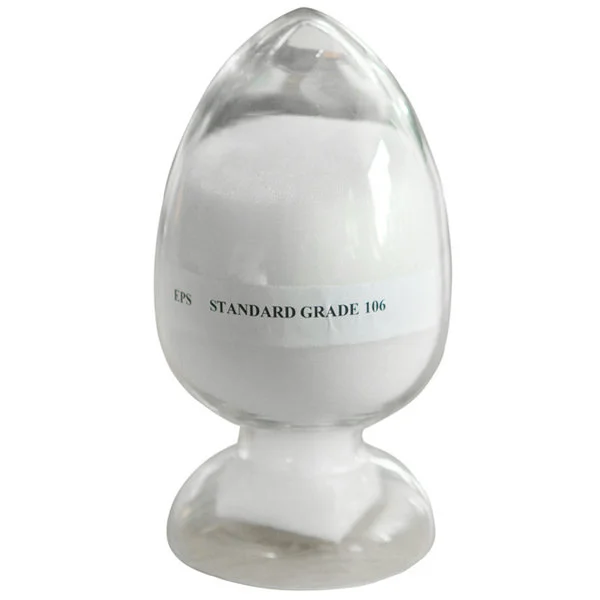
EPS foam (expanded polystyrene) is a rigid, closed-cell bead foam made by steam-expanding polystyrene beads and fusing them in a mould or block, then cutting the block into sheet. Typical sheet density is 10–30 kg/m³, it is roughly 98% air, and it is one of the most cost-effective rigid insulation and packaging boards in volume production. EPE foam is its flexible counterpart: an extruded polyethylene foam that bends and recovers instead of holding a fixed shape.
EPE (Expanded Polyethylene) sheet is produced by foaming low-density polyethylene (LDPE) — usually on an extrusion line with a physical blowing agent — into a soft, flexible closed-cell sheet or roll. The cells are fine and the surface is smooth and non-abrasive, which is why EPE is a common choice for protecting finished surfaces. It has low water absorption, good chemical resistance, and is resilient: compress it and it returns to shape, making it suitable for products that get packed, unpacked, and re-packed.
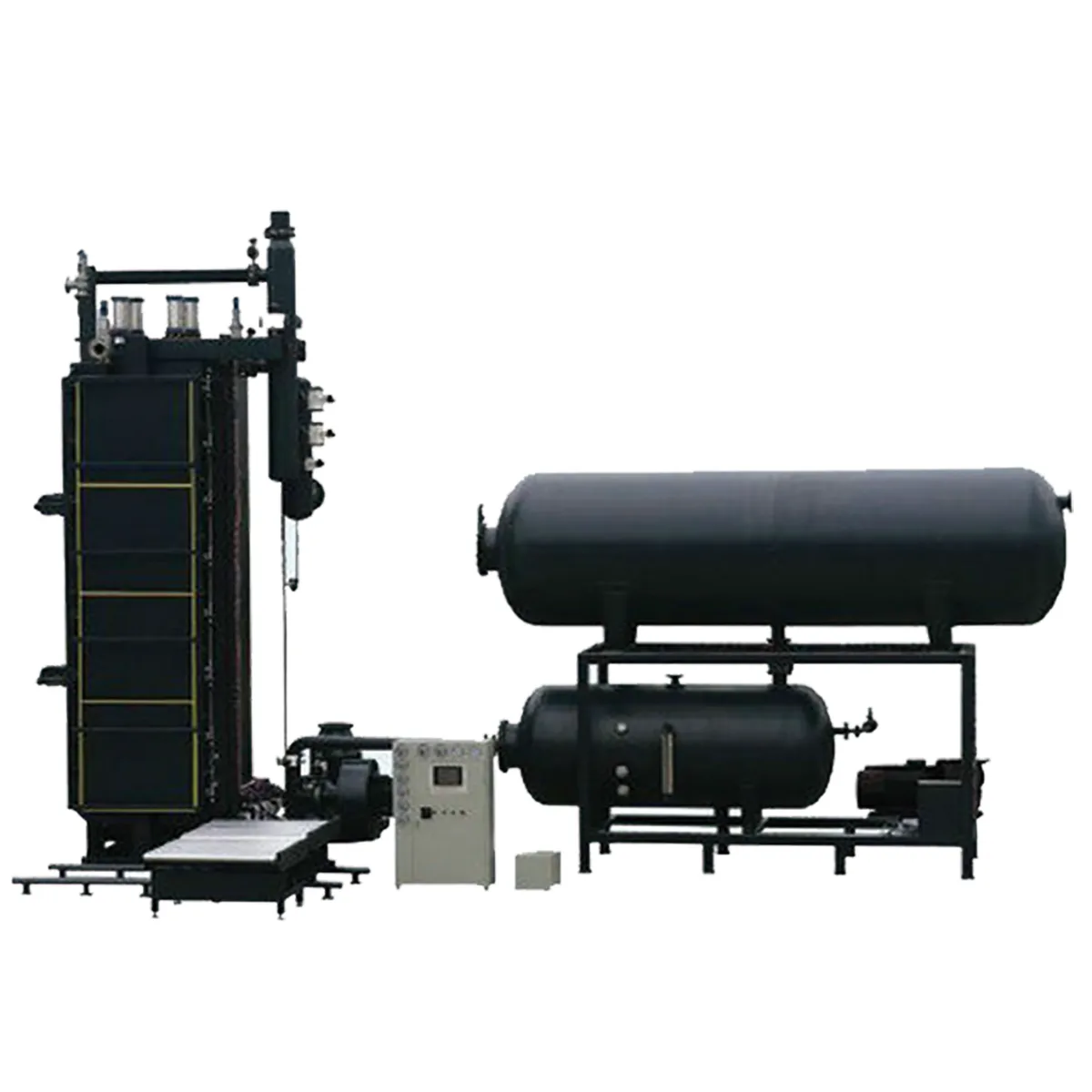
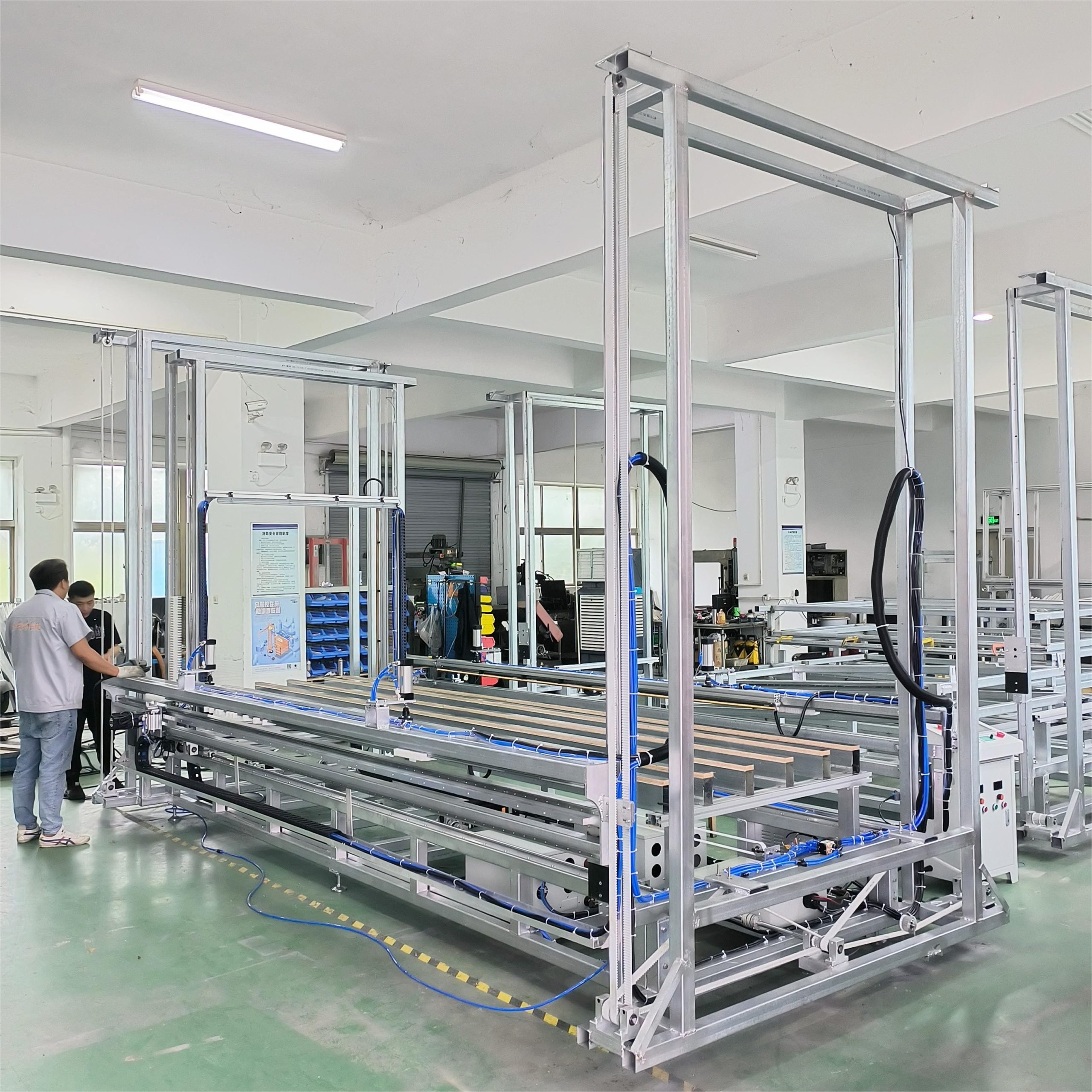
EPS (Expanded Polystyrene) sheet is produced the other way around: polystyrene beads are pre-expanded with steam and pentane, fused into a large rectangular block in a block molding machine, then sliced into sheets of the required thickness on a hot-wire or CNC cutting line. The result is a rigid, low-cost board with excellent thermal insulation and good compressive strength — but it is brittle, can shed beads when cut, and does not recover after a crushing impact.
In short: EPE is extruded and flexible; EPS is bead-molded and rigid. That single manufacturing difference drives every property below.
EPE Foam Sheet Specifications: Thickness, Density and Roll Sizes
The first thing to understand when sourcing EPE foam is that it is usually quoted differently from EPS. Because EPE foam comes off an extrusion line at its final thickness, thin gauges are wound into rolls rather than cut into flat boards. A typical EPE order is therefore specified as roll width, roll length and gauge, while an EPS order is specified as sheet length, width and thickness cut from a block. If a supplier quotes you “per roll” for one material and “per sheet” for the other, that is not an inconsistency — it reflects how each foam is actually produced.
Thickness. Thin EPE foam grades are the wrapping and interleaving products: flexible enough to bend around a wrapped item and to feed through converting equipment from the roll. Thicker cushioning grades behave more like a plank: they are supplied flat, and very thick sections are commonly built up by heat-laminating several extruded layers together rather than extruded in one pass. Exact gauge availability varies by extrusion line, so confirm the thickness options with your converter or supplier before locking a packaging design.
Density. Typical EPE foam sheet density runs 20–45 kg/m³ — a higher range than the 10–30 kg/m³ common for EPS packaging grades, which is one reason EPE costs more per cubic metre. Within that range, lower density gives a softer, more conformable wrap for light or scratch-sensitive items; higher density gives a firmer cushion that supports heavier products without bottoming out. The right pick depends on the load per contact area, so weigh the packed product before choosing a grade.
Rolls versus sheets. This supply-form difference has practical consequences beyond the quote sheet. Rolls store compactly, cut to length on site with a knife, and suit high-mix packing stations where item sizes change daily. Flat EPS boards, by contrast, arrive pre-cut from the cutting line at fixed dimensions and suit repeatable, box-shaped protection and insulation jobs. If your operation needs both behaviours — soft wrap plus rigid structure — many packers combine an EPE foam inner wrap with an EPS outer fitment instead of forcing one material to do both jobs.
Property-by-Property Comparison
| Property | EPE Foam Sheet | EPS Foam Sheet |
|---|---|---|
| Base polymer | Low-density polyethylene (LDPE) | Polystyrene (PS) |
| Texture / feel | Soft, flexible, rubbery | Rigid, hard, brittle |
| Typical density | 20–45 kg/m³ | 10–30 kg/m³ (packaging grades) |
| Surface protection | Excellent — non-abrasive, scratch-free | Poor — can scuff and shed beads |
| Impact recovery | High — springs back, reusable | Low — crushes on hard impact |
| Compressive rigidity | Low — deforms under load | High — holds shape under load |
| Thermal insulation | Moderate | Excellent (R ≈ 3.6–4.2 per inch) |
| Foldability / wrapping | Yes — bends around shapes, rolls | No — flat rigid boards only |
| Relative cost per m³ | Higher | Lower |
| Recycling stream | LDPE (resin #4) | PS (resin #6) |
Read the table as a set of trade-offs, not a winner: EPE buys you softness, recovery, and surface safety at a higher price; EPS buys you rigidity, insulation, and low cost at the price of brittleness. Neither is “better” — they are tuned for different jobs.
The Four Differences Most Comparisons Skip: Water, Temperature, Solvents, Fire
Stiffness is the difference everyone quotes. It is not the difference that causes the failures we get called about. A foam that was right on the bench fails in service because of what surrounds it — moisture, heat, a solvent-based adhesive, or a fire specification nobody checked. These four columns decide more sourcing arguments than the softness debate does.
| Behaviour | EPE (expanded polyethylene) | EPS (expanded polystyrene) | What it means in practice |
|---|---|---|---|
| Water uptake (7-day immersion) | Typically below 1% by volume | Roughly 1–3% by volume | EPE is the safer choice for wet handling and repeated wash-down; EPS is fine when it stays dry or is faced, but its R-value degrades as it takes up water |
| Continuous service temperature | About −40 to +80 °C; softens as LDPE approaches ~90 °C | About −50 to +75 °C; deforms above ~80 °C | Neither foam is a hot-side material. If continuous exposure exceeds about 80 °C, standard EPE and EPS grades are no longer suitable; EPP (stable to roughly 130 °C) or another specialised insulation/cushioning material should be evaluated against the specific application |
| Solvent and oil resistance | Good — polyethylene resists most acids, alkalis, alcohols, oils and greases | Poor — polystyrene is attacked and dissolved by petrol, acetone, and aromatic or chlorinated solvents | The single most common EPS field failure: a solvent-based adhesive or spray paint melts the board. Specify water-based, EPS-safe adhesives, or use EPE where solvent contact is possible |
| Fire behaviour | Burns and drips molten polymer; flame-retardant PE grades exist but are not the construction norm | Combustible, but flame-retardant (FR) grades are standard and classified for building use | For anything specified into a building, EPS-FR is the material with the established route; see our flame-retardant EPS bead grades guide |
| Anti-static (ESD) grades | Widely available — typically the pink sheet and bag stock used for electronics | Available but uncommon in sheet form | If the packed item is an electronic assembly, EPE is usually the practical answer regardless of the stiffness comparison |
Test methods matter as much as the numbers, because “low water absorption” is meaningless without the immersion period. Rigid EPS insulation board is specified under ASTM C578, which sets density, compressive resistance and R-value classes; flexible polyolefin foams such as EPE are tested under ASTM D3575, which covers density, compression, and water absorption for cellular olefin materials. Ask any supplier which standard and which duration their figure comes from — a 24-hour and a 7-day water absorption number are not comparable.
Which Sheet for Which Application
| Application | Best sheet | Why |
|---|---|---|
| Anti-scratch interleaving between panels / glass / appliances | EPE | Soft, non-abrasive surface; will not mar finishes |
| Electronics and fragile goods cushioning | EPE | Absorbs and recovers from repeated shocks |
| Furniture and door surface wrapping | EPE | Flexible, conforms to edges and curves |
| Thermal insulation board (walls, roofs, cold rooms) | EPS | High R-value, rigid, dimensionally stable |
| Structural void fill and corner blocks | EPS | Compressive strength holds the load |
| Cold-chain box liners and fish-box panels | EPS | Rigid insulation at the lowest cost |
| Heavy single-use export packaging | EPS | Cheapest rigid protection per cubic metre |
| Reusable returnable packaging / dunnage | EPE | Survives many handling cycles without crushing |
A practical rule of thumb: if the customer will see and touch the protected surface and complain about a scratch, specify EPE. If the customer just needs the contents to arrive intact at the lowest cost, or needs the sheet to insulate, specify EPS.
Cost and Production Reality
EPS sheet is typically cheaper per cubic metre, for two reasons. First, polystyrene beads expand 40–50× in volume, so a small mass of raw EPS raw material yields a large board. Second, the production route — pre-expander, block molder, cutting line — is mature, high-throughput, and well understood. If you are already running EPS equipment, adding sheet output is mostly a cutting question; our EPS block molding machine packaging guide covers the block-to-sheet workflow in detail.
EPE sheet is produced on extrusion foaming lines, a different process and a different capital investment from EPS bead equipment. The raw LDPE resin costs more than polystyrene, the foam density is typically higher, and the finished sheet sells at a premium — which is justified only when the application genuinely needs softness, surface safety, or reusability. Specifying EPE for a job EPS could do is a common and expensive over-spec.
The honest sourcing takeaway: if you are a manufacturer or trader deciding what to produce, EPS sheet has the lower equipment and material cost and is widely used across packaging and construction. EPE is a specialty add-on, not a like-for-like substitute. ChinaEps builds the EPS pre-expanding, block-molding, and cutting equipment for the EPS side of this decision.
Recycling, Standards and Compliance
Both foams are recyclable, but through different streams. EPS is polystyrene (resin identification code #6) and is recycled by densifying or compacting clean scrap into ingots for re-extrusion; EPE is polyethylene (resin code #4) and follows the LDPE film recycling stream. Mixing the two contaminates both, so production scrap should be segregated. For background on plastics recovery and the recycling codes, see the US EPA recycling resources.
On standards: rigid EPS thermal insulation board is specified under ASTM C578 (Standard Specification for Rigid, Cellular Polystyrene Thermal Insulation), which sets density, compressive resistance, and R-value classes. Flexible polyolefin foams such as EPE are tested under ASTM D3575 (Standard Test Methods for Flexible Cellular Materials Made From Olefin Polymers). Quote the right standard to your buyer and your specification stops being a guess. ChinaEps equipment is built under an ISO 9001 quality system, and EPS insulation grades can be configured to the relevant compressive and fire classes on request — see our EPS insulation board production line guide for the equipment and density classes behind rigid insulation sheet.
A Fast EPE-or-EPS Sheet Decision Framework
Work through these four questions in order and the answer usually falls out:
1. Does the sheet touch a finished, scratch-sensitive surface? Yes → lean EPE. No → continue.
2. Will the sheet be used and handled many times, or is it single-use? Many cycles → lean EPE (recovery). Single-use → lean EPS (cost).
3. Does the sheet need to bear a load, hold a shape, or insulate? Yes → EPS (rigidity and R-value). No → EPE stays viable.
4. Is cost per cubic metre the deciding factor? Yes → EPS is typically cheaper. No → pick on performance.
If two answers point to EPE and two to EPS, default to the failure mode you cannot accept: a scratched surface argues EPE; a crushed or under-insulating board argues EPS. When the application is rigid packaging or insulation, EPS is the high-volume, low-cost answer — and it is the side ChinaEps equips end to end.
EPS Sheet Specifications: Thickness, Size and Density
Most buyers searching for an EPS sheet are not asking “EPS or EPE” — they already know they want the rigid board and need the numbers to write a purchase order. This section gives the standard specification ranges we cut on production lines, and what each one is driven by.
| Specification | Common range | What determines it |
|---|---|---|
| Thickness | 10 / 20 / 25 / 30 / 50 / 75 / 100 mm | Set on the cutting line hot-wire spacing; any intermediate thickness is a wire-pitch change, so custom thicknesses carry no tooling cost |
| Sheet face size | Commonly 1000 × 2000 mm and 1200 × 2400 mm | Derived from cross-cutting a molded block; face size is capped by the block mold cavity, not by the cutter, so other sizes can be produced against a different mold |
| Density — packaging fill | 10–12 kg/m³ | Void fill, rigid spacers, and corner protection where load is light and cost per cubic metre dominates |
| Density — insulation board | 15–20 kg/m³ | Wall, roof and cold-room panels; the range where R-value per unit cost is at its best |
| Density — structural / load bearing | 25–30 kg/m³ | Under-slab, geofoam and load-carrying void fill where compressive resistance is specified |
| Tolerance | ±1–2 mm on thickness | Hot-wire temperature stability and block ageing time after molding |
How many sheets come out of one block
A typical EPS block from a block molding machine measures roughly 4000 × 1200 × 1000 mm. Cutting across the 1000 mm dimension gives you, per block, about 100 sheets at 10 mm, 40 at 25 mm, 33 at 30 mm, 20 at 50 mm or 10 at 100 mm, before kerf loss. Hot-wire kerf is small but not zero, so plan on losing roughly 1–3% of block volume to cutting waste depending on how thin you slice.
How EPS sheet is priced
EPS sheet is commonly compared on a volume-and-density basis, even when the commercial quotation is given per sheet — because the raw material cost scales with density and volume, while the cutting cost barely changes with thickness. Practically, this means a 100 mm sheet costs about ten times a 10 mm sheet of the same face size, and every additional 5 kg/m³ of density adds roughly proportional bead cost per cubic metre. If a supplier quotes you per sheet without stating density, the quotation is not comparable: two “50 mm insulation boards” at 12 and 20 kg/m³ are different products at different prices with different R-values.
The production chain behind the sheet
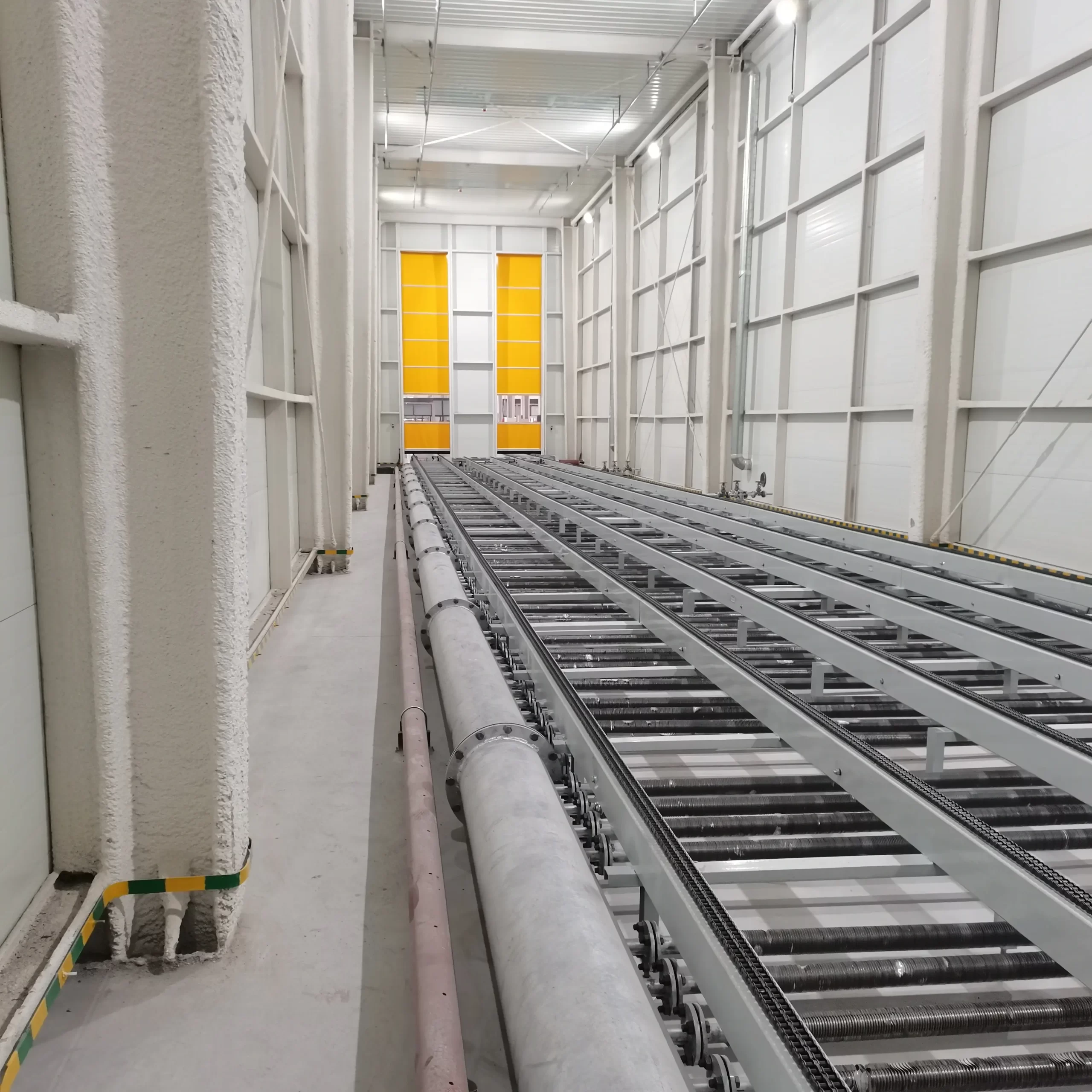
Four stages, each with its own machine: pre-expander (steam-expands the raw beads to target density — this is where density is actually decided), silo ageing (beads stabilise for 6–24 h so the block does not shrink later), block molding (beads fuse into the billet in an SPB-S block molding machine), and cutting (the block is sliced to sheet thickness on an SPQ-A cutting line). Density is locked in at stage one; thickness and face size are decided at stage four. That is why a sheet producer needs the whole line, not just a cutter.
Frequently Asked Questions
Is EPE foam the same as EPS foam?
No. EPE is expanded polyethylene — a soft, flexible foam made from LDPE on an extrusion line. EPS is expanded polystyrene — a rigid, brittle foam made from pre-expanded polystyrene beads and block molding. They share a closed-cell structure and low weight but behave oppositely: EPE bends and recovers, EPS holds its shape and resists compression.
What do EPE and EPS stand for?
EPE is the full form of Expanded Polyethylene — a soft, flexible closed-cell foam extruded from low-density polyethylene (LDPE), sold as sheet, roll, bag and profile, and known in Asian trade as “pearl cotton”. EPE sheet is simply sheet stock made from that same material. EPS is the full form of Expanded Polystyrene — a rigid closed-cell foam made by steam-expanding polystyrene beads and fusing them into blocks or moulded shapes. Same two-letter pattern, different polymers: PE gives flexibility, PS gives rigidity and a lower cost per cubic metre.
Is EPE foam the same as Styrofoam?
No, and the question hides two separate mix-ups. Styrofoam is a registered trademark for extruded polystyrene (XPS) insulation board, so technically it is neither EPE nor EPS. In everyday North American speech, however, “Styrofoam” is used for white expanded polystyrene — cups, coolers, packaging blocks — which is EPS. Either way it is a polystyrene product: rigid and brittle. EPE is polyethylene, soft and flexible, and behaves nothing like it. When a buyer writes “Styrofoam” on an enquiry, confirm whether they mean XPS board or white EPS before quoting.
Is EPE foam the same as PE foam, XPE or IXPE?
All four are polyethylene foams, but they are not interchangeable. “PE foam” is the generic family name. EPE is the non-cross-linked, extruded grade — the common, lower-cost sheet and roll stock with visible coarse cells. XPE is chemically cross-linked and IXPE is irradiation cross-linked; cross-linking gives a finer, more uniform cell structure, a smoother skin, better temperature resistance and a higher price. Specify EPE for bulk protective packaging, and XPE or IXPE when appearance, fine cell structure, or heat resistance is part of the requirement.
Which absorbs less water, EPE or EPS?
EPE. Polyethylene foam typically takes up less than 1% water by volume in a 7-day immersion test, while EPS is usually in the 1–3% range. That matters in two situations: outdoor or wash-down handling, where EPE holds its properties better, and insulation, where any water EPS absorbs directly reduces its effective R-value. Always check the immersion period behind a quoted figure — a 24-hour result and a 7-day result under ASTM D3575 are not the same measurement.
Can I use the same adhesives and paints on EPE and EPS?
No, and this is the most frequent avoidable EPS failure. Polystyrene is dissolved by petrol, acetone, and aromatic or chlorinated solvents, so a solvent-based adhesive or spray paint will melt an EPS board on contact — use water-based or explicitly EPS-safe adhesives instead. Polyethylene resists most acids, alkalis, alcohols, oils and greases, so EPE tolerates a much wider range of chemicals, though its low surface energy means it often needs a primer or corona treatment for adhesives to bond well.
Which foam sheet is better for protecting scratch-sensitive surfaces?
EPE. Its soft, non-abrasive surface will not mar finished panels, glass, electronics, or furniture, and it recovers after compression so it can be reused. EPS sheet is harder and can scuff or shed beads against a finished surface, so it is better suited to rigid void fill and insulation than to surface protection.
Why is EPS foam sheet cheaper than EPE?
EPS beads expand 40–50 times in volume, so a small mass of raw material produces a large board, and the pre-expander to block-molder to cutting-line route is a mature, high-throughput process. EPE uses more expensive LDPE resin at a higher foam density on extrusion lines, so EPE sheet typically sells at a premium. For most rigid packaging and insulation jobs, EPS is the lower-cost choice.
Can I produce both EPE and EPS sheets on the same equipment?
No. EPS sheet is cut from molded blocks using EPS pre-expanding, block-molding, and cutting machines, while EPE sheet requires a polyethylene extrusion foaming line — a different process and capital investment. If you already run EPS equipment, expanding into sheet output is mainly a cutting and sizing question rather than new core machinery.
Which standards apply to EPE and EPS foam sheets?
Rigid EPS thermal insulation board is specified under ASTM C578, which defines density, compressive resistance, and R-value classes. Flexible polyolefin foams such as EPE are tested under ASTM D3575. Citing the correct standard to your buyer turns a vague specification into a verifiable one and avoids disputes on density, strength, or fire class.
What is a typical thickness for an EPS sheet?
Common stocked thicknesses are 10, 20, 25, 30, 50, 75 and 100 mm, with a typical tolerance of ±1–2 mm. Thickness is set by hot-wire spacing on the cutting line rather than by a mold, so any intermediate thickness can be cut to order without tooling cost — you only change the wire pitch.
What EPS sheet sizes are available?
Common face sizes include 1000 × 2000 mm and 1200 × 2400 mm, produced by cross-cutting a molded block (commonly around 4000 × 1200 × 1000 mm). The maximum face size is limited by the block mold cavity, not by the cutting line, so other sizes can be produced with a different block mold depending on the supplier and production line.
Which EPS sheet density should I choose for insulation?
For thermal insulation board, 15–20 kg/m³ is the working range — it gives the best R-value per unit of cost. Go down to 10–12 kg/m³ only for light packaging fill, and up to 25–30 kg/m³ when the board must carry structural load, such as under-slab or geofoam use.
What is the difference between foam sheet and foam block?
For EPS they are the same material in two form factors, not two products. A foam block is the large rectangular billet that comes straight out of a block molding machine — typically up to about 4 × 1.2 × 1 m — and is used whole for structural void fill, corner packaging, and civil geofoam. A foam sheet is that same block sliced to a chosen thickness on a hot-wire or CNC cutting line, giving flat panels for insulation board, box liners, and interleaving. In other words: block is the molded raw form, sheet is the cut finished form, and the same EPS line produces both. EPE, by contrast, is extruded directly as a flexible sheet or roll and is not molded into rigid blocks.