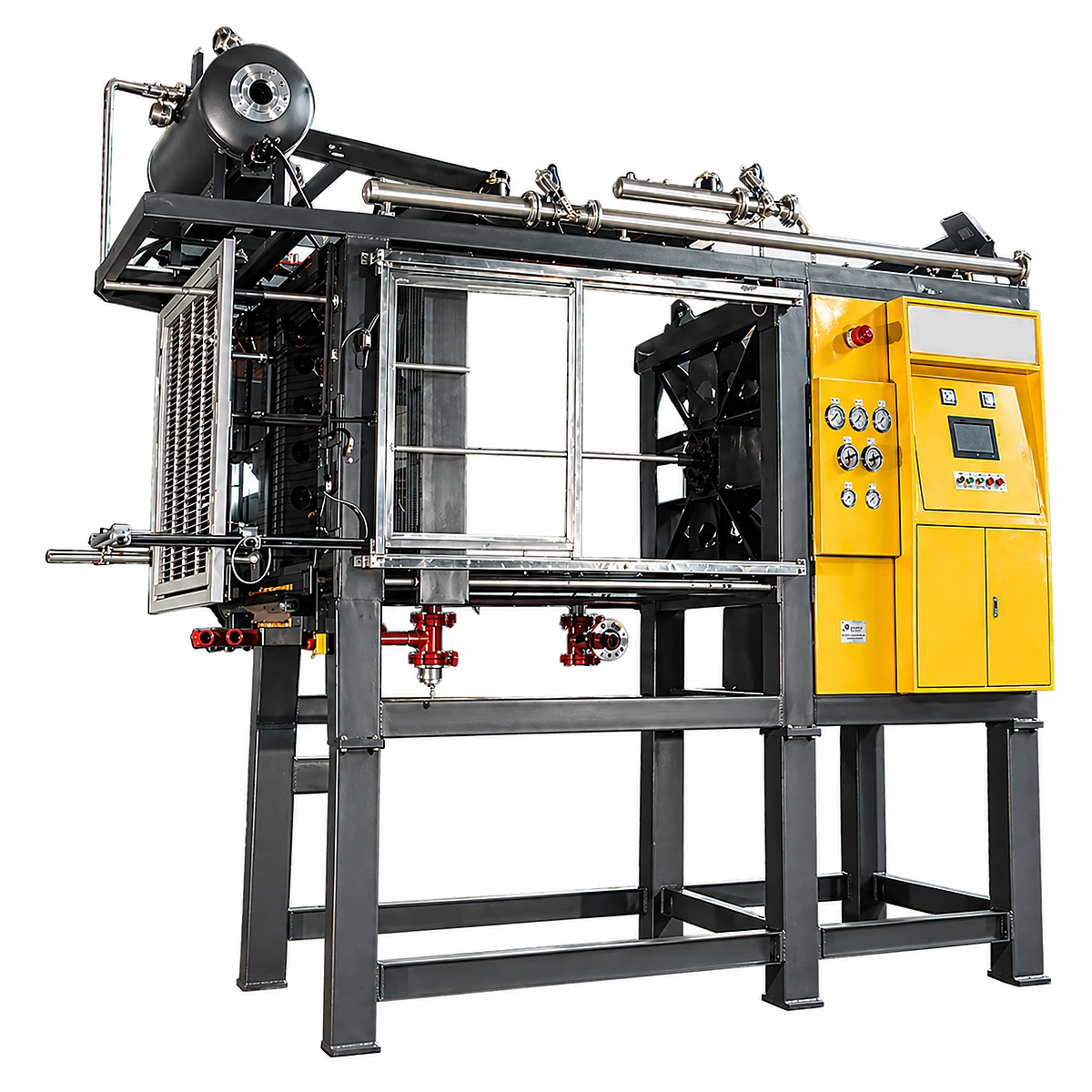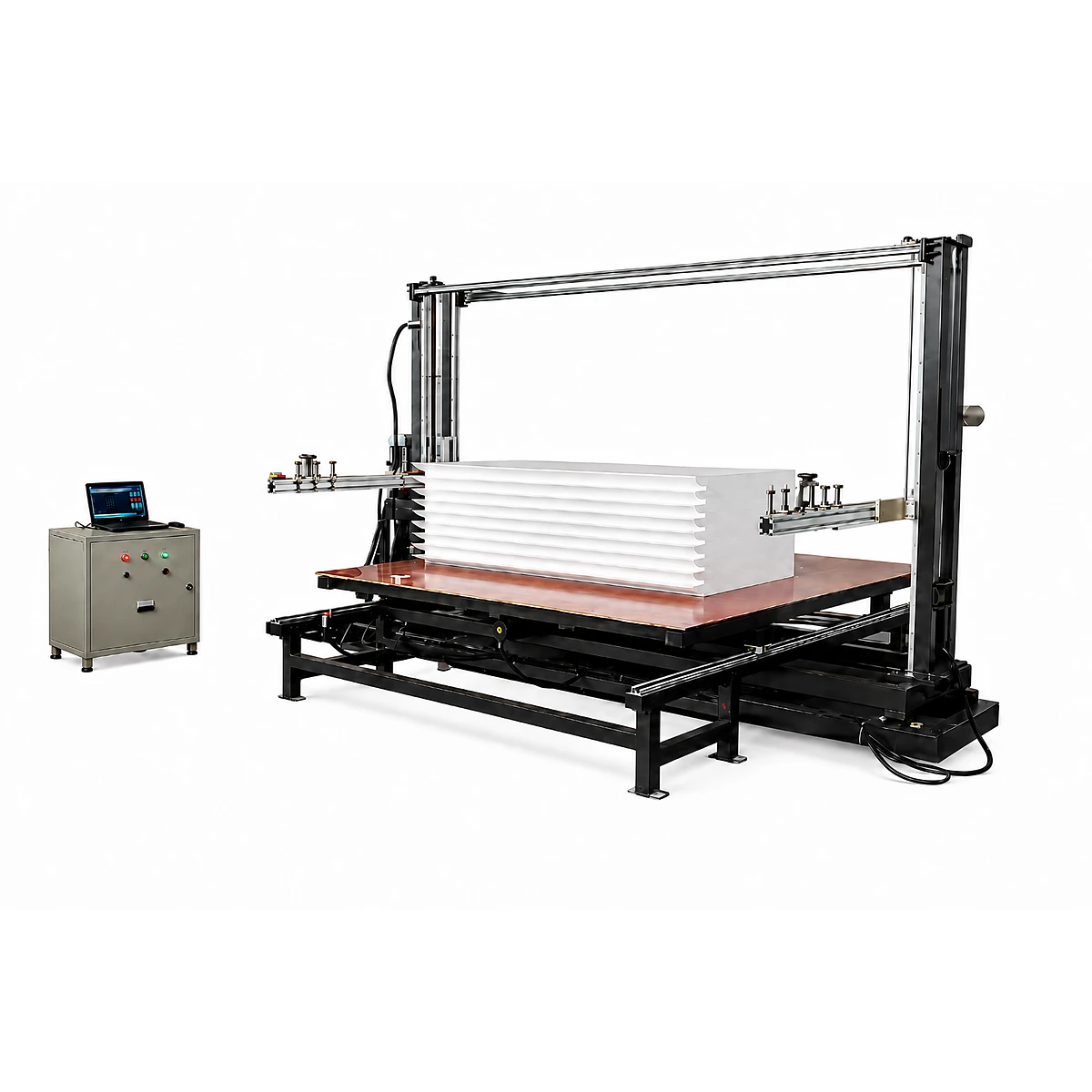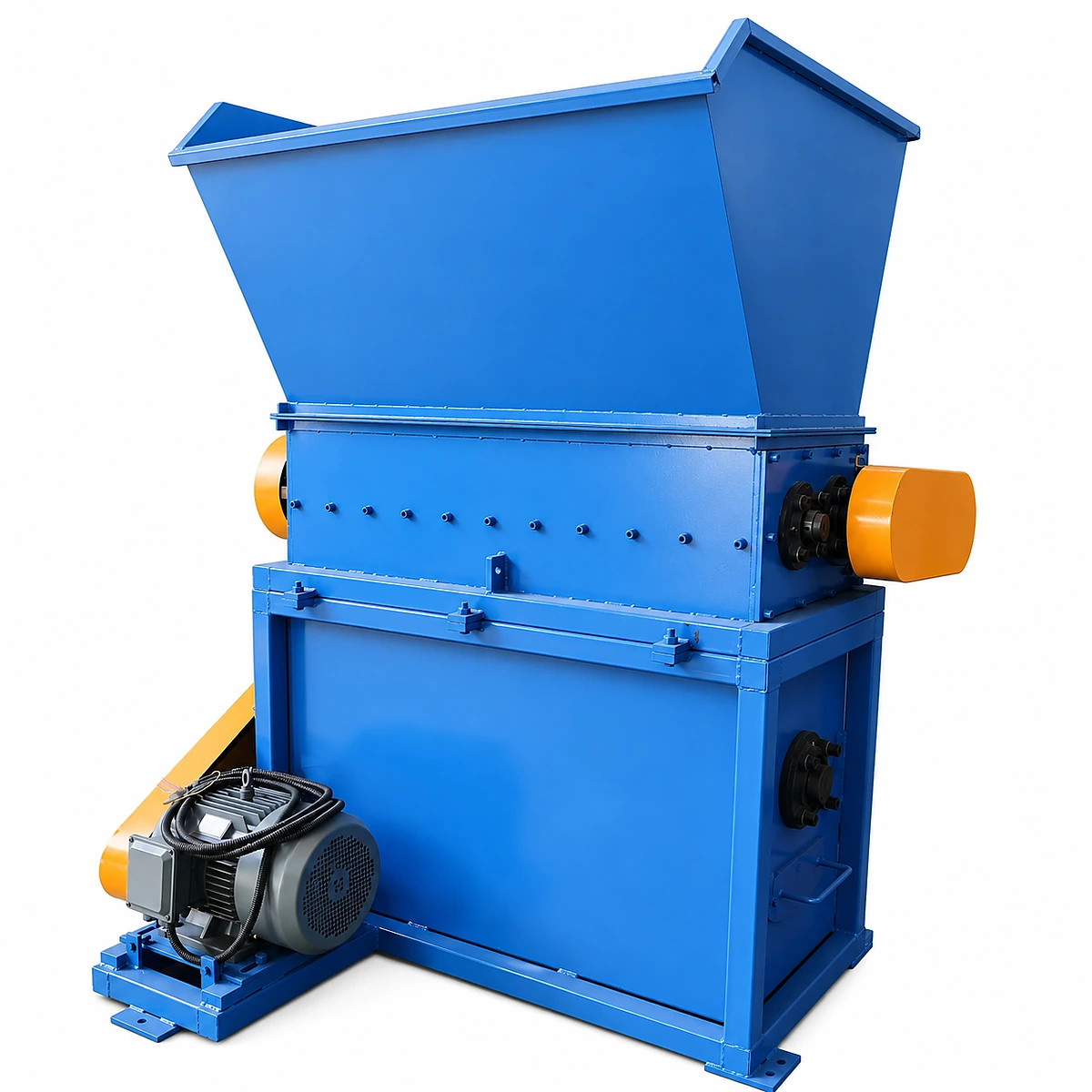
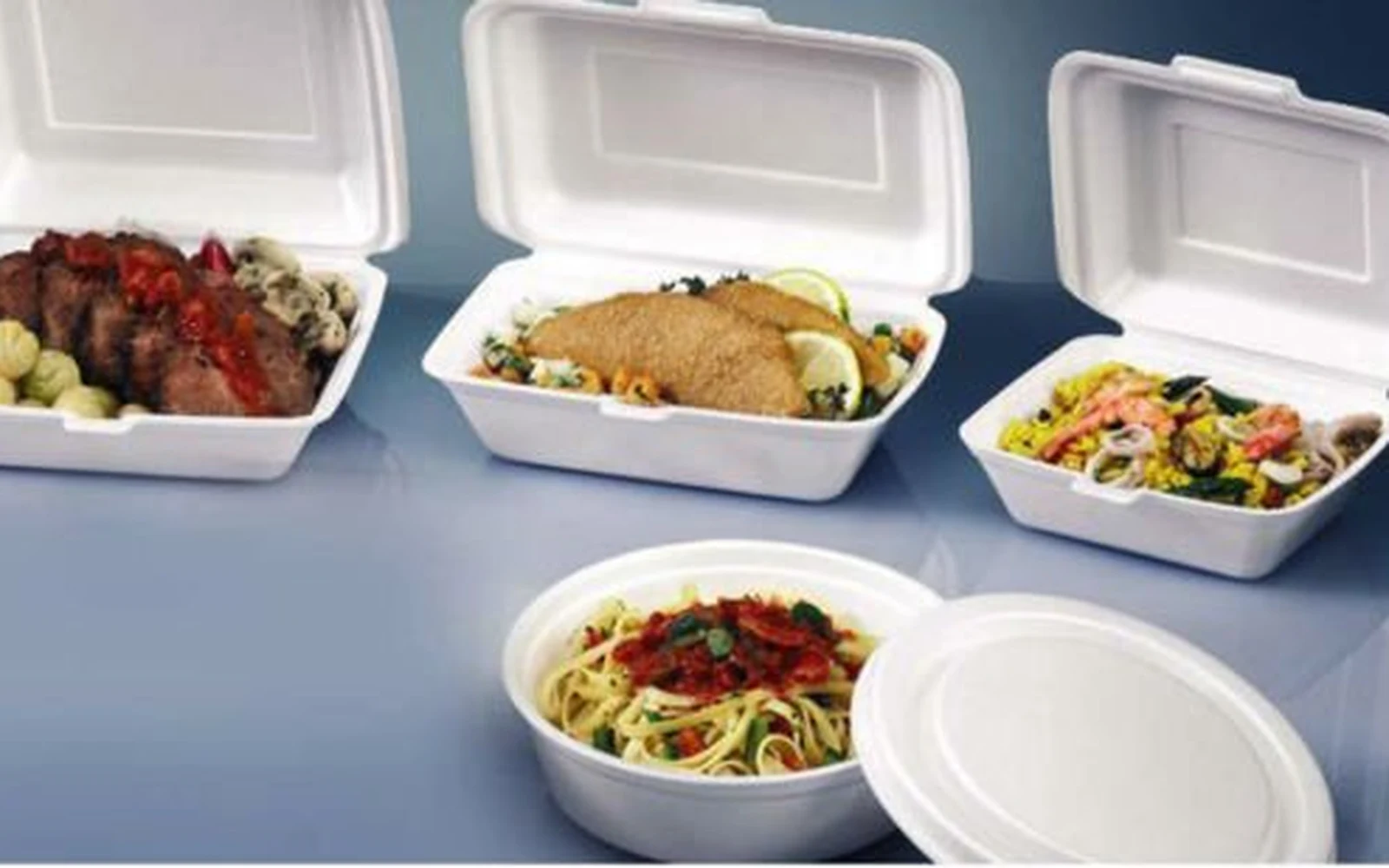
A thermocol making machine — also called an EPS thermocol making machine — is the Indian and South Asian name for an EPS (expanded polystyrene) shape molding machine — the same equipment that produces thermocol plates, cups, dona (disposable bowls), sheets, and packaging boxes by steam-fusing pre-expanded polystyrene beads in custom aluminium molds. A complete thermocol plate making machine line — pre-expander, shape molder, and multi-cavity dona/plate molds — starts at USD 70,000 FOB China for a 200–400 piece/hour setup, scaling to USD 250,000+ for fully automated 1,500 piece/hour lines. CE and ISO 9001 certified Chinese suppliers typically deliver and commission in 60–90 days.
India is one of the largest thermocol manufacturing markets in the world, with strong demand from disposable tableware, fish and fruit packaging, ICF construction, and cold-chain logistics. Yet many first-time buyers are confused by the terminology: "thermocol" in India and Bangladesh refers to exactly the same material that the global polymer industry calls EPS or polystyrene foam. This guide explains the equipment behind each thermocol product category, current 2026 prices for thermocol plate, cup, dona, sheet, and box making machines, and how to source a complete production line from China with proper certification.
What Is an EPS Thermocol Making Machine?
A thermocol making machine is an EPS shape molding machine engineered to fuse pre-expanded polystyrene beads into finished foam products under controlled steam pressure (0.08–0.12 MPa) and temperature (110–125°C). The machine clamps an aluminium mold cavity, injects steam to bond the beads, then vacuum-cools and ejects the finished thermocol part. Cycle times range from 30 seconds (small cups) to 3 minutes (large packaging boxes), depending on density and mold complexity.
A complete thermocol production line consists of four core machines:
- Pre-expander (e.g. PE-1200 or SPJY-1400) — expands raw EPS beads to target density (12–30 kg/m³) using steam at 80–110°C.
- Aging silo — stabilises pre-expanded beads for 6–24 hours (mandatory for consistent molding).
- Shape molding machine (e.g. SM-1000 / SM-1200 / SM-1400) — the thermocol making machine itself; cycles steam, vacuum, and ejection.
- Mold sets — custom aluminium cavities for plates, cups, dona, trays, boxes — typically 12–72 cavities per mold for tableware.
Why "Thermocol" Means EPS in India and South Asia
"Thermocol" entered Indian commerce as a trade name in the 1950s and stuck — today the word is genericised across India, Bangladesh, Sri Lanka, Nepal, and Pakistan to mean any EPS foam product, much like "Xerox" means photocopy in many countries. Outside South Asia, the same material is called EPS, expanded polystyrene, styrofoam (US trade name), isopor (Brazil), or gabus (Indonesia). Material properties, machinery, and production processes are identical — only the local name changes. According to the EPS Industry Alliance, global EPS production has reached over 6 million tons per year, with South Asia accounting for a fast-growing share driven by disposable tableware and cold-chain demand.
Thermocol Products and the Machines That Make Them
Thermocol Plates and Dona (Disposable Tableware)
A thermocol plate making machine and a thermocol dona making machine use the same shape molding base — only the mold differs. A multi-cavity plate mold (typically 24–48 cavities) produces 200–400 plates per hour on an SM-1200; a deeper dona mold for disposable bowls (16–24 cavities) produces 150–300 dona per hour. Plate density is typically 14–18 kg/m³ for the leaf-shape dinner plate market in India, scaling up to 22 kg/m³ for cup-style snack bowls. Mold change between plate, cup, and dona profiles takes under 45 minutes on the SM-1200, so a single thermocol making machine can produce all three product families in one shift. For a side-by-side breakdown of cavities, hourly output, raw material per piece, and which product pays back fastest, see our thermocol plate vs cup vs dona comparison.
Thermocol Cups
A thermocol cup making machine is a shape molding setup with deeper, taller cavities (60–250 ml range). Multi-cavity cup molds carry 16–36 cavities depending on cup size. The SM-1200 produces 100–250 cups per hour at standard tea / snack sizes (typically 18–25 kg/m³ density to handle hot fluids). For thinner-wall ice cream cups, density drops to 14–16 kg/m³ with shorter cycle times. Add-on options: optional printing line for branded thermocol cups, automatic stacking and counting unit.
Thermocol Sheets
A thermocol sheet making machine is a different equipment class — it pairs a block molding machine (such as the SPB-S or BM-1400) with a hot-wire cutter (such as the SPQ-B cutting line). The block molder produces large EPS blocks (typically 4,000 × 1,200 × 1,000 mm), which are aged for 24–72 hours, then sliced into sheets of 10–200 mm thickness with ±1 mm tolerance. Thermocol sheet production is the dominant business for ICF construction, EIFS panel insulation, and packaging board exporters across Indian states like Gujarat, Maharashtra, and Tamil Nadu.
Thermocol Boxes for Cold-Chain Packaging
A thermocol box making machine is the same SM-1000 / SM-1200 / SM-1400 shape molder with a single-cavity or 2-cavity box mold (for fish boxes, fruit trays, vaccine carriers, and ice cream cold-chain boxes). Box sizes range from 5L vaccine carriers up to 60L fish export boxes. Production rate: a single SM-1200 with a 20L fish box mold produces 200–400 boxes per hour. Density is critical: 18–22 kg/m³ for stackable fish boxes that survive 50+ shipping cycles, 14–16 kg/m³ for single-use fruit trays.
Thermocol Making Machine Specifications
Reference specs for the SM-1200, the most popular thermocol making machine for Indian and South Asian factories:
- Mold size (L × W): up to 1,200 × 1,000 mm
- Steam pressure: 0.08–0.12 MPa (closed-loop regulated)
- Hydraulic clamping force: 25 tons
- Cycle time: 60–150 seconds (depends on thermocol product type and density)
- Installed power: 25 kW
- Machine weight: 8,500 kg
- Dimensions (L × W × H): 3,800 × 2,400 × 3,000 mm
- Control: PLC with touch screen + recipe memory (English / Hindi / Bahasa interface available on request)
- Certifications: CE (SGS Taiwan), ISO 9001:2015
Thermocol Plate Making Machine Price in 2026
FOB China 2026 pricing for thermocol production lines (ex-Qingdao, Shanghai, or Ningbo):
- Starter line (200–400 plates/hour): USD 70,000–95,000. Includes PE-1200 pre-expander + SM-1000 shape molder + one multi-cavity plate or dona mold. Suitable for regional Indian disposable tableware suppliers entering the market.
- Standard line (600–1,200 plates/hour): USD 110,000–160,000. Includes PE-1400 + SM-1200 + multi-cavity mold + automatic stacker. Best for mid-scale operators serving multi-state distribution.
- Flagship line (1,500–2,500 plates/hour): USD 200,000–300,000. Includes PE-1800 + 2× SM-1200 + multi-cavity molds + auto packaging + scrap recycling. For large-volume export-grade tableware factories.
Add-ons: custom mold ($3,000–$15,000 each), printing line ($25,000+), cold-chain packaging mold conversion ($5,000–$12,000). Sea freight to Nhava Sheva, Chennai, or Mundra adds 8–14% over FOB. India import duty for HS 8477.40 (foam molding machinery) sits at 7.5% Basic Customs Duty + 18% IGST in 2026 — always confirm with a licensed customs broker before order.
Thermocol Recycling Machine
A thermocol recycling machine reduces post-consumer or post-industrial EPS waste into densified blocks or repelletized resin. Two main technologies: (1) cold densifier / compactor — uses screw compression at 30:1 ratio to crush thermocol scrap into solid blocks for sale to recyclers ($30,000–$80,000), and (2) hot-melt extruder — fully melts EPS waste into recycled polystyrene pellets for re-use in non-foam applications ($80,000–$150,000). The SPH-C1250 EPS crusher + cold compactor combo is the most common entry point for Indian thermocol manufacturers managing factory scrap (typical 5–10% of production volume). Government recyclability rules under India's Plastic Waste Management Amendment Rules 2022 are increasing demand for in-plant thermocol recycling.
How to Choose the Right Thermocol Machine for Your Factory
Five questions to answer before placing an order:
- What thermocol products will you make? Plates / dona / cups / boxes → shape molder (SM series). Sheets → block molder + cutter. Both → install both lines side-by-side.
- What's your target daily output? <5,000 pieces/day → starter line. 5,000–25,000 → standard. 25,000+ → flagship.
- Do you need flame-retardant grade? For ICF construction or insulation thermocol, yes — request FR-grade pre-expander calibration + HBCD-free PolyFR resin sourcing.
- Power and steam supply available? Confirm 380V/3-phase or 415V Indian standard; boiler capacity must deliver 800–1,500 kg steam/hour at 0.4 MPa.
- Floor space? A standard SM-1200 line needs 25 × 12 m clear, with 4.5 m ceiling for the silo. Plan separate raw bead storage and finished goods area.
From China to India: Shipping, CE Certification, After-Sales
ChinaEps ships complete thermocol production lines to Indian customers through Mumbai (Nhava Sheva), Chennai, Mundra, and Kolkata ports. Lead time: 60–90 days from order signing to commissioning at your factory. Selected pre-expander and cutting machine series are CE certified by SGS; certification documents for the quoted model are available upon request. ChinaEps holds ISO 9001 quality management certification and supplies complete electrical schematics in English. For Indian regulatory compliance, BIS (Bureau of Indian Standards) certification of the finished thermocol product can be supported through partner test labs in Mumbai and Bangalore — see the Bureau of Indian Standards for IS specifications applicable to EPS food-contact packaging.
After-sales: 5-year warranty on machine frame and steam circuit, 24-hour remote diagnosis via video call, on-site service across India through authorised partners in Gujarat and Tamil Nadu, spare parts shipped within 48 hours from Qingdao warehouse. Operator training: 3-day on-site or 2-day at our Qingdao factory before shipment.
Frequently Asked Questions
What is a thermocol making machine?
A thermocol making machine is the Indian and South Asian name for an EPS (expanded polystyrene) shape molding machine. It steam-fuses pre-expanded polystyrene beads in custom aluminium molds to produce thermocol plates, cups, dona, sheets, boxes, and packaging trays. The machine itself is identical to an EPS shape molder used in any other country — only the regional name "thermocol" differs.
How much does a thermocol plate making machine cost in 2026?
A starter thermocol plate making machine line (200–400 plates/hour) costs USD 70,000–95,000 FOB China, including pre-expander, SM-1000 shape molder, and one multi-cavity plate or dona mold. Mid-scale lines (600–1,200 plates/hour with SM-1200) run USD 110,000–160,000. Flagship lines (1,500+ plates/hour) reach USD 200,000–300,000. Add 8–14% for sea freight to Indian ports plus 7.5% BCD + 18% IGST import duty.
Can the same thermocol making machine produce plates, cups, and dona?
Yes. A single SM-1200 thermocol making machine produces plates, cups, dona, trays, and boxes — only the aluminium mold changes. Mold changeover takes under 45 minutes with quick-change interface. One machine can run plate molds in the morning shift and dona molds in the afternoon shift if needed. Mold inventory: most thermocol factories keep 4–8 standard molds covering their core SKU range.
What is a thermocol dona making machine?
A thermocol dona making machine is the SM-1200 (or SM-1000 for smaller volume) shape molder fitted with a multi-cavity dona mold. Dona — disposable foam bowls traditional in Indian foodservice — typically run at 16–24 cavities per mold producing 150–300 dona per hour at density 14–18 kg/m³. The same machine can swap to plate, cup, or tray molds, so it's not a dedicated dona-only machine.
How much does a thermocol cup making machine cost?
A thermocol cup making machine line is structurally identical to a plate making machine but uses deeper cavities. A 200-cups/hour starter line and a 500–800 cups/hour standard line are priced on request, depending on cavity count and mold complexity. Cup molds typically carry 16–36 cavities depending on cup size (60–250 ml range). Add an optional printing line ($25,000+) if you need branded cups for tea / coffee chains.
What is a thermocol sheet making machine?
A thermocol sheet making machine is a two-stage equipment set: a block molding machine (SPB-S or BM-1400) that produces large EPS blocks (typically 4,000 × 1,200 × 1,000 mm), followed by a hot-wire cutting line (SPQ-B) that slices the aged blocks into sheets 10–200 mm thick with ±1 mm tolerance. Total investment for a starter sheet line is priced on request, depending on block molder size and cutting line automation level. Sheets are the dominant format for ICF construction, EIFS panel insulation, and packaging board export.
Is thermocol the same as EPS?
Yes — thermocol is the South Asian regional name for EPS (expanded polystyrene). Material chemistry, density range, machinery, and production processes are identical worldwide. The same product is called styrofoam in the US (trade name), isopor in Brazil, gabus in Indonesia, and EPS in industrial and scientific contexts globally. When sourcing equipment, "thermocol making machine" and "EPS shape molding machine" return the same products from Chinese suppliers.
What raw material do I need for thermocol production?
Standard expandable polystyrene (EPS) beads with 5–7% pentane blowing agent content. For Indian thermocol plate, cup, and dona production, the typical grade is F-MS or equivalent (bead diameter 0.7–1.0 mm, 13–18 kg/m³ target density) — see our EPS raw material grades guide for how F-MS compares to block and specialty grades. Major resin suppliers serving India include LG Chem (Korea), Innova (Braskem-Brazil), Sinopec (China), and domestic producers like Supreme Petrochem and BASF India. Plan for 16–25 kg of raw beads per cubic meter of finished thermocol product, depending on final density.
Looking for a thermocol making machine for your Indian factory? Contact our India sales team for a complete production line quote, including pre-expander, shape molder, mold selection guidance, and shipping to Nhava Sheva / Chennai / Mundra. We provide free factory layout drawings and ROI projections before you commit.