A batch of pre-expanded EPS beads needs a minimum of 8–12 hours in an aging silo before it can be molded, and most plants target 18–24 hours for a stable fusion result. The window moves with density, temperature and humidity, and it has an upper limit too: beads left in storage past 72–96 hours lose expansion capacity and start shrinking after demolding instead of during it. Below is why the wait exists, how it changes across the density range we sell into, and the five aging mistakes that show up most often in the block reject data our customers send us.
1. Why a freshly expanded bead cannot go straight into a mold
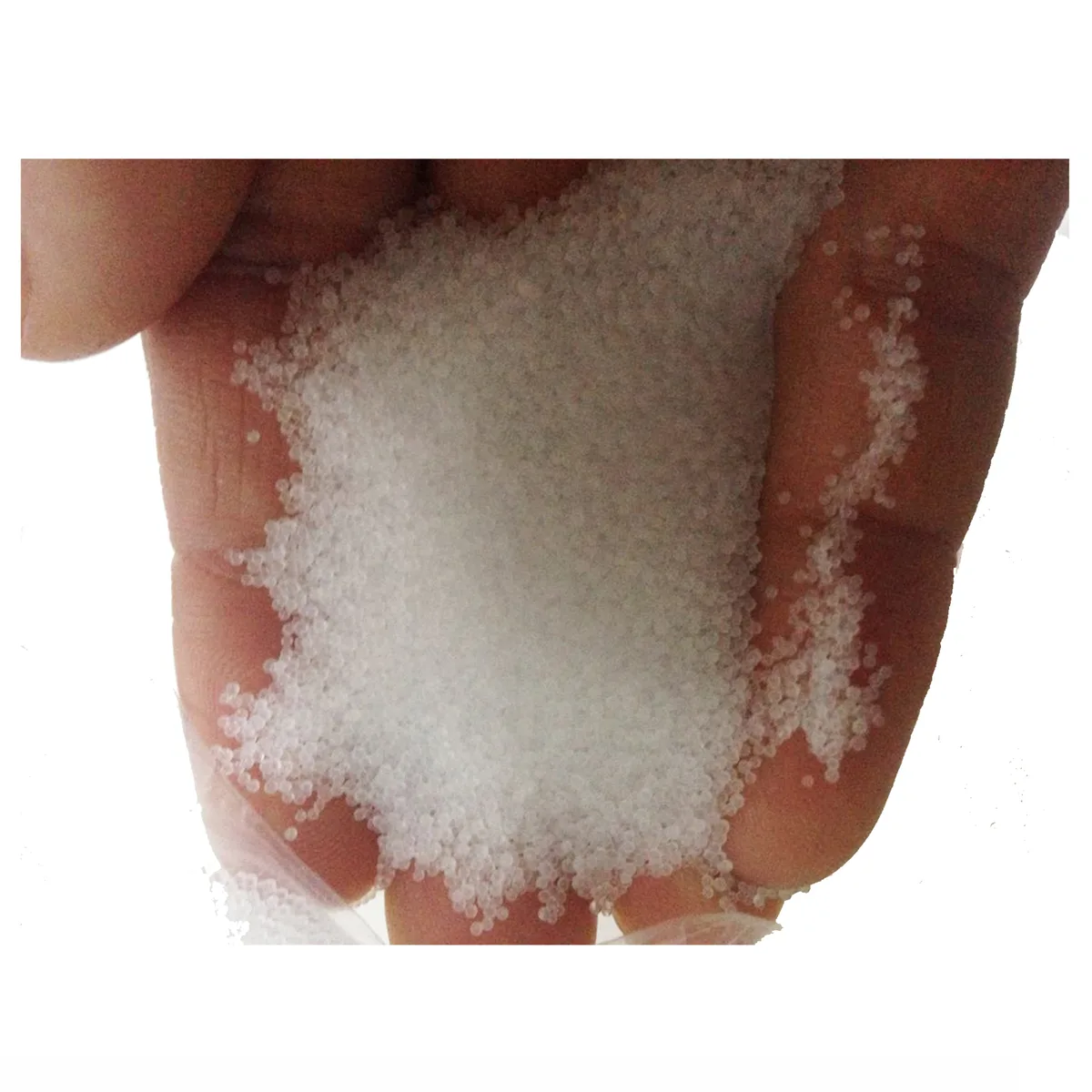
A bead leaves the pre-expander with air inside its cells at below atmospheric pressure. Steam condenses as the bead cools, and some of the pentane blowing agent diffuses out through the cell walls faster than outside air diffuses back in. The result is a bead that is slightly collapsed under its own internal vacuum — it looks and weighs right, but it has lost the springback it needs to fuse against its neighbors under steam pressure in the block or shape mold.
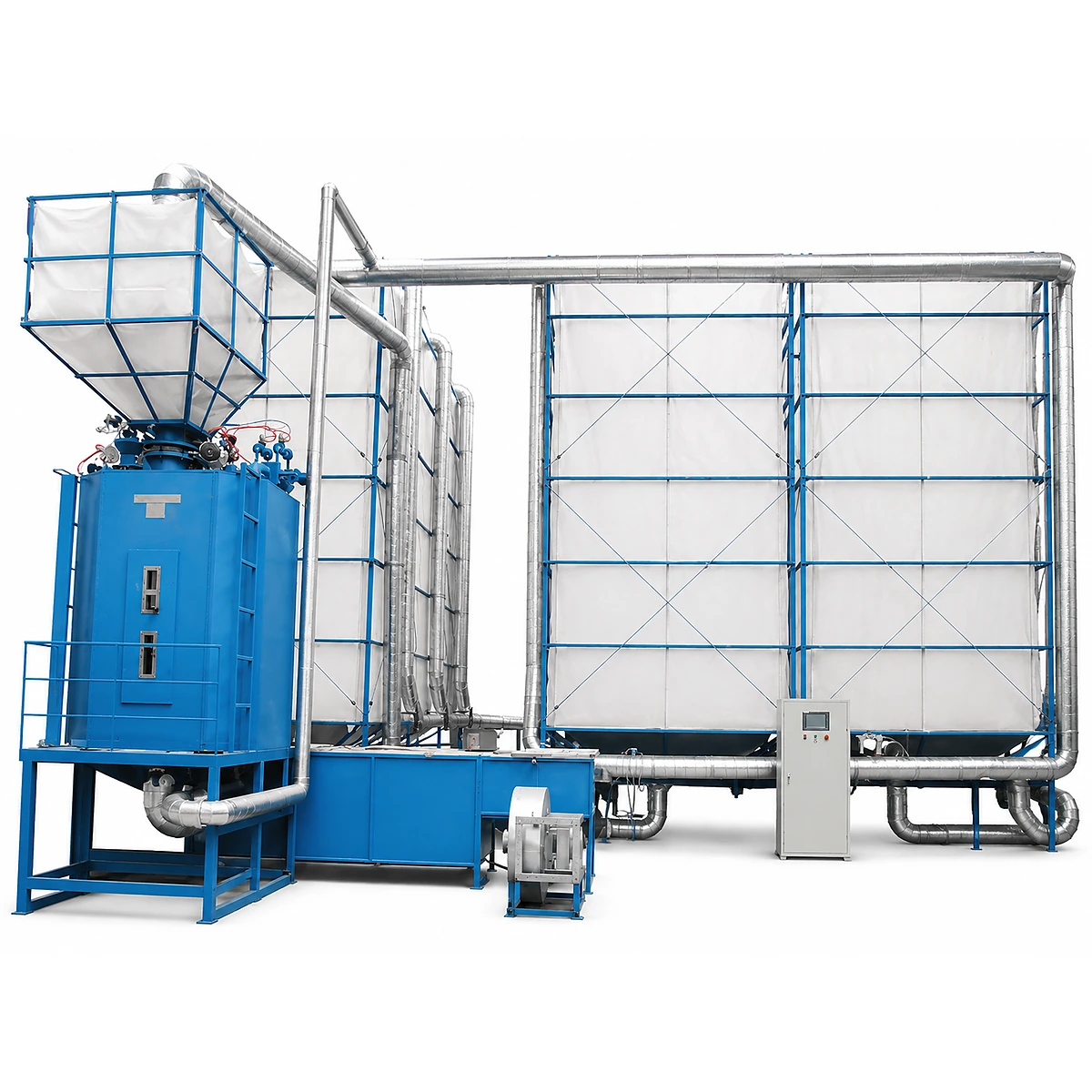
Aging is simply the time it takes atmospheric air to re-enter the cells and equalize that pressure. Our six-stage EPS process places this step between pre-expansion and molding for exactly this reason: skip it, and the molding machine is trying to fuse beads that cannot expand any further.
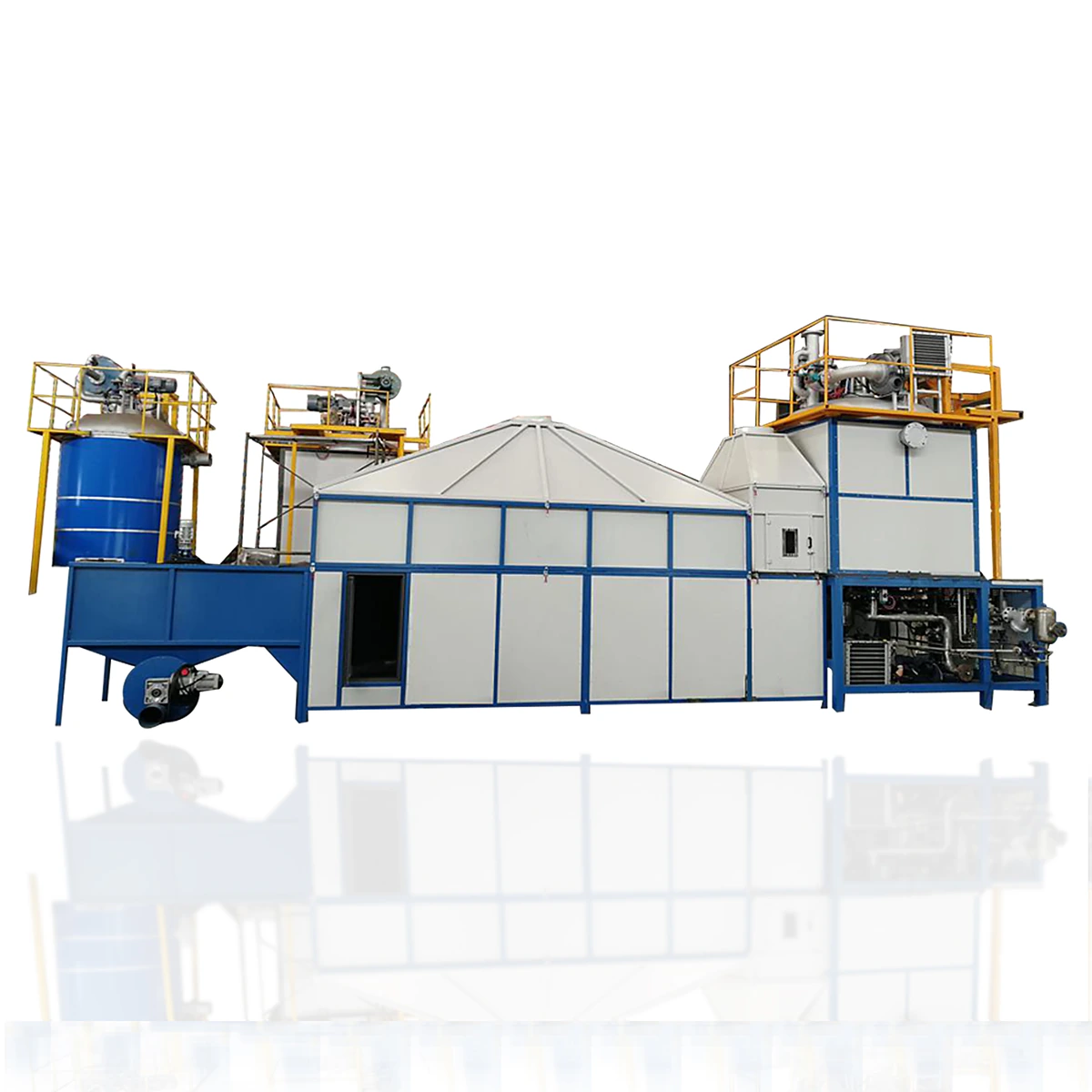
The beads themselves come off a batch or continuous pre-expander already carrying the density and expansion ratio the recipe set; aging does not change density, it only restores the mechanical readiness the mold needs. Our batch vs. continuous comparison covers how the two pre-expander types affect what reaches the silo in the first place.
2. The aging window by target density
Wall thickness and cell count set how fast a bead re-pressurizes, so the window is not one number for the whole density range. The figures below are the operating range our aging silos are built around, confirmed against reject-rate data from customer production lines.
| Target density | Minimum before molding | Ideal window | Re-test past |
|---|---|---|---|
| 8–12 kg/m³ (fish boxes, low-density trays) | 6–8 hours | 18–24 hours | 60 hours |
| 15–20 kg/m³ (general packaging, standard board) | 10–14 hours | 20–28 hours | 72 hours |
| 25–35 kg/m³ (technical inserts, insulation board) | 14–20 hours | 24–36 hours | 90 hours |
Low-density beads have thinner cell walls, so air re-enters faster and the minimum is shorter in absolute terms — the opposite of what most first-time buyers assume. High-density beads hold more resin per cell and take longer to re-pressurize, but they also tolerate a longer stay in the silo before they go stale. This is the same density logic our pre-expander sizing guide uses for cycle time and steam demand; aging time is the next variable that density sets.
3. What under-aged beads do in the mold
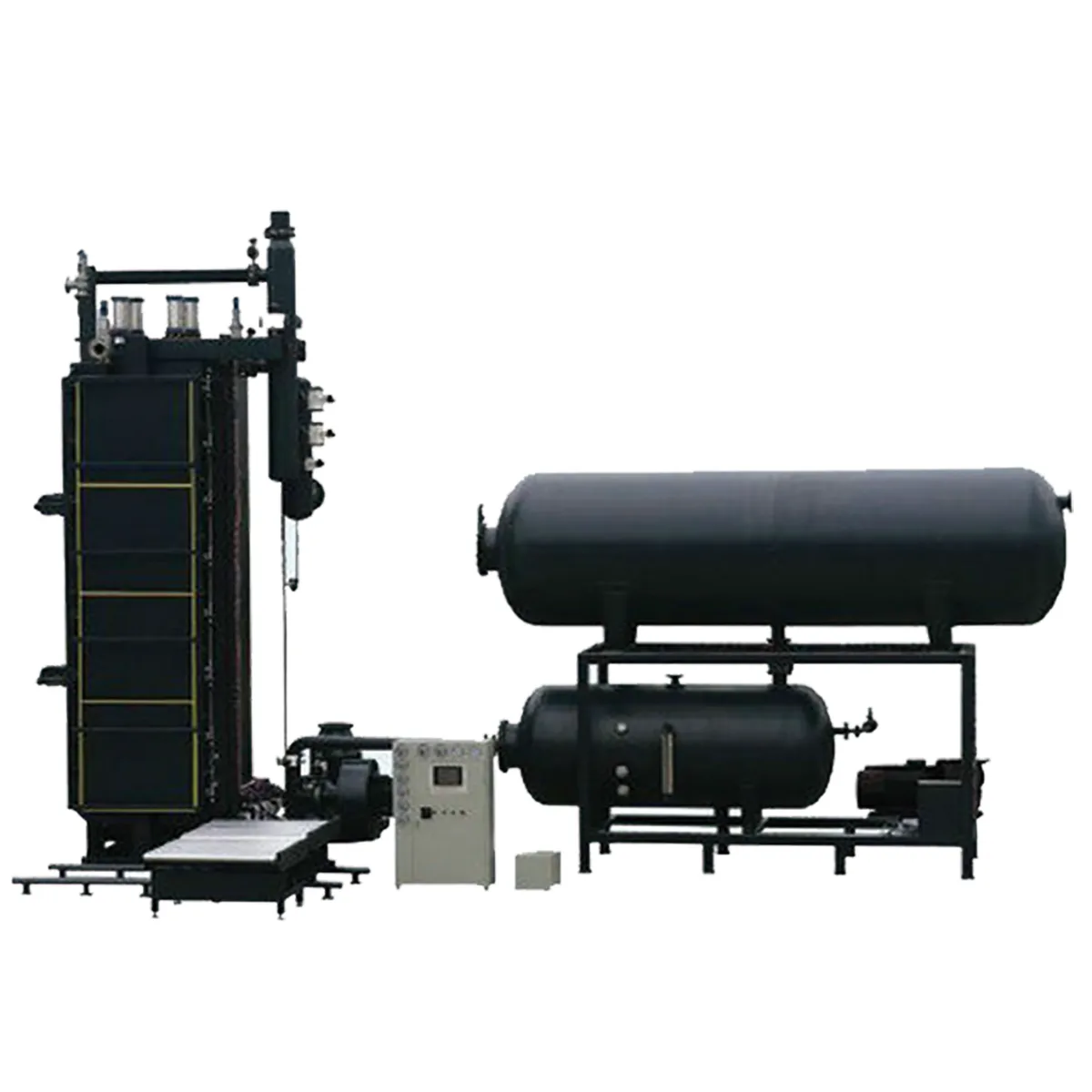
Molding a batch before it reaches minimum aging time is the single most common cause of the fusion defects our quality control guide covers. The beads have not regained enough internal pressure to press against each other and close the gaps between them, so the block comes out with visible bead boundaries, torn surfaces when it is cut, and lower compressive strength than the same density molded from correctly aged stock. Customers running FIFO silos with less than 8 hours of buffer report this defect in 5–12% of blocks; the fix is almost always more aging capacity, not a molding machine adjustment.
4. What over-aged beads do
The failure mode at the other end of the window is quieter and easier to miss. Beads stored past roughly 72–96 hours keep losing pentane and moisture even after internal pressure has equalized, and the cell walls lose some of the elasticity they had at hour 24. Blocks molded from stale stock fuse adequately at first inspection but shrink 1–2% more than fresh stock over the following days, which shows up as warped boards or out-of-tolerance parts after they have already shipped. Silos without residence-time control tend to develop this problem in the bottom layer, where the oldest beads sit longest.
5. Telling under-aged, correctly aged and over-aged beads apart
The defect a batch produces depends on which side of the window it left the silo from. This is the checklist we walk customers through when a block molding machine is producing rejects and the cause is not obvious from the machine settings alone.
| Symptom | Under-aged (below minimum) | Correctly aged | Over-aged (past maximum) |
|---|---|---|---|
| Bead fusion | Visible bead boundaries, torn surface when cut | Smooth fracture through beads, not around them | Fuses acceptably at first, weakens over days |
| Dimensional stability | Immediate shrinkage or sponginess after demold | Holds tolerance after demold | Shrinks 1–2% more than fresh stock within days |
| Manual squeeze test | Beads stay partly flattened after release | Beads spring back within about a second | Springback is normal but bead surface feels dry |
| Most likely cause | Insufficient silo residence time or capacity | — | No FIFO discharge, or line downtime holding a batch too long |
6. Temperature and humidity shift both ends of the window
The 8–72 hour range above assumes a silo at 20–25°C and moderate humidity, which is what our aging silo sizing guide is built around. Move outside that range and both the minimum and the maximum move with it:
- Below 15°C: air diffusion into the cells slows by roughly 30–40%, pushing the minimum aging time out by several hours. Winter production without a heated silo room is the most common cause of "the same recipe suddenly needs longer aging."
- Above 70% relative humidity: moisture uptake accelerates, which shortens the safe maximum before beads turn stale and raises condensation risk inside fabric silos.
- Hot, dry air: speeds up the minimum time but also speeds up pentane loss, so the window narrows from both sides instead of simply shifting later.
This is why PLC-routed silos with logged fill times outperform a single open bin on consistency: the controller enforces the minimum before a batch can be drawn and flags anything approaching the maximum, regardless of what the weather did that week.
7. How to check if a batch is actually ready
Two methods cover most production floors:
- Residence-time tracking. The reliable method for any line running more than one density: a PLC or manual log records when each batch entered the silo and blocks it from being drawn until the minimum for its density has passed. This is the approach built into our ES-AUTO aging silo system, which routes each density to its own bin and enforces FIFO discharge.
- Manual resilience check. Press a handful of beads between thumb and finger and release. Correctly aged beads spring back to close to their original shape within a second; under-aged beads stay partly flattened. It is a fast floor check but depends on the operator and does not catch over-aged stock, so it should back up residence-time control, not replace it.
8. Five aging mistakes we see in customer enquiries
- One silo for every density. Beads at different densities cannot share a bin without mixing the wrong batch into the wrong mold. Every density on the product list needs its own aging group, sized on that density's daily volume.
- No residence-time record. An open bin with beads shoveled from the bottom has no way to guarantee minimum aging, and the oldest beads are usually drawn last, not first.
- Sizing the silo for the average day, not the fastest changeover. A silo built for 24-hour aging on average volume runs under minimum on the days output spikes, because the extra beads compress the available residence time for everyone already in the bin.
- Ignoring the room, not just the silo. A well-designed silo in an unheated shed still ages slowly in winter. Temperature control belongs to the room the silo sits in, not only the vessel itself.
- Treating the maximum as a soft limit. Beads held "just a bit past" 72–96 hours because the molding line was down do not fail dramatically — they fuse, ship, and shrink out of tolerance days later, which is a harder problem to trace back to the silo.
9. What to send us before we recommend a silo layout
With these five items we can size an aging silo group in one reply:
- Each target density you run and its daily bead volume in m³.
- Shifts per day and whether output volume varies by day of the week.
- Ambient temperature range in the production area, and whether the silo room is heated.
- Whether you currently track batch age, or rely on visual/manual checks.
- Current block reject rate, if you have one, so we can flag whether aging capacity is the likely cause.
Frequently Asked Questions
What is the minimum aging time for EPS beads before molding?
6–8 hours for low-density beads (8–12 kg/m³) and 14–20 hours for high-density technical grades (25–35 kg/m³), measured at 20–25°C. Molding before the minimum leaves beads under internal vacuum, which shows up as visible bead boundaries and torn surfaces after cutting.
Can EPS beads be molded straight from the pre-expander, skipping the silo?
Not for standard block or shape molding. The bead needs time for atmospheric air to re-enter its cells before it can fuse against its neighbors under steam. Skipping aging is the single most common cause of the fusion defects we see reported in quality data from customer lines.
How long can EPS beads sit in an aging silo before they go bad?
Roughly 60 hours for low-density beads and up to 90 hours for high-density technical grades before pentane and moisture loss start reducing fusion quality. Blocks molded from stale stock often pass initial inspection and then shrink 1–2% more than fresh stock over the following days.
Does aging time change with bead density?
Yes, and in the opposite direction most buyers expect. Low-density beads have thinner cell walls, so air re-enters faster and the minimum aging time is shorter. High-density beads take longer to reach minimum readiness but also tolerate a longer stay in storage before they go stale.
How does cold weather affect EPS bead aging?
Below about 15°C, air diffusion into the cells slows by roughly 30–40%, which pushes the minimum aging time out by several hours. An unheated silo room is the most common reason a recipe that aged reliably in summer suddenly needs longer in winter.
How do I know if a batch of beads is ready to mold?
Track residence time from silo fill to draw and enforce the minimum for that density — the method our ES-AUTO silo system automates with PLC-routed FIFO bins. A manual resilience check (press and release a handful of beads; correctly aged beads spring back within a second) works as a floor-level backup but should not replace time tracking, since it cannot detect over-aged stock.
Do all EPS molding lines need a dedicated aging silo?
Any line running more than trial volumes does. A single open bin can work at very low output, but it cannot guarantee minimum aging per batch or separate densities, and per the American Society for Testing and Materials EPS insulation standard (ASTM C578), dimensional stability specs assume beads were properly conditioned before molding — a claim an unmanaged bin cannot back up on an audit.
Send us your densities and we will size the aging silo
Use the contact form to send the densities you run, daily volume per density, and your silo room's temperature range. We will reply with the number of silo groups, aging window per density, and whether your current reject rate points to an aging-capacity gap rather than a molding problem. The ES-AUTO aging silo system page has the PLC routing and FIFO details, and the European Manufacturers of EPS (EUMEPS) publishes broader production guidance if you want a second source on conditioning practice before you specify a system.