
EPS Raw Material Production Line — Turnkey Solution
Complete turnkey line for upstream EPS bead polymerization — suspension reactors, pentane infusion, multi-grade sieving. Build your own raw material plant and unlock 25-40% material cost savings.
What This Line Produces
End products this turnkey line is engineered to manufacture.
Standard EPS beads (F-101 to F-404 grades, 0.3-2.5 mm)
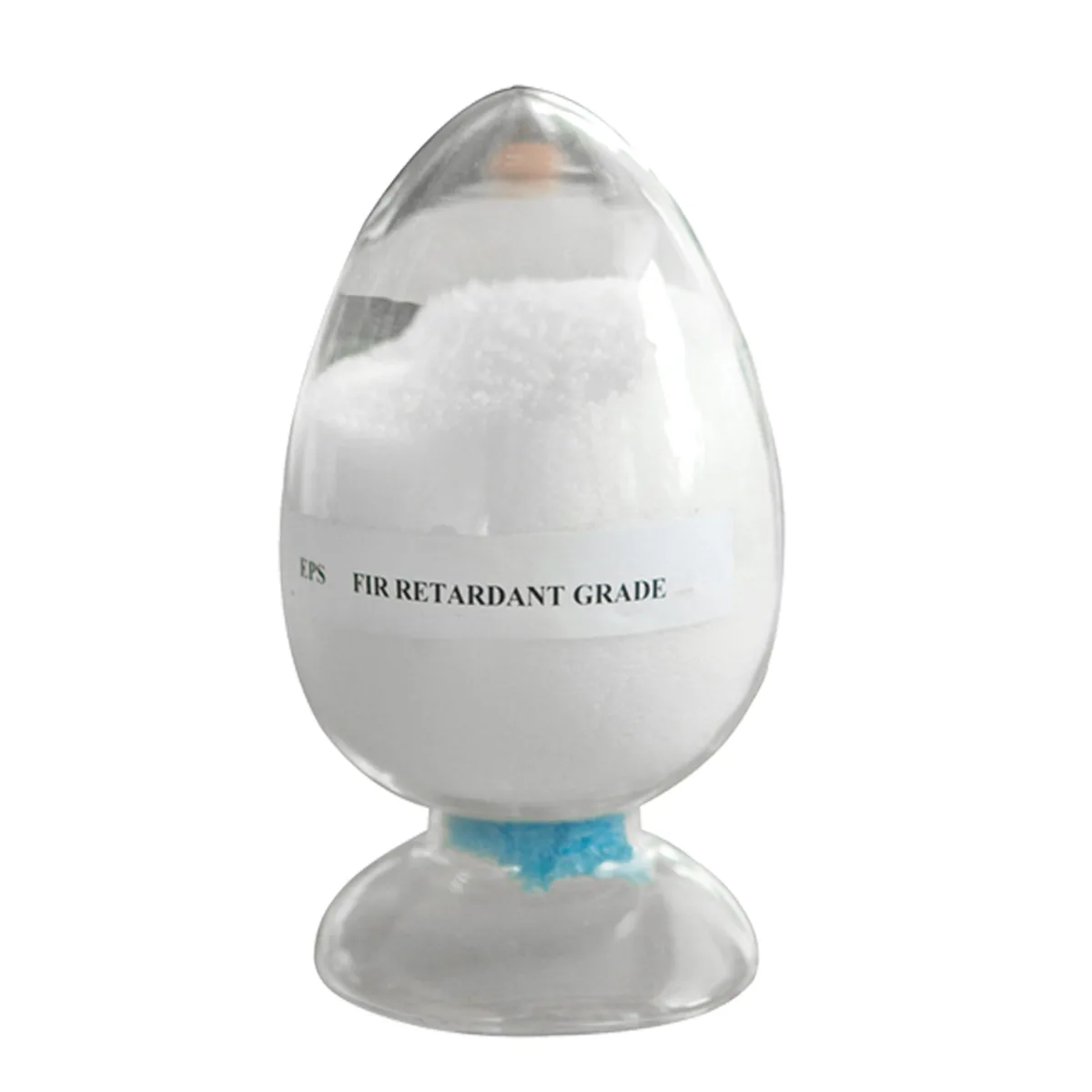
Flame-retardant EPS beads (B1 / B2 grades for insulation board)
Graphite EPS beads (gray, 20-25% better thermal insulation)
Fast-cycling EPS beads (for high-speed shape molding)
High-expansion EPS beads (low-density packaging applications)
Custom-color EPS beads (private-label OEM batches)
Production Flow
From raw material to finished product — six stages, fully integrated.
Monomer Charging
Styrene monomer, peroxide initiator, and suspension agent are metered into the pressure reactor under nitrogen inerting.
Suspension Polymerization
Reactor heats to 80-95 °C; stirrer turns at 80-120 rpm; styrene polymerizes into polystyrene beads over 6-10 hour cycle.
Pentane Infusion
Mid-cycle, 5-7% pentane (n-pentane / iso-pentane blend) is infused into the beads under pressure — the blowing agent that enables foam expansion downstream.
Cooling & Centrifugation
Reactor contents cooled below 30 °C; slurry pumped through centrifugal separator to remove water and unreacted monomer.
Drying & Sieving
Fluidized-bed dryer brings moisture below 0.3%; multi-stage vibratory sieve grades beads into 4-6 size fractions (e.g., F-101 / F-202 / F-303 / F-404).
Coating & Packing
Beads are coated with anti-static / mold-release lubricant in a rotating drum, then packed into 1,000 kg jumbo bags or 25 kg paper sacks for shipment.
Equipment List
Engineered configuration — every machine sized to match line throughput.
| Machine | Model | Qty | Capacity |
|---|---|---|---|
| Suspension Polymerization Reactor | PR-8000 / PR-10000 | 1-3 | 8-10 m³ working volume, 12 bar pressure, 304 SS jacketed |
| Chilled Water + Heat Exchanger System | CHW-500 | 1 | 500 kW thermal load, 5-30 °C output range |
| Centrifugal Separator | CS-3000 | 1 | 3,000 kg/h slurry throughput |
| Fluidized-Bed Dryer | FBD-2000 | 1 | 2,000 kg/h dry product, brings moisture <0.3% |
| Multi-Stage Vibratory Sieve | MVS-4 / MVS-6 | 1 | 4 or 6 grade fractions, 1,500 kg/h throughput |
| Pentane Storage & Metering Skid | PSM-100 | 1 | ATEX zone 1 / GB 12476 explosion-proof, 100 L/min metering |
| Anti-Static Coating Drum | ACD-1500 | 1 | 1,500 kg/h coating throughput |
| Jumbo Bag Packing Station | JBP-1000 | 1 | 1,000 kg per cycle, ±0.5 kg weighing accuracy |
Why ChinaEps for This Solution
Engineering specifically tuned for this application — not a generic line.
Proven Pressure-Reactor Engineering
We have engineered 12+ suspension polymerization reactors since 2008. 304 SS jacketed vessels rated for 12 bar working pressure, 25-year fatigue life, ASME-compliant welding. Stable, repeatable, audit-ready.
Pentane Safety Compliance
Closed-loop pentane circulation, ATEX zone 1 / GB 12476 explosion-proof equipment, leak detectors at 5 ppm threshold, optional RTO (regenerative thermal oxidizer) for residual VOC capture. We document everything for local fire-safety authorities.
End-to-End Vertical Integration Insight
We are EPS converters ourselves (PE / BM / SM / CM machinery). We tune reactors for the grades that downstream molding plants actually need — not generic textbook recipes. Direct feedback loop from our own pre-expander tests cuts your commissioning time by 30%.
Subsidy Documentation Support
Many countries (EU / Russia / Brazil / India) offer raw-material-substitution subsidies, environmental incentives, and tax holidays. We provide environmental impact docs, carbon-offset calculations, and per-country application templates.
Real Customer Case
A factory we equipped — operating today.
5,000 t/year EPS bead polymerization plant for Torgplast (vertical integration project)
Reactor cycle stabilized at 7.5 hours; produced standard + flame-retardant grades. Raw material self-supply now covers 80% of downstream EPS molding plants — 35% material cost reduction.
Choose Your Investment Tier
Match the production scale to your business stage — from new-factory starter to lights-out flagship.
Compact Bead Plant
Regional bead suppliers serving local EPS converters
Polymerization reactor + suspension agitator + pentane recovery + drying + bagging
Standard Bead Plant
National-scale EPS bead production for multiple converter customers
Multi-reactor setup + advanced ATEX-compliant pentane handling + multi-grade switching + ISO 14001-grade environmental controls
Premium FR/Graphite Plant
Premium FR/graphite bead producers for high-rise insulation market
Multi-reactor + FR-additive integration + graphite infusion + premium QC lab + IATF audit-ready documentation
Optional Add-ons & Upgrades
Customize the line to match your specific business model — add components when you need them.
FR Additive Integration
In-reactor flame-retardant additive dosing for Class B1 fire-rated bead production.
Graphite Infusion
Graphite particle integration during polymerization for premium thermal-performance beads.
Pentane Recovery System
Captures and reuses pentane blowing agent — required for ESG-compliant production.
ISO 14001 + ISO 9001 Certification Support
Documentation and procedural support for environmental + quality management certifications.
ROI Snapshot
Reference numbers based on typical Standard tier deployment — actual ROI varies with local market, energy cost, and product mix.
Service & Support Commitment
Beyond shipping — our commitment to the success of your production line from day one through year ten.
Pre-Sale Engineering + Feasibility Study
Custom plant design + ROI calculation + raw material sourcing strategy for your target market.
Plant Commissioning
30-60 day on-site commissioning with our process engineers and chemists. Includes operator training.
10-Year Warranty + 24/7 Support
Extended warranty for industrial-scale equipment; 24-hour response on production-down issues.
ATEX + ESG Compliance
Documentation supporting pentane-handling safety certification + ESG environmental compliance.
Frequently Asked Questions
What is the minimum viable capacity to justify an EPS bead polymerization plant?
Can I produce multiple grades (standard / flame-retardant / graphite) on the same line?
How do you handle pentane safety in countries with strict regulations (EU ATEX / Russia)?
Do you ship reactors built and tested, or do we have to weld locally?
What grade certifications are needed to sell to insulation-board or packaging customers?
Tell Us Your Production Goals
Share your capacity targets, product specs, and budget — our engineers design the optimal line for your factory.
Related Production Lines
Diversify revenue with adjacent production capability — many customers operate multiple ChinaEps lines side-by-side.
EPP Raw Material Production Line
Premium EPP beads for automotive Tier-1 supply — higher-margin specialty product
EPS Board Production Line
Downstream vertical integration — produce your own beads AND insulation boards under one roof
EPS Recycling Line
Closes the material loop — sell virgin beads while collecting and processing post-consumer scrap