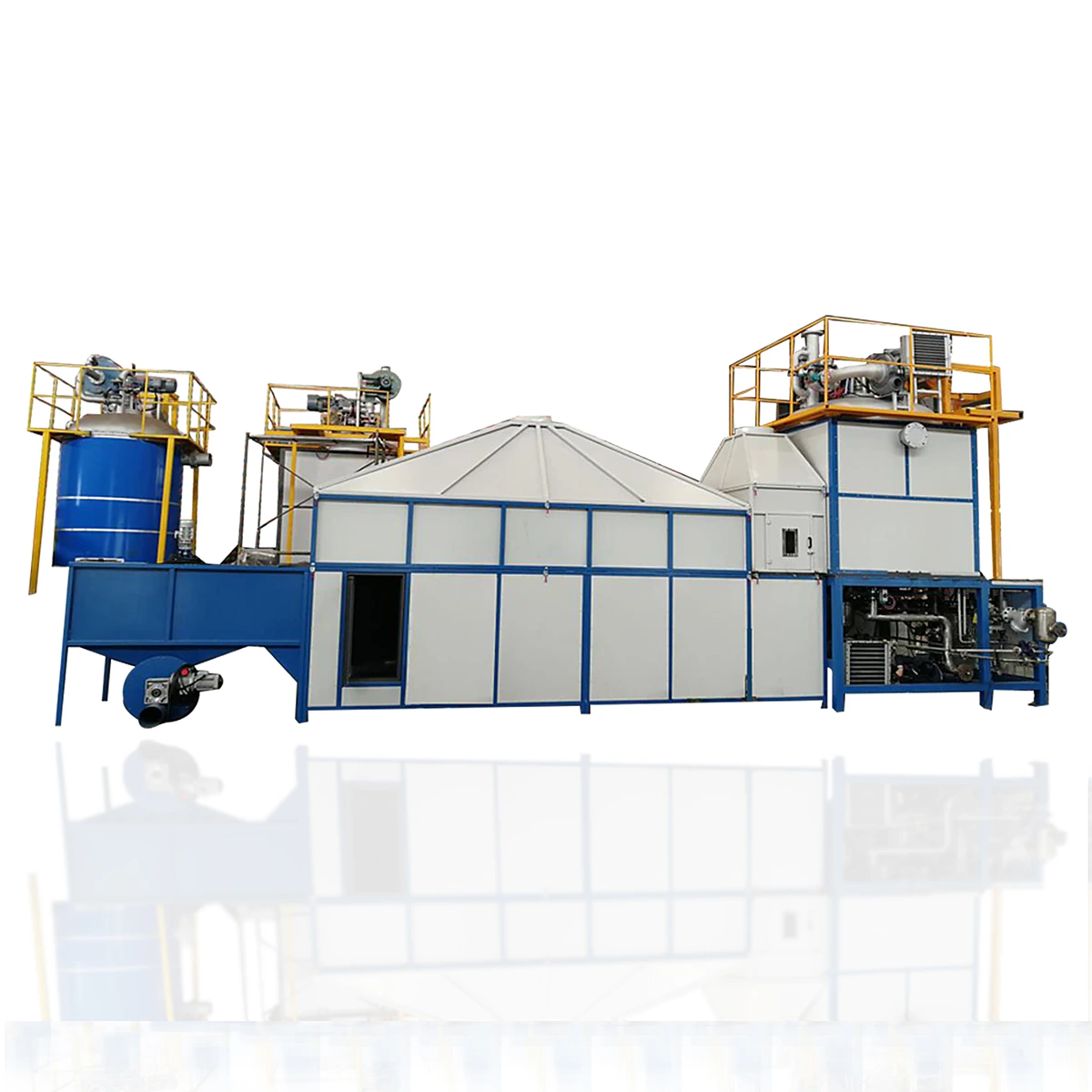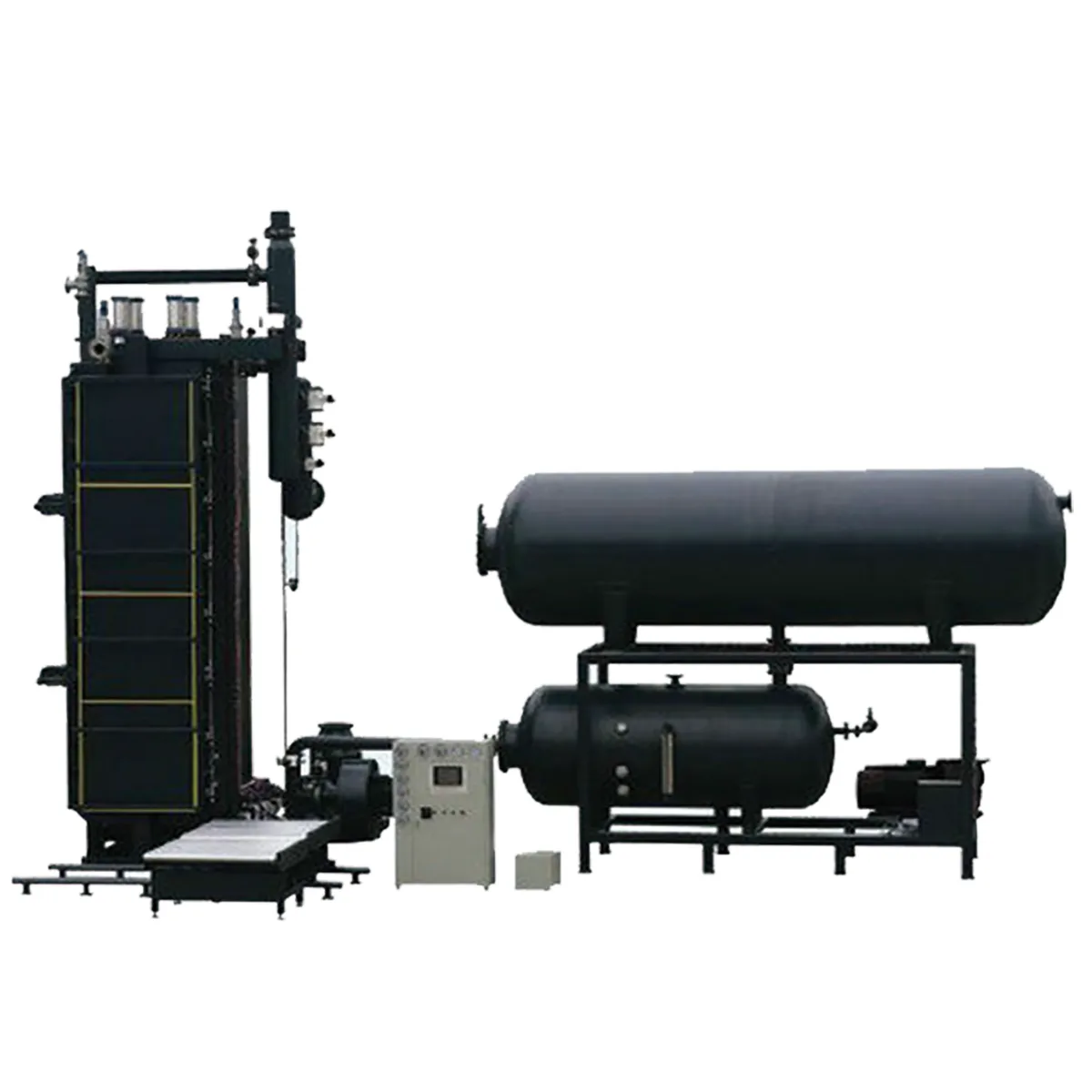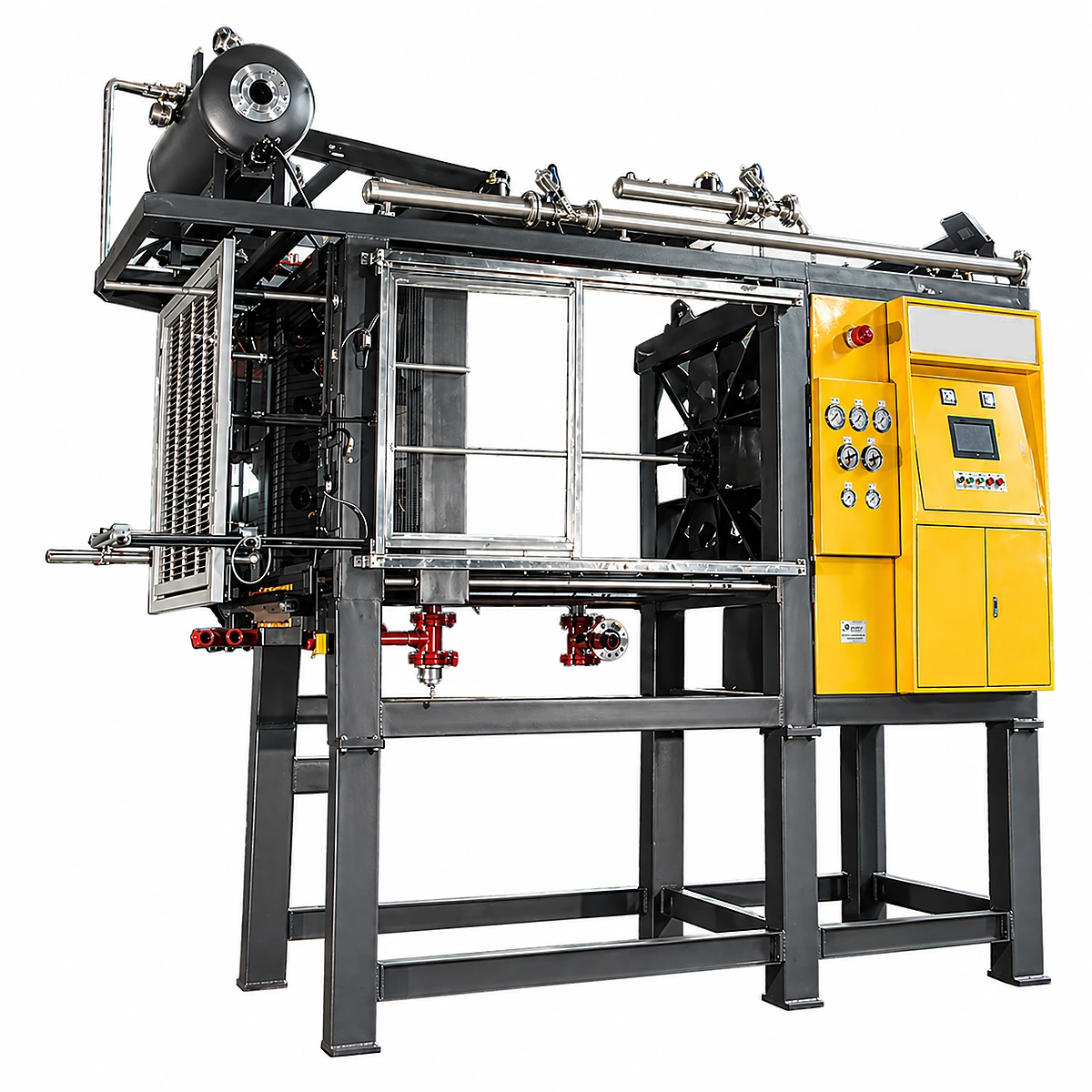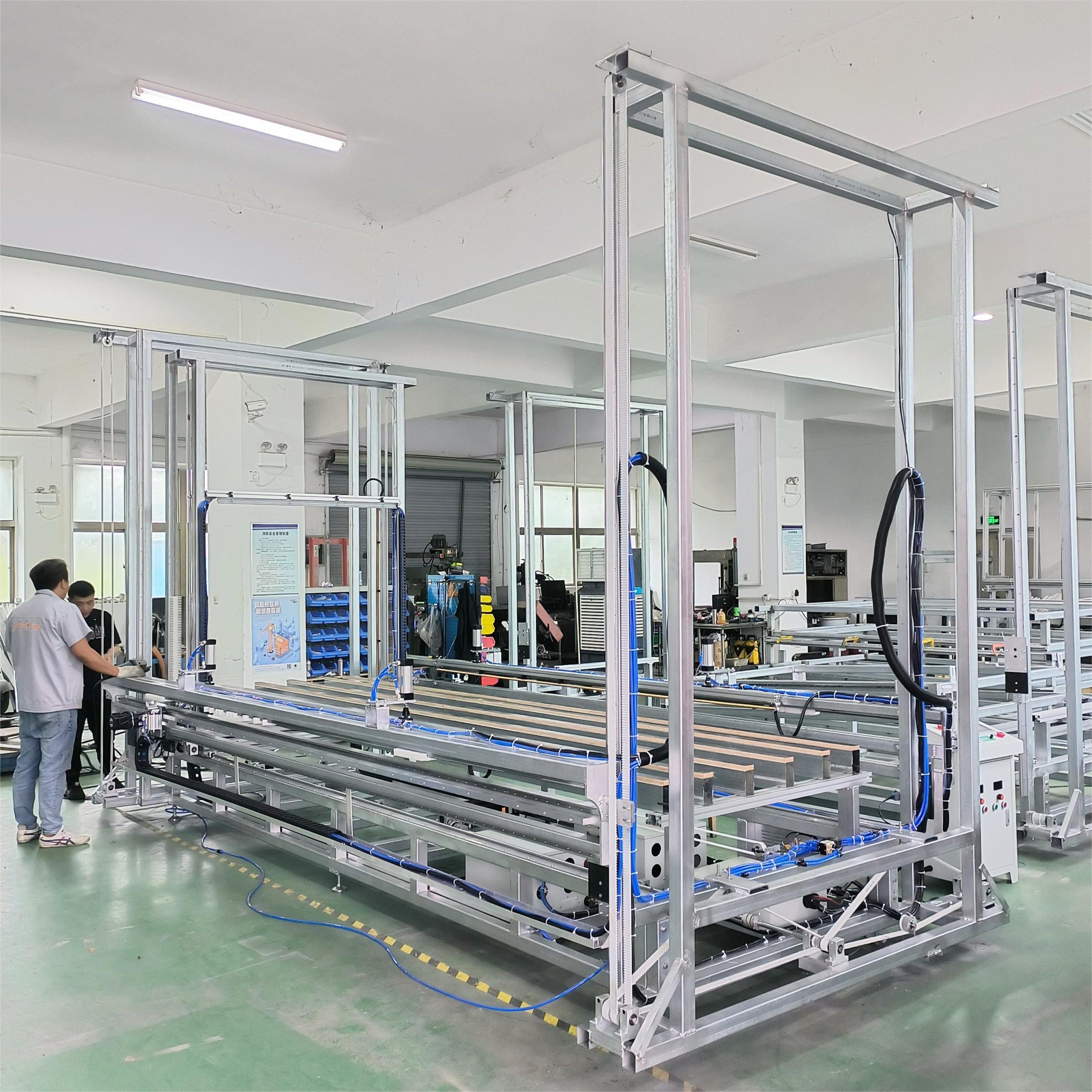
Before requesting an EPS machine quotation, prepare eight information groups: the finished product, target output, EPS bead grade and density, process scope, factory utilities, available space, automation and compliance requirements, and commercial delivery terms. Include drawings or samples, daily good-output targets, shift hours, voltage and frequency, steam pressure and capacity, cooling-water conditions, compressed air, destination port, and the equipment or utilities already on site. This lets suppliers quote the same scope instead of sending prices that look comparable but exclude different items.
A useful request for quotation is not a long shopping list. It is a short, testable production brief. The supplier should be able to trace every proposed machine, mold, silo, utility load and service back to one requirement. If a fact is unknown, label it to be confirmed; do not replace it with an optimistic guess.
The one-page rule
Put the eight groups below on one RFQ cover sheet, then attach drawings, photos and utility records. Ask every bidder to state assumptions, exclusions and optional items against the same sheet.
EPS Machine RFQ Checklist at a Glance
| Information group | Minimum data | What it changes in the quote |
|---|---|---|
| Finished product | Product, dimensions, density, tolerance, photo/drawing/sample | Machine type, chamber, mold, cutting method and acceptance test |
| Output | Good units or m³ per day, shifts, hours, product mix | Machine quantity, cycle assumptions, silo and utility peaks |
| Raw material | EPS grade, bead size, virgin/regrind ratio, target density | Pre-expansion, aging, molding and recycling configuration |
| Scope | Single machine, cell or complete line; existing equipment | Boundaries, interfaces, conveyors, auxiliaries and controls |
| Utilities | Power, steam, water, air, vacuum, drainage and fuel | Component selection, connected load and auxiliary equipment |
| Site | Plan, clear height, doors, floor, access and environment | Layout, installation route, foundation and ventilation |
| Automation/compliance | Labor plan, recipes, data, guards, local standards | PLC/HMI, handling, safety devices and documentation |
| Commercial | Destination, Incoterm, deadline, currency and services | Freight boundary, packing, schedule, commissioning and price |
1. Define the Finished EPS Product
Start with what you will sell, not with a machine model. State whether the output is an insulation block, cut board, fish box, appliance insert, ICF form, decorative profile or another molded part. Add a dimensioned drawing whenever possible. For a molded item, include overall dimensions, wall thickness, critical features, insert locations, surface requirement and acceptable weight range. For blocks or boards, include block size, final sheet sizes, density range, thickness tolerance and edge finish.
Attach clear photos and, for a custom molded product, offer to send a physical sample. A phrase such as “medium fish box machine” does not define cavity count, mold envelope, cooling method or stacking. A drawing does. If several products will share one machine, list the product mix and identify the largest, smallest and highest-volume item.
2. State Good Output, Not Theoretical Capacity
Use saleable output per day or per shift: good boxes/day, good blocks/day, or finished m³/day. Then provide scheduled hours, shifts, working days, product mix and any planned changeovers. Separate startup demand from the three-year target.
A supplier cannot responsibly convert “10 tons/day” into machine quantity without bead density, product weight, cycle, cavities, changeover and utilization assumptions. Ask the bidder to show the calculation: cavities × cycles/hour × scheduled hours × assumed availability × first-pass yield. Our EPS shape-molding capacity method explains how to audit that calculation.
3. Identify Raw Material and Density
List the EPS bead supplier or intended grade, bead-size range, expansion target, molded density and any flame-retardant, graphite, food-contact or low-pentane requirement. Say whether production uses virgin beads only or a controlled percentage of clean regrind. If the grade is not selected, provide the finished-product performance requirement and target market instead of guessing a resin code.
Raw material changes the pre-expansion recipe, aging requirement, conveying, mold filling and steam demand. It can also change the cutting line: graphite or flame-retardant insulation board may require different process control from standard packaging EPS. Use the EPS raw-material grades guide to structure this part of the RFQ.
4. Draw the Supply Boundary
Mark every item as new supply, existing on site, by buyer, by supplier, or optional. Cover raw-bead feeding, pre-expander, fluid-bed dryer, aging silos, conveying, molding, molds, cooling, cutting, printing or coating, packing, scrap crushing, mixing, dust collection, steam generation, cooling tower, air compressor, vacuum, electrical distribution and installation materials.
This boundary prevents a “complete line” from excluding the boiler, molds, pipework, cable trays, commissioning materials or spare parts. For an existing factory, provide each retained machine’s model, year, interface size, control protocol, condition and photos. Ask the bidder to return an interface matrix rather than assuming old and new equipment will connect. For a worked scope example, review the itemized equipment and buyer-supplied utilities in our EPS fish box production line.
5. Provide Measured Utility Conditions
Record electricity as voltage, frequency, phases and available capacity. Record steam as pressure at the machine header, quality if known, boiler rated output, fuel and simultaneous users. Add cooling-water supply temperature, ambient design temperature, water quality, flow or tower capacity, compressed-air pressure and capacity, vacuum equipment, drainage limits and condensate-return arrangement.
Country name alone is insufficient for electrical design. Confirm the actual factory supply and required motor/control standard; the IEC World Plugs resource is only a reference, not a substitute for a site measurement. For steam sizing, send the connected equipment list and which users run together. See the EPS boiler-sizing method.
6. Attach Site and Installation Data
Send a dimensioned plan showing columns, clear height, doors, loading area, exits, floor level and load limits. Mark the proposed machine zone, boiler room, silo area, raw-material store, finished-goods route and outdoor utility equipment. Add photos from each corner and the access route from container unloading to final position.
Tell the supplier about altitude, temperature, humidity, dust, coastal corrosion, freezing risk and any restricted working hours. These conditions can change cooling, ventilation, enclosure, insulation and coating choices. If the building is not final, request a preliminary EPS production-line layout review before civil interfaces are frozen.
7. Specify Automation, Safety and Documentation
Define the available operators per shift and what should be automatic: feeding, density control, silo selection, mold change, part handling, stacking, cutting recipes, packing, data logging and remote support. State the preferred HMI language, units, recipe access levels and whether production data must connect to a plant system.
List the destination-market requirements and the authority that will accept the installation. Ask for the risk-assessment approach, guarding, interlocks, emergency stops, electrical drawings, manuals, parts list and declarations that are actually included. ISO 12100 provides machinery risk-assessment principles, while local law and the local authority determine final acceptance. Do not treat a generic certificate image as proof that the quoted machine and configuration are covered.
8. Fix the Commercial Comparison Basis
Give the destination city and port, preferred currency, required delivery window and requested trade term. State whether you need export packing, inland transport, sea freight, insurance, unloading, installation supervision, commissioning, training, trial material, molds, start-up spares and a recommended two-year spare-parts list.
Name the exact ICC Incoterms® rule and named place, for example FOB Shanghai or CIF a named destination port, rather than writing “shipping included.” Ask bidders to separate base equipment, mandatory auxiliaries, options, freight, services and taxes. Also request payment milestones, production lead time, warranty start point, service response process and quotation validity.
A Copy-and-Send EPS Machine RFQ Template
Project: [new factory / expansion / replacement]
Products: [drawing numbers, dimensions, density, photos or samples]
Output: [good units or m³/day], [hours/shift], [shifts/day], [product mix]
Material: [EPS grade/bead size], [target density], [virgin/regrind ratio]
Required scope: [machines, molds, silos, auxiliaries, packing, recycling, services]
Existing equipment: [model, condition and interfaces, or none]
Utilities: [V/Hz/phases/kVA], [steam pressure and kg/h], [water], [air], [vacuum], [drain]
Site: [dimensioned plan, clear height, doors, floor load, climate, photos]
Automation/compliance: [operators, functions, HMI language, destination standards]
Commercial: [named Incoterm/place, destination port, deadline, currency, services]
Please return: itemized scope, assumptions, exclusions, capacity calculation, utility schedule, layout, delivery schedule, acceptance test, warranty, training, spares and option prices.
How to Compare the Quotations You Receive
Normalize every offer before comparing the total. Create one row for each machine, mold, auxiliary, service and buyer-supplied interface. Reject capacity claims that do not show product, density, cycle and utilization assumptions. Check that utility figures distinguish connected load from peak simultaneous demand. Confirm what the factory acceptance test will produce, which raw material and mold it uses, what counts as an accepted result and who pays for retesting.
| Comparison question | Acceptable evidence | Warning sign |
|---|---|---|
| Is output comparable? | Worked calculation tied to your product | A single maximum number without assumptions |
| Is scope complete? | Itemized inclusions, exclusions and interface matrix | “Complete line” with no boundary list |
| Are utilities usable? | Per-machine and simultaneous-demand schedule | Only total motor power |
| Can performance be accepted? | Defined FAT/SAT procedure and tolerances | “Test before shipping” without pass criteria |
| Is landed cost visible? | Named Incoterm/place plus separated freight/services | Mixed terms or unnamed destination |
Request a scoped quotation: send ChinaEps your product drawing or sample, good-output target, material and density, utility record, site plan, destination and required services. We can return a configuration, scope boundary, utility schedule and itemized quotation for technical comparison. Request an EPS machine quotation →
Frequently Asked Questions
Can I request an EPS machine quote without a final product drawing?
Yes, but label the quotation budgetary. Send a reference photo, approximate dimensions, density, output and market requirement. The supplier should identify which selections and prices remain provisional until the drawing or sample is approved.
Should I give the supplier my budget?
You may provide a target range and separate must-have requirements from future options. A range helps avoid an unsuitable automation level, but it does not replace an itemized scope, capacity calculation and acceptance criteria.
What utility information is most important for an EPS machine?
Actual voltage, frequency and available capacity; steam pressure, quality and simultaneous capacity; cooling-water temperature and flow; compressed-air pressure and capacity; vacuum and drainage conditions. Measurements at the intended connection are better than nominal country values.
Do I need to include molds in the quotation request?
Yes for shape-molded products. State the product drawing, cavities, inserts, surface, cooling approach and expected mold ownership. Separate machine price from each mold so later product additions can be compared.
Which delivery term should I request?
Use the Incoterm that matches your logistics capability and name the exact place or port. Requesting more than one basis, such as FOB and CIF to your port, can make freight visible while keeping the equipment scope identical.
How many suppliers should receive the same RFQ?
Enough to compare technical approaches without losing control of revisions; three to five qualified suppliers is usually manageable. Issue one numbered RFQ and send clarifications to all bidders so their final offers remain comparable.
What should an EPS machine quotation include besides price?
It should include configuration, scope, assumptions, exclusions, capacity calculation, utility schedule, preliminary layout, delivery time, packing, commissioning, training, acceptance test, warranty, documentation, spares and option prices.
The Better Quote Starts with a Better Brief
An accurate EPS machine quotation is a technical response to a defined production case. Product, output, material, scope, utilities, site, automation, compliance and delivery terms are the minimum common dataset. Give every supplier the same facts, require assumptions in writing, and compare the returned boundaries before comparing totals.